

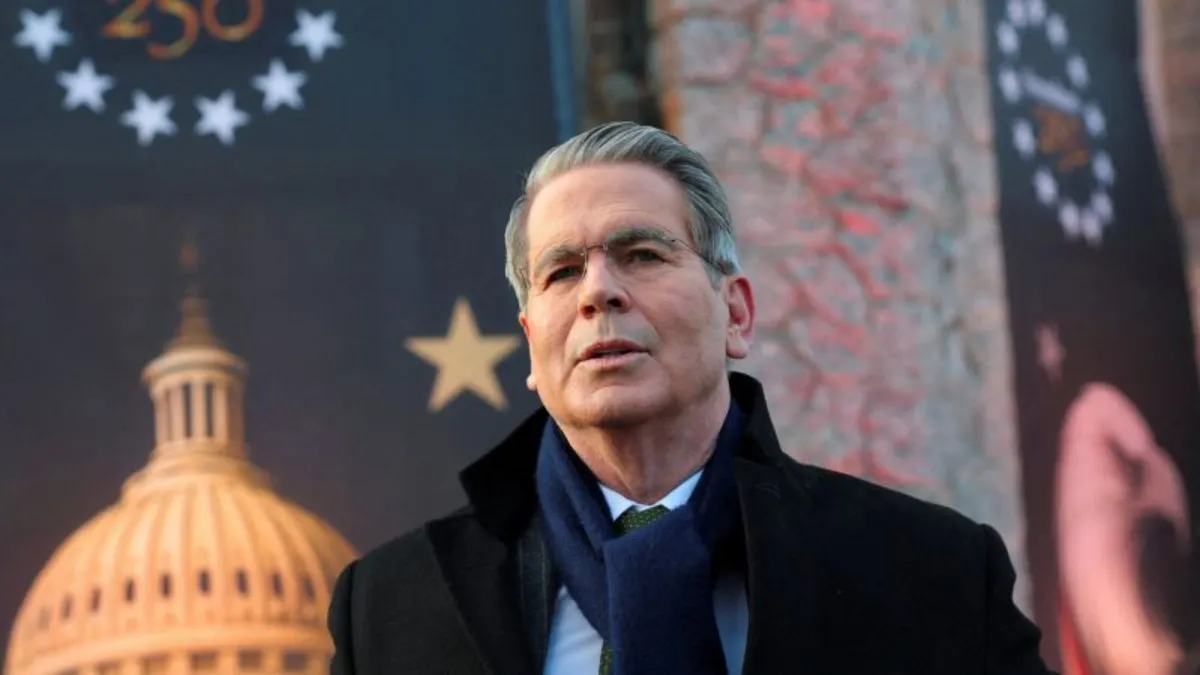
Scott Bessent made waves at Davos, defending Trump's Greenland acquisition push and urging Europe not to panic over tariff threats. His dual role as a Trump ally and Wall Street's voice raises questions about economic stability.
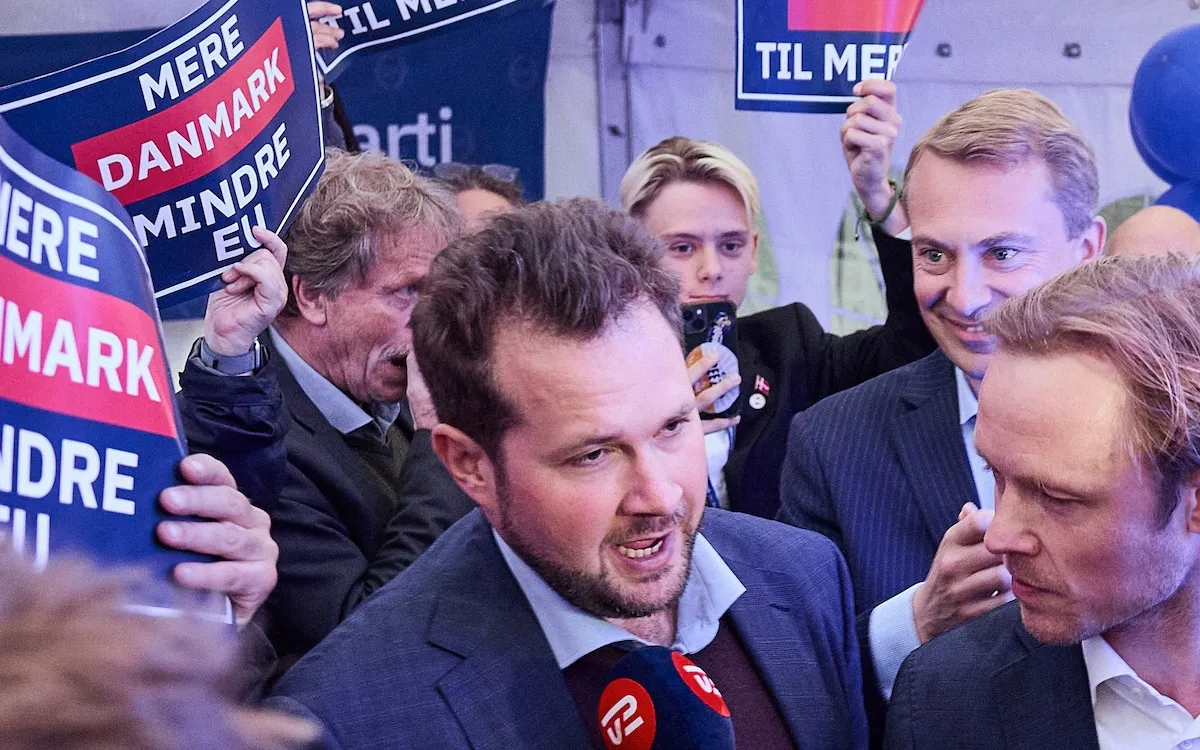
In a surprising turn, foreign leaders and influential figures, including Catholic archbishops and the Federal Reserve chairman, are stepping up to challenge Trump after a year marked by attempts to placate him. This shift in diplomatic tone raises questions about his leadership.
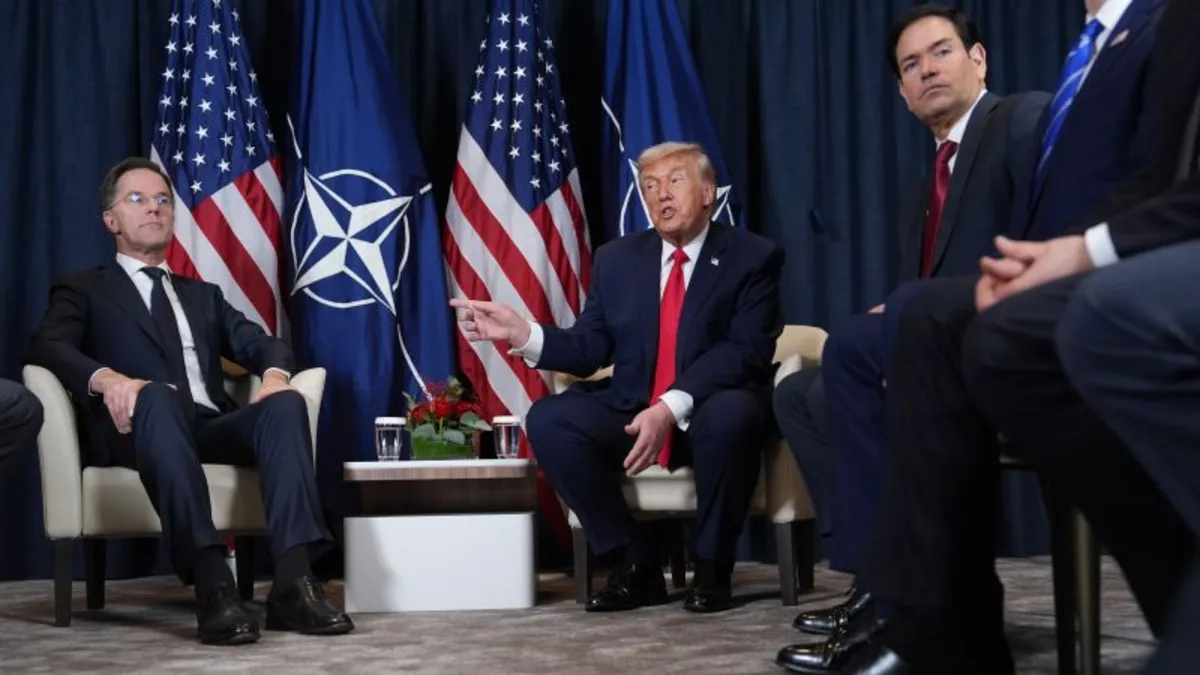
In a dramatic twist at Davos, Trump softens his stance on Greenland, ruling out military action and hinting at a potential deal with NATO's Rutte. Discover how this impacts Europe and NATO relations!
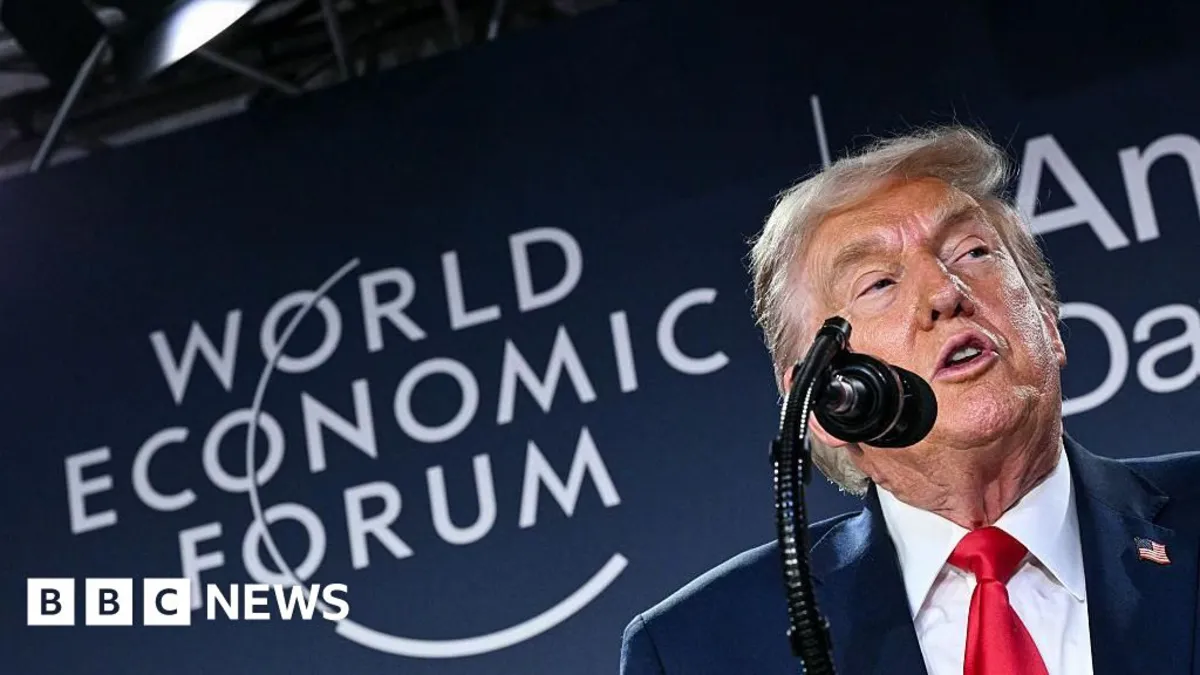
In a provocative speech at the World Economic Forum, Trump claimed Europe is on the wrong path and reiterated his desire for Greenland, causing outrage among European leaders. His comments have sparked a wave of diplomatic tension, leading to an emergency EU summit.
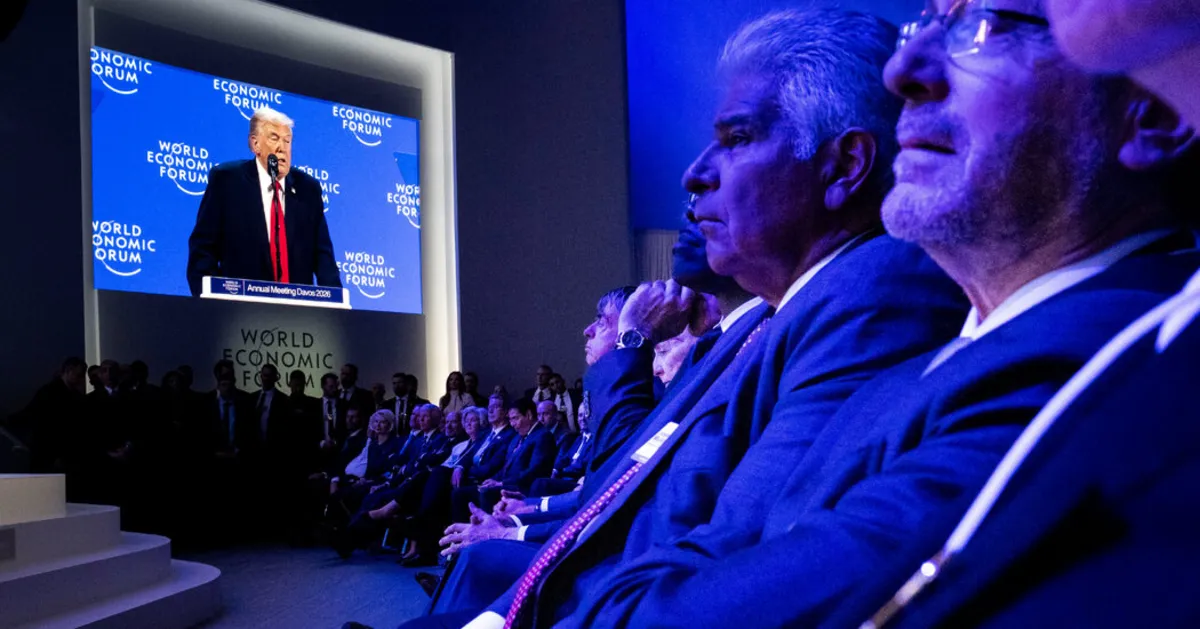
In a controversial speech at Davos, Trump criticized European allies and vowed to continue his trade war, declaring an end to American leadership in the global economic order. His mixed messages have left many questioning the future of globalization.
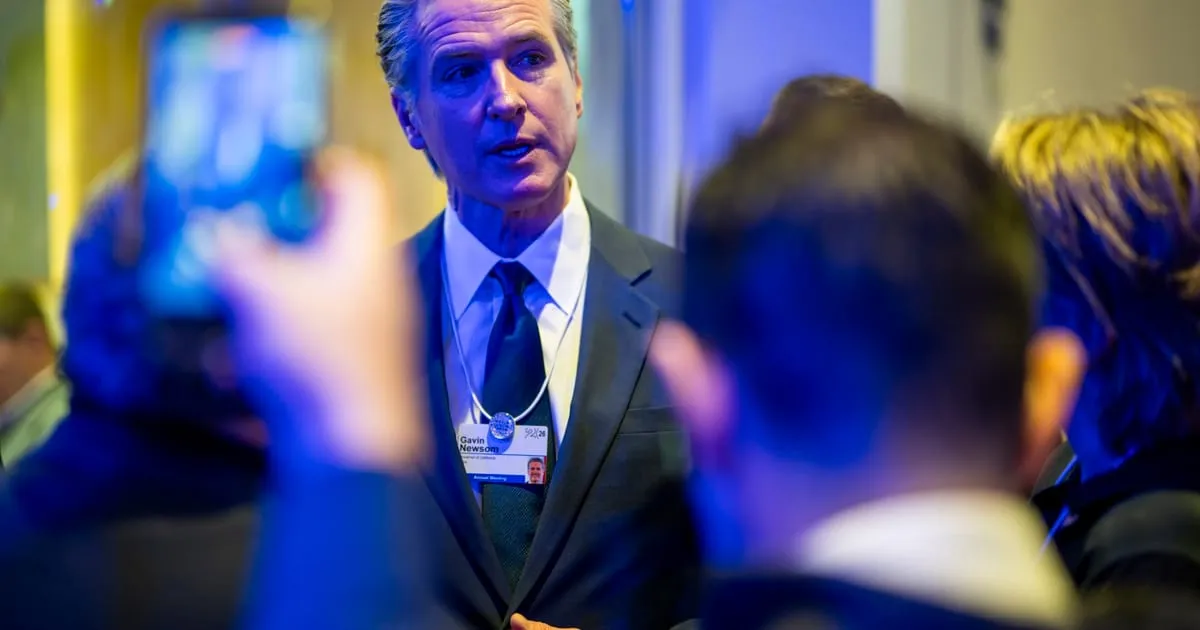
In a candid interview at Davos, California Governor Gavin Newsom speculated that market instability could lead President Trump to soften his aggressive stance on Greenland. Newsom emphasized the impact of economic factors on Trump's decisions, highlighting the tension between U.S. and European relations.
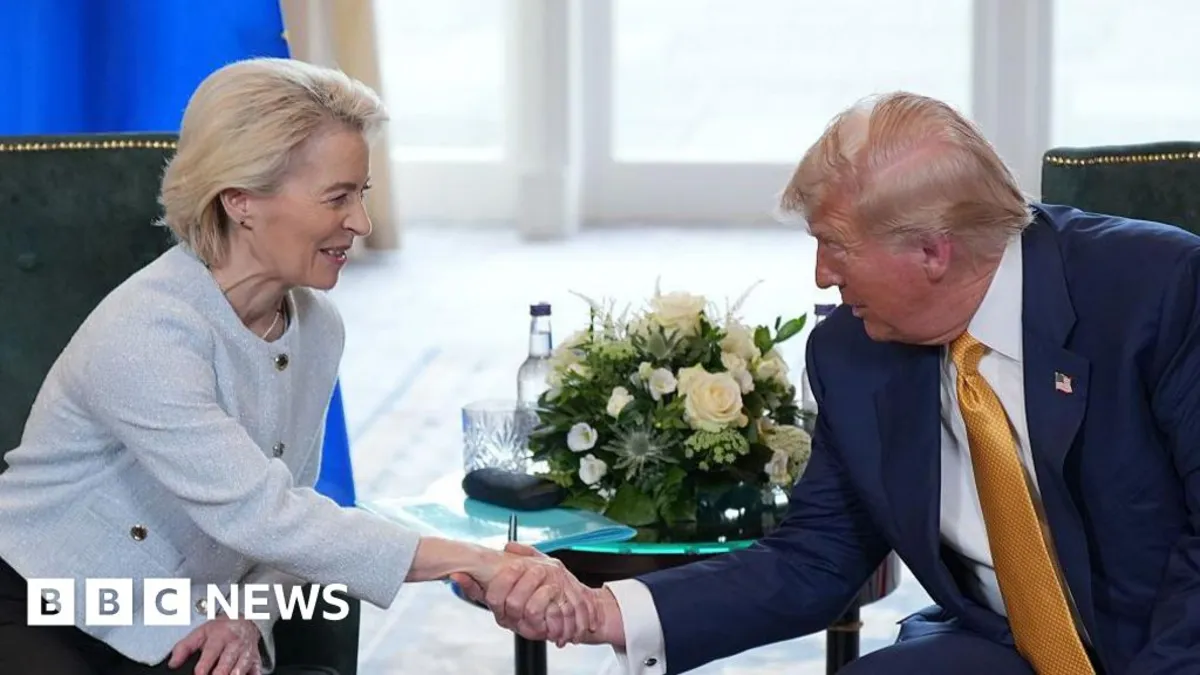
In a dramatic turn of events, the European Parliament has suspended a crucial US trade deal over President Trump's controversial Greenland acquisition demands, igniting fears of a trade war and market instability.
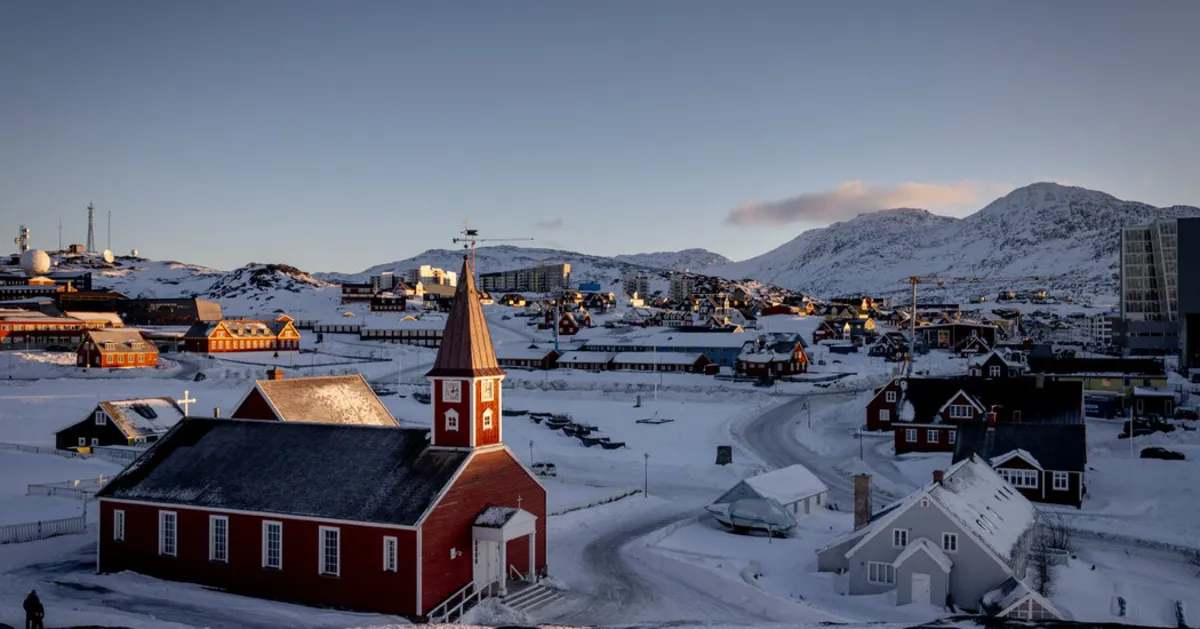
Prime Minister Mette Frederiksen of Denmark is left shocked after Stephen Miller's controversial remarks on Greenland's status. European leaders scramble to respond to the escalating tensions with the U.S.

Preliminary reports suggest that Russian forces may have launched an Oreshnik missile strike on Lviv Oblast. While explosions were reported, Ukrainian officials have not confirmed these claims. As tensions escalate, this incident raises questions about Russia's military strategy.
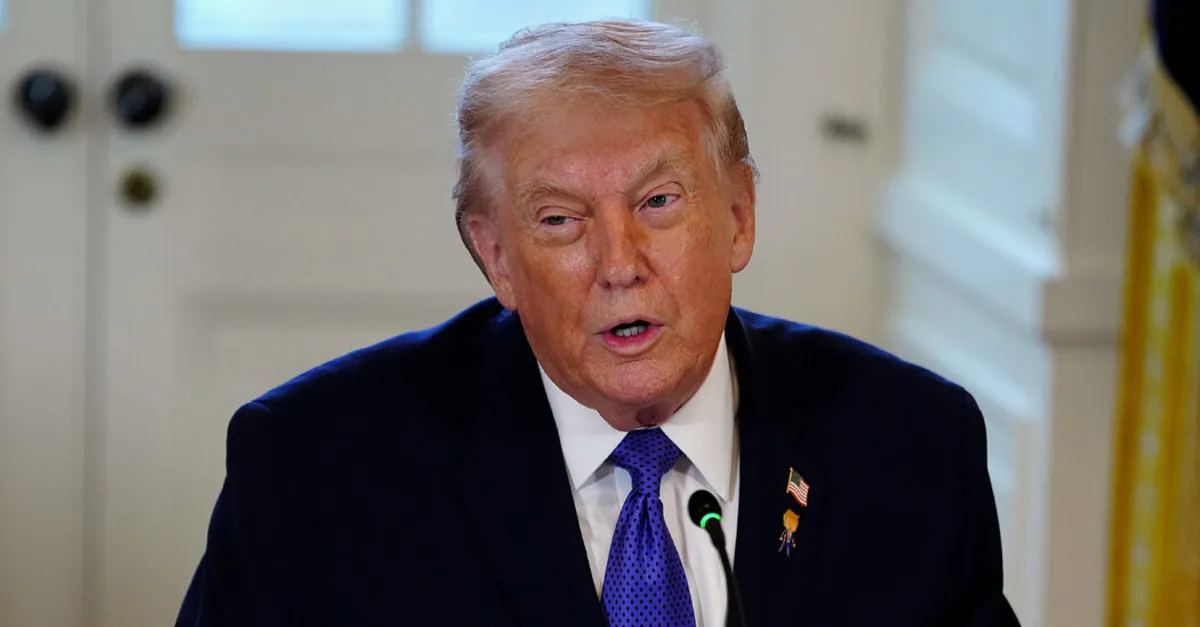
President Trump is calling for $100 billion in investments from major oil companies into Venezuela. While smaller businesses show interest, major players like Exxon and ConocoPhillips remain hesitant. Will they take the plunge?