

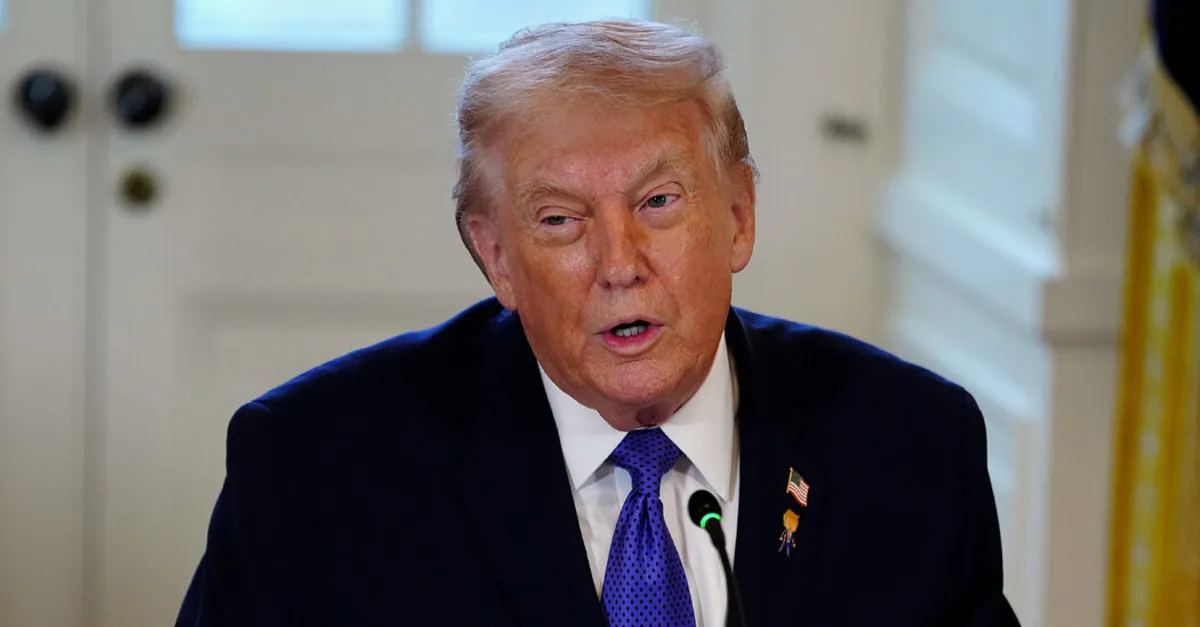
In a bold move to revitalize the Venezuelan oil industry, President Trump has called for a staggering investment of at least $100 billion from major U.S. and European oil companies. This ambitious proposal aims to boost oil production in Venezuela, a country rich in natural resources but struggling under economic sanctions and political turmoil. However, the response from oil executives following their meeting with Trump at the White House on Friday remains uncertain.
While smaller companies have expressed eagerness to establish or expand their operations in Venezuela, the larger oil giants such as Exxon Mobil and ConocoPhillips appear more hesitant. These companies possess the financial resources and technical expertise necessary to significantly increase Venezuela's oil output, yet they have privately conveyed their reluctance to commit substantial capital to the region. This sentiment was echoed during Friday’s discussions, leaving many to question whether the promised investment will materialize.
Despite Mr. Trump's enthusiastic proposal for a $100 billion investment from Big Oil, sources close to the executives present at the meeting indicated that no formal commitment has been made by the companies. This lack of clarity raises doubts about the feasibility of Trump’s ambitious goals for Venezuelan oil production. The White House has yet to provide any clarification on the matter, leaving many in the industry speculating about the next steps.
The challenges faced by Venezuela’s oil industry are numerous. Years of mismanagement, economic sanctions, and a lack of investment have severely hampered production capabilities. Although there is a desire among energy trading and refining businesses to increase the flow of Venezuelan oil to the United States, the path forward remains fraught with obstacles. Executives like Darren Woods, CEO of Exxon, have been particularly candid about these challenges during public discussions.
As the situation develops, the oil industry will be closely watching how the Trump administration navigates these complex dynamics. The potential for a significant influx of capital into Venezuela could reshape the oil landscape, but only if the major players are willing to take the plunge. For now, the future of Venezuela’s oil production hangs in the balance, with both opportunities and uncertainties lying ahead.
In conclusion, President Trump’s call for a $100 billion investment from oil giants aims to breathe new life into Venezuela's beleaguered oil sector. However, the hesitance of major companies to commit capital highlights the complex interplay of economics, politics, and international relations that will ultimately determine the outcome of this initiative.