

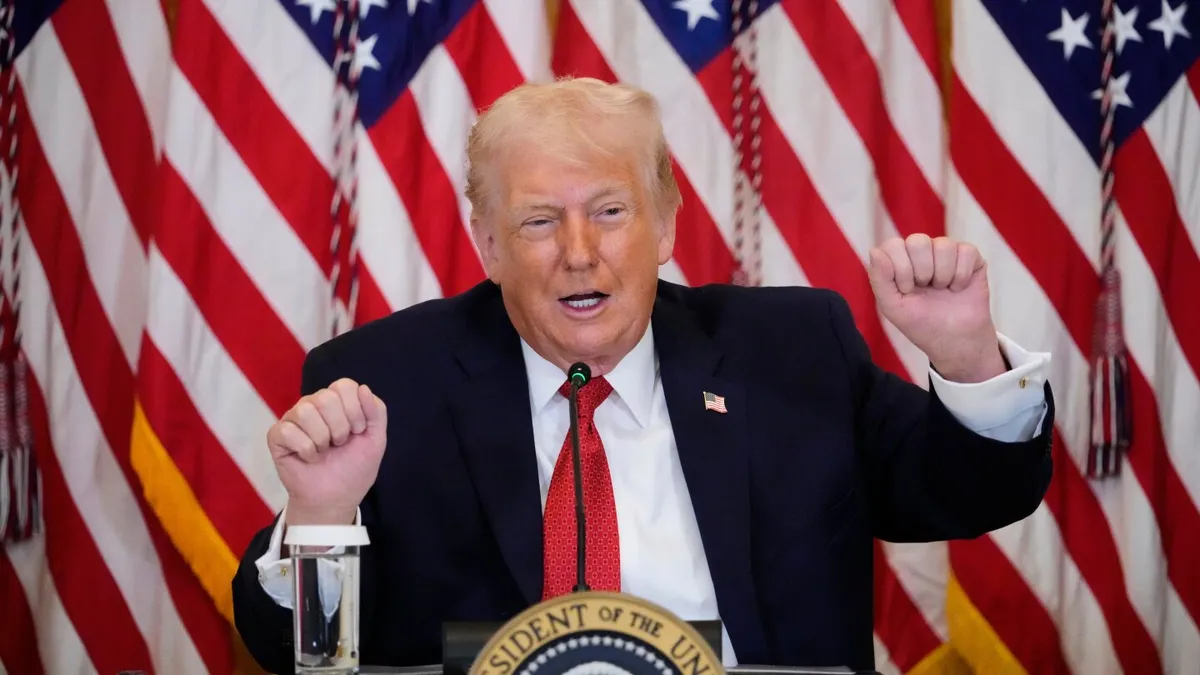
In a controversial move, President Trump suggests applying tariffs on countries that oppose U.S. control of Greenland, igniting tensions with Denmark and raising questions about international diplomacy.
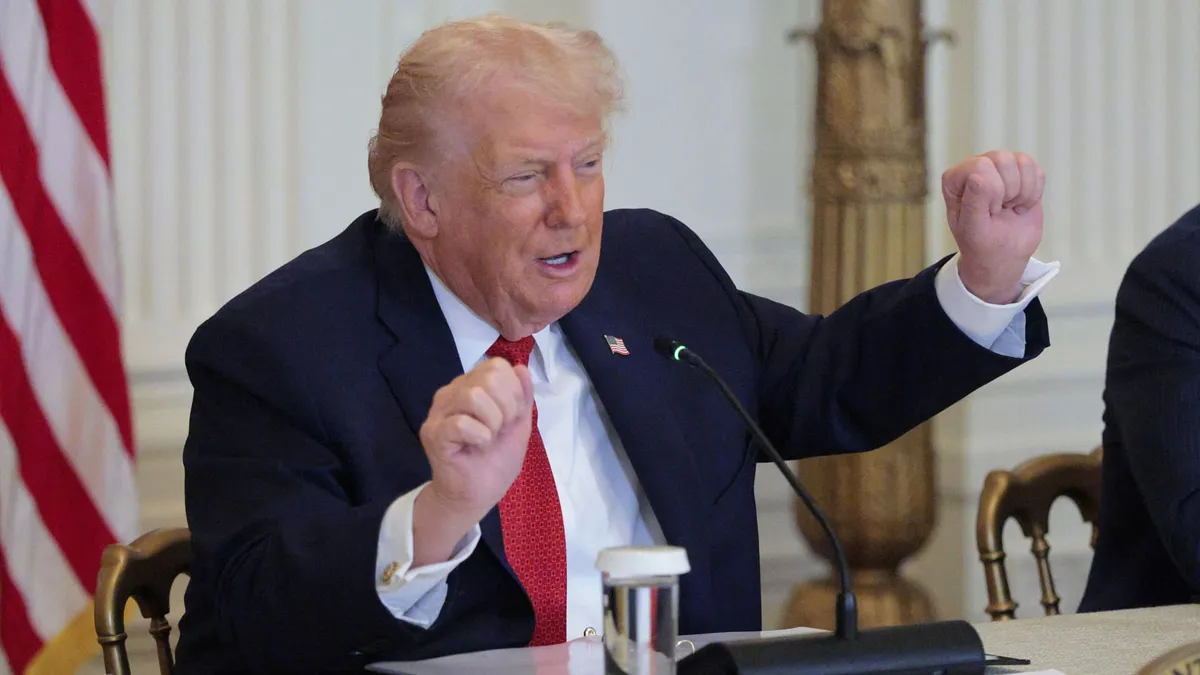
President Trump suggests he may impose tariffs on countries that don't support U.S. claims to Greenland, citing national security concerns. This move reflects his aggressive push to acquire the territory amid ongoing tensions with China and Russia.
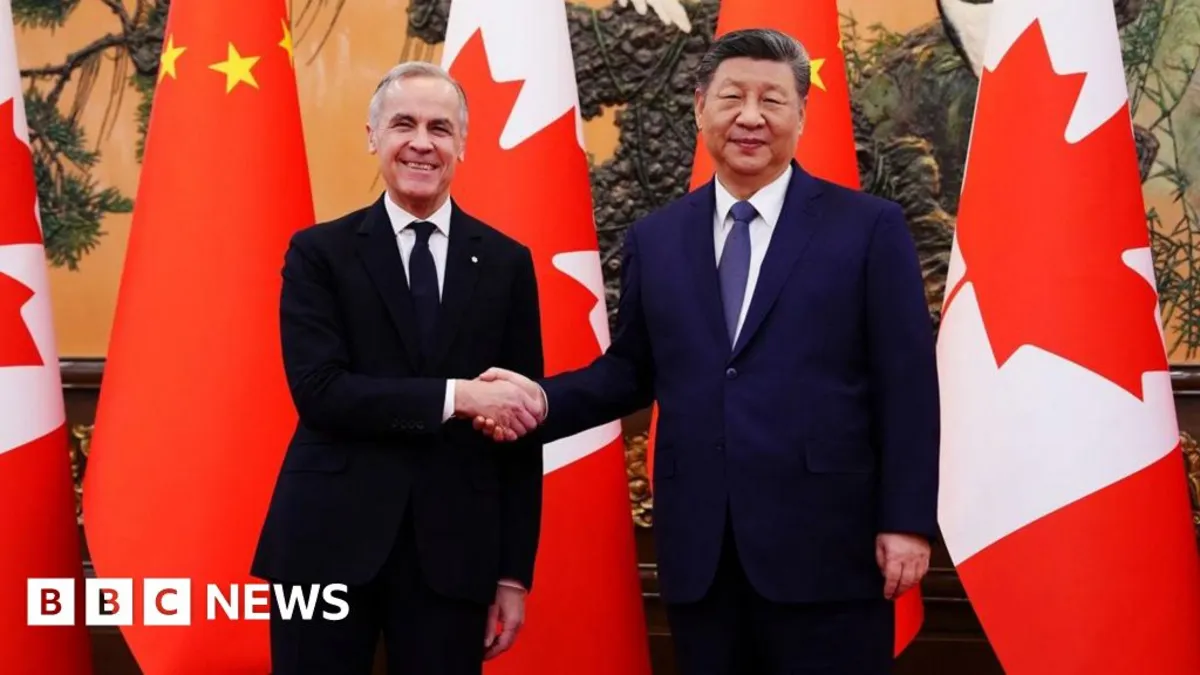
In a groundbreaking meeting, Canadian PM Mark Carney and Chinese leader Xi Jinping announced significant tariff reductions, marking a pivotal shift in their countries' trade relations after years of tension. This deal could reshape Canada's economic future.
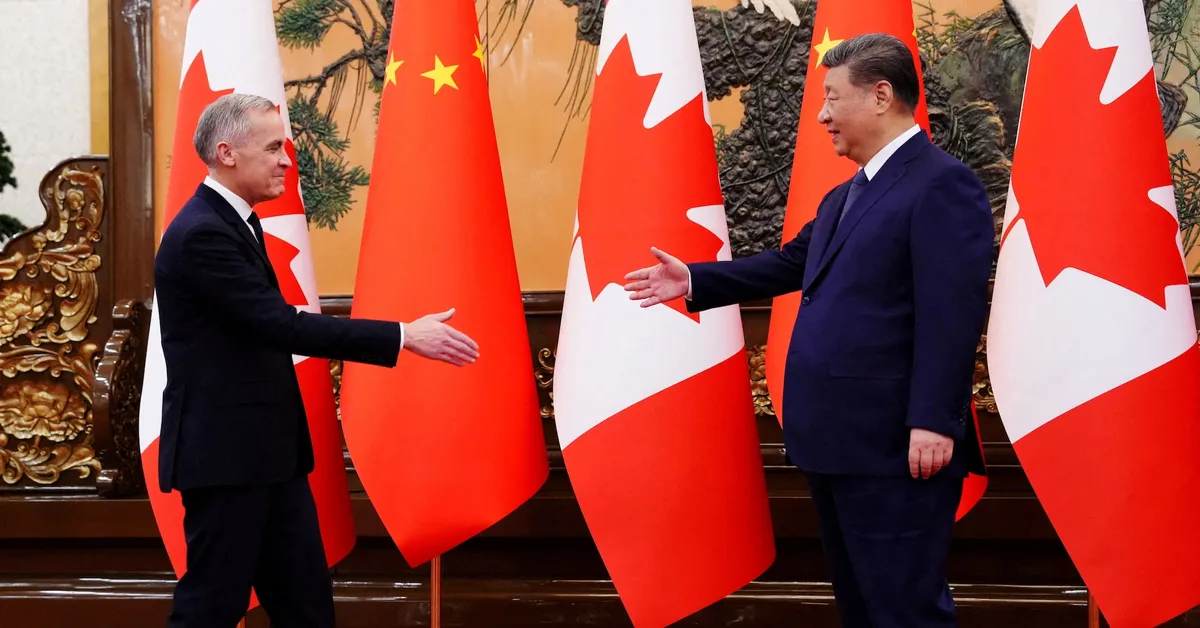
In a groundbreaking visit, Canadian Prime Minister Mark Carney announces a new strategic partnership with China, aiming for historic gains in trade and cooperation amidst ongoing U.S. tensions and tariffs.

Donald Trump made several controversial claims about the economy and inflation in his recent speech. This article fact-checks his statements, revealing discrepancies between his claims and actual data on consumer prices, grocery costs, and more.
President Trump’s first year in office has sparked a remarkable revival in the American auto industry, with record-breaking sales, affordable vehicles for families, and major investments in domestic manufacturing. Discover how his policies are reshaping the automotive landscape!
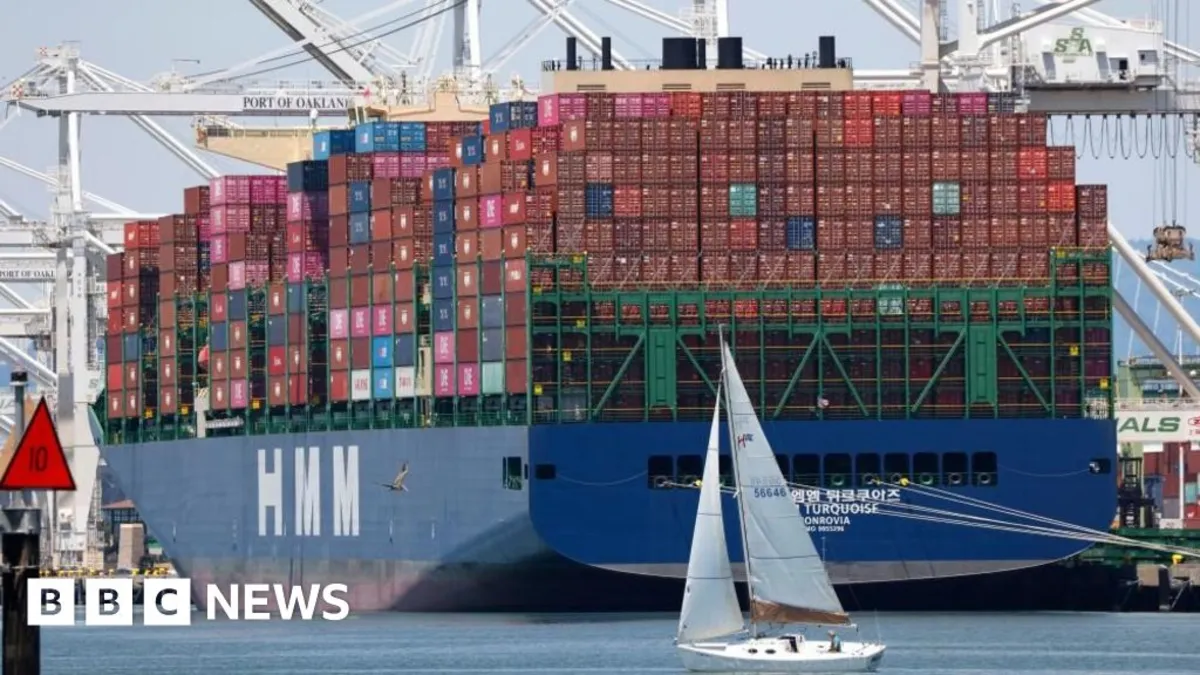
Trump's new 25% tariffs on countries trading with Iran could reshape global trade dynamics, stirring tensions with China and complicating Iran's already struggling economy amidst protests.
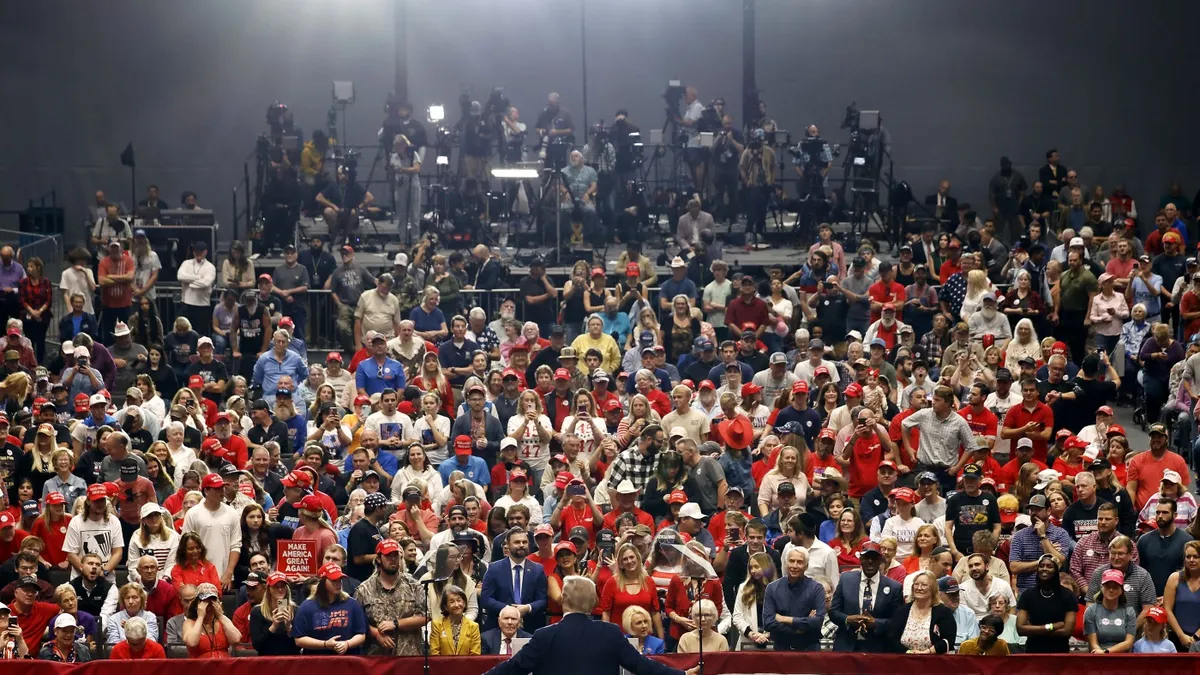
President Trump's upcoming visit to Rocky Mount, N.C., comes as he faces declining approval ratings over his economic policies. With midterm elections approaching, can he regain support in this pivotal state?
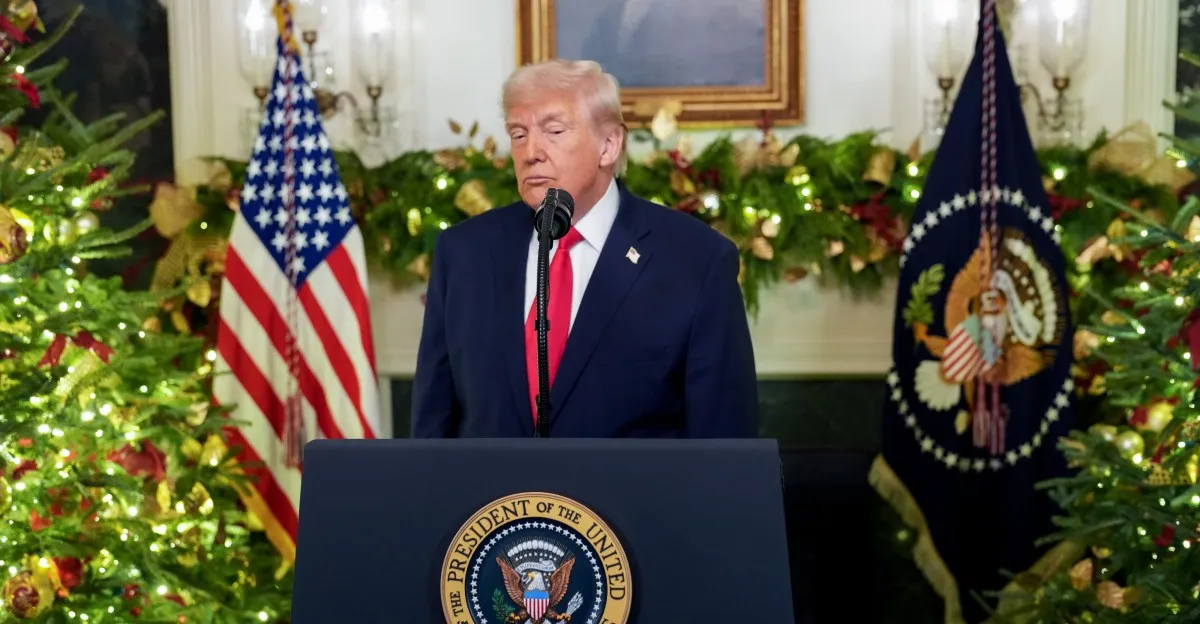
In a bizarre primetime address, President Trump delivered a chaotic speech filled with unrealistic claims, revealing the troubling state of his administration. As polls plummet, is this a sign of his presidency's impending failure?
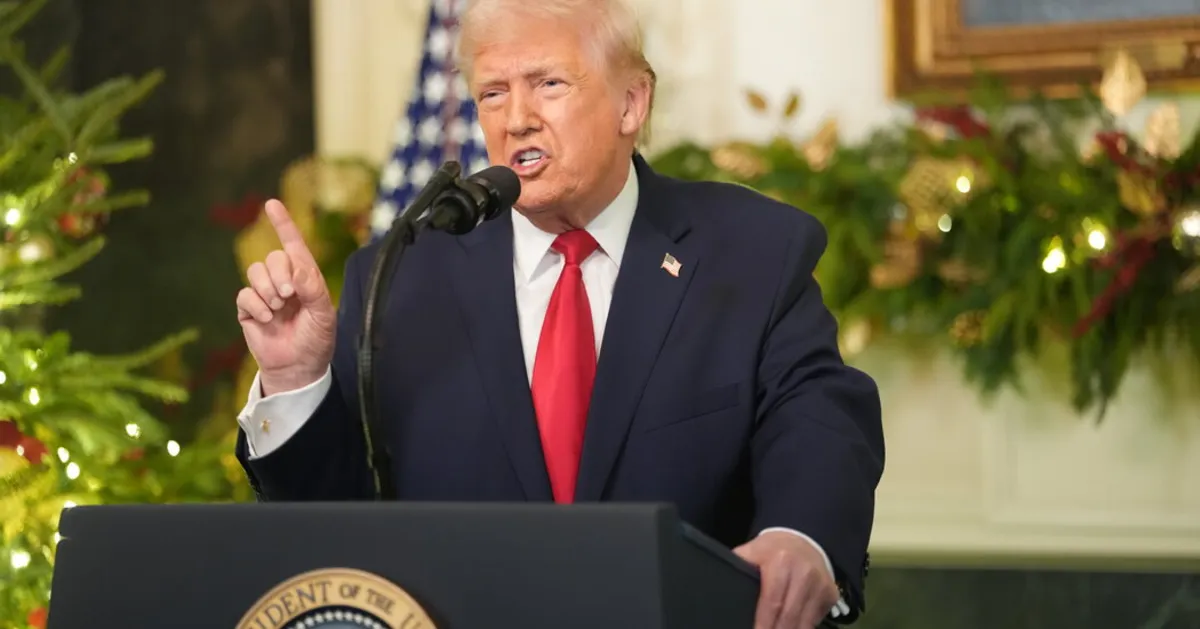
In a bold speech, Trump claims the economy is improving and announces $1,776 checks for military members. Critics say he's out of touch with reality as inflation remains steady.