

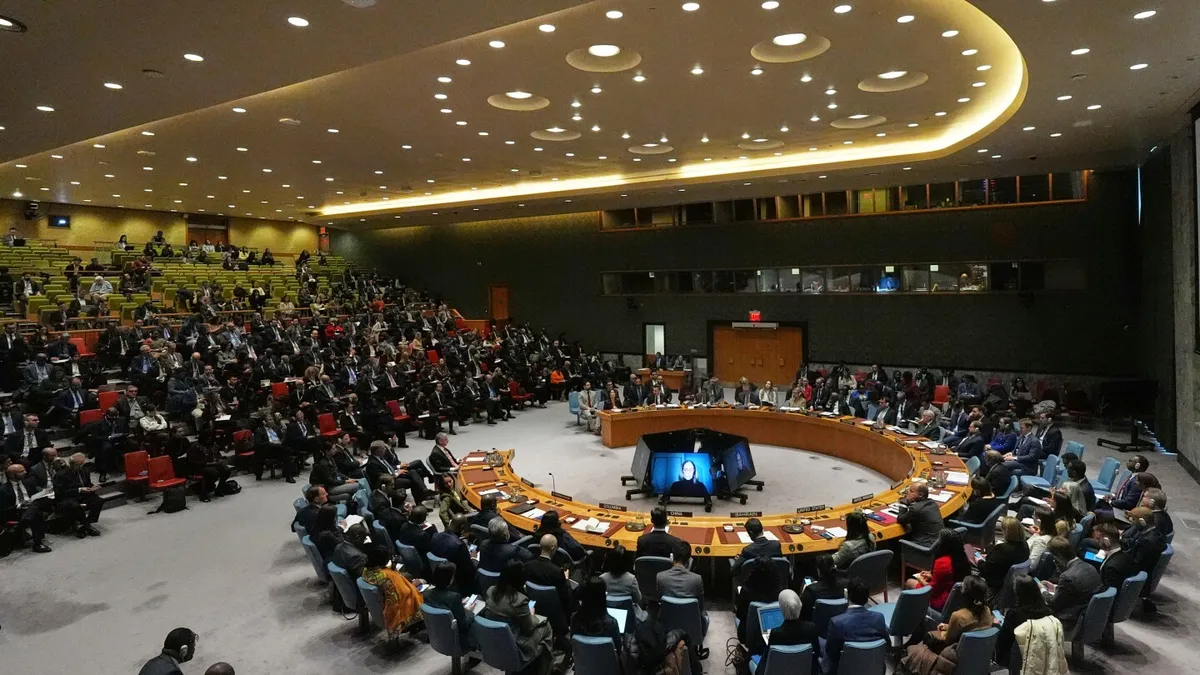
The UN Security Council convened an emergency meeting to oppose the US's military operation that captured Nicolás Maduro, sparking global debates on sovereignty and international law.

Families across the U.S. are facing devastating Medicaid cuts to autism therapy, jeopardizing their children's progress. Aubreigh Osborne's story highlights the urgent need for accessible treatment.

In a shocking move, CBS News Editor-in-Chief Bari Weiss has pulled a planned 60 Minutes segment about alleged abuses at an El Salvador detention center just before its broadcast. Correspondent Sharyn Alfonsi condemned the decision, claiming it reflects political pressure rather than editorial judgment.
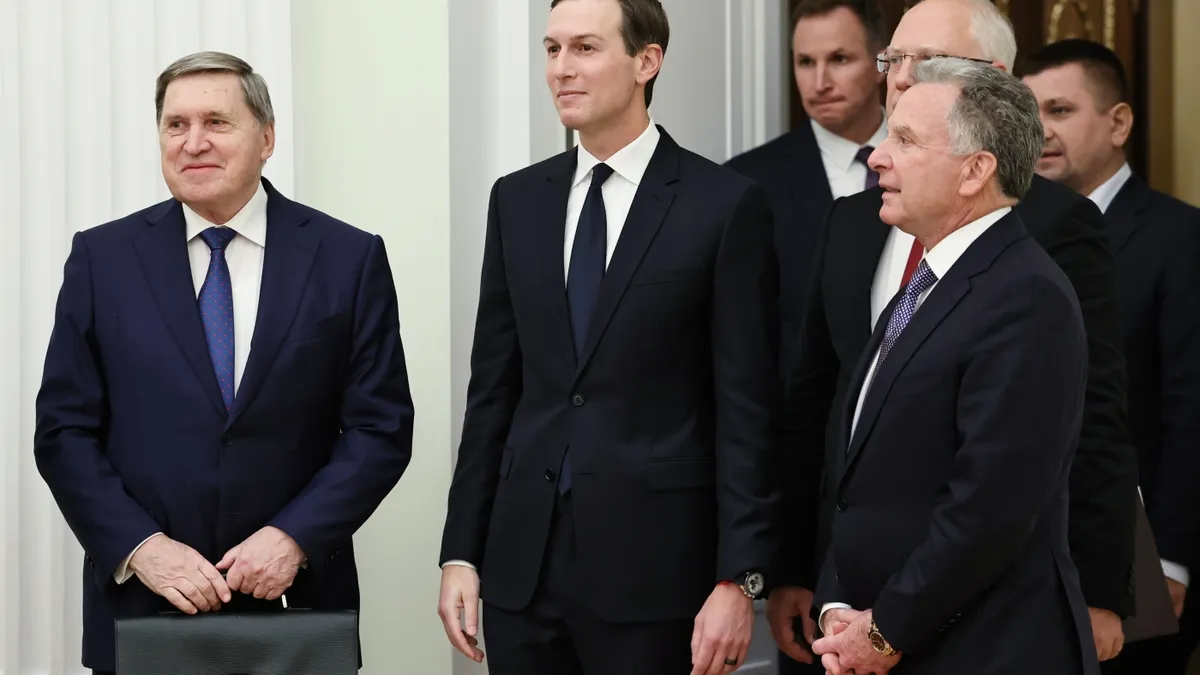
In a significant development, peace talks aimed at resolving the nearly four-year war in Ukraine are progressing in Florida, with key discussions involving U.S. and Russian officials. As tensions remain high, all eyes are on the outcomes of these negotiations.

Indiana state senators are set to vote on a contentious Republican-drawn congressional map, facing pressure from Trump and violent threats against lawmakers. The outcome could reshape the political landscape ahead of the midterms.
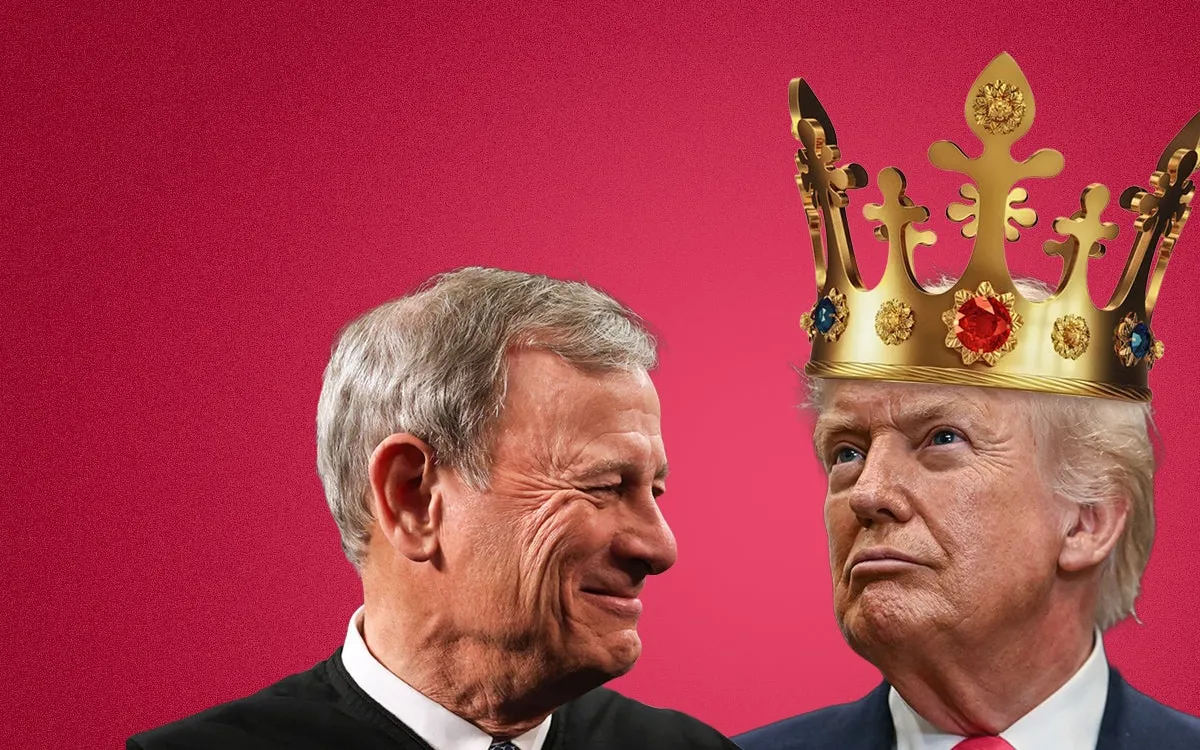
In a pivotal Supreme Court case, Trump seeks unprecedented control over federal agencies. As the justices lean in his favor, the implications for democracy and media are alarming. Will Trump’s ambitions threaten the independence of vital institutions?
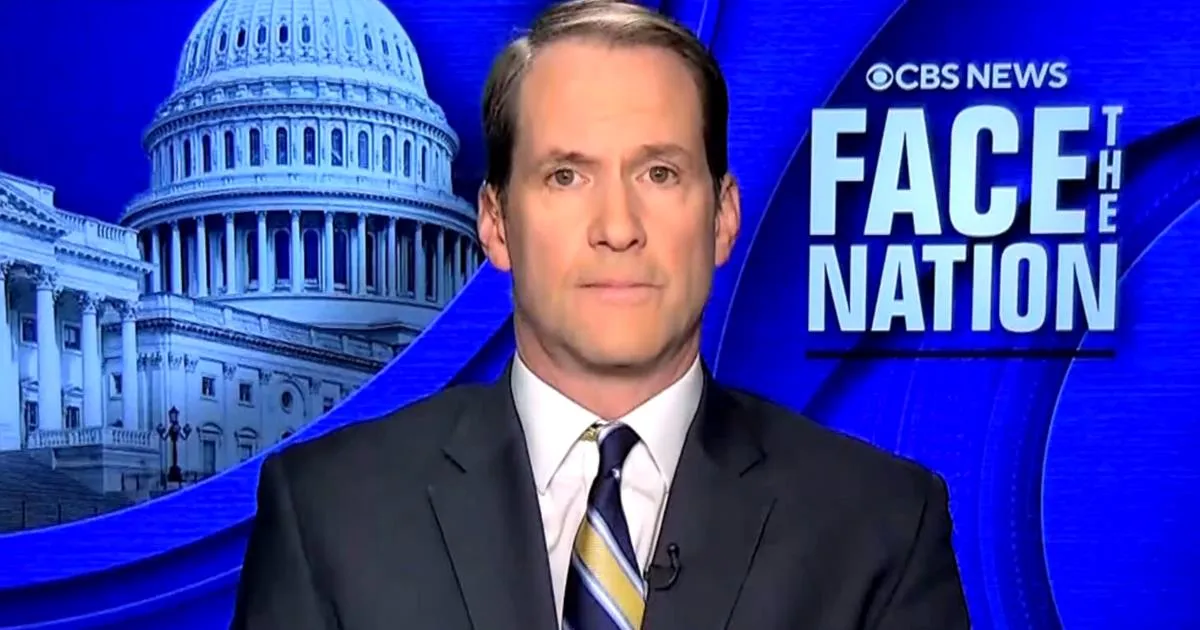
Rep. Jim Himes criticizes Defense Secretary Pete Hegseth over controversial military strikes on drug boats, urging for the release of troubling video evidence. The incident raises serious questions about military conduct and authorization.
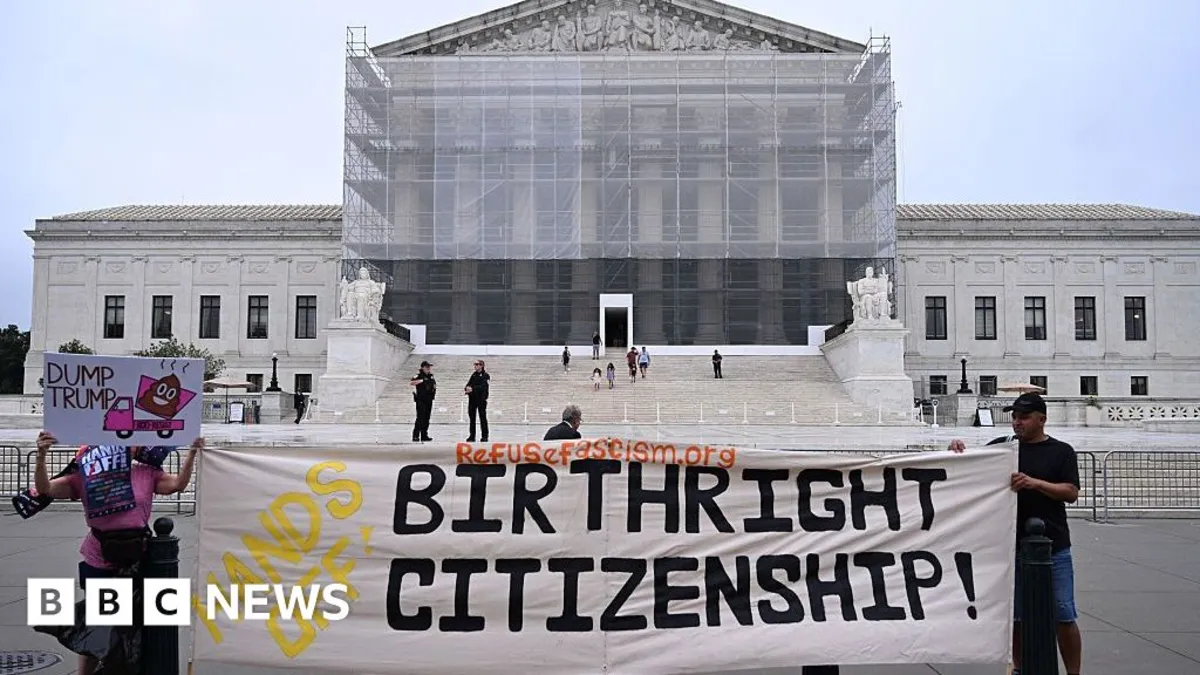
The Supreme Court is set to hear a pivotal case on birthright citizenship, potentially reshaping immigration policy in the US. The outcome may redefine what it means to be an American citizen.

In a swift response to backlash, the U.S. Coast Guard has issued a new policy banning hate symbols like swastikas and nooses, emphasizing its commitment to combat hate and discrimination within its ranks.
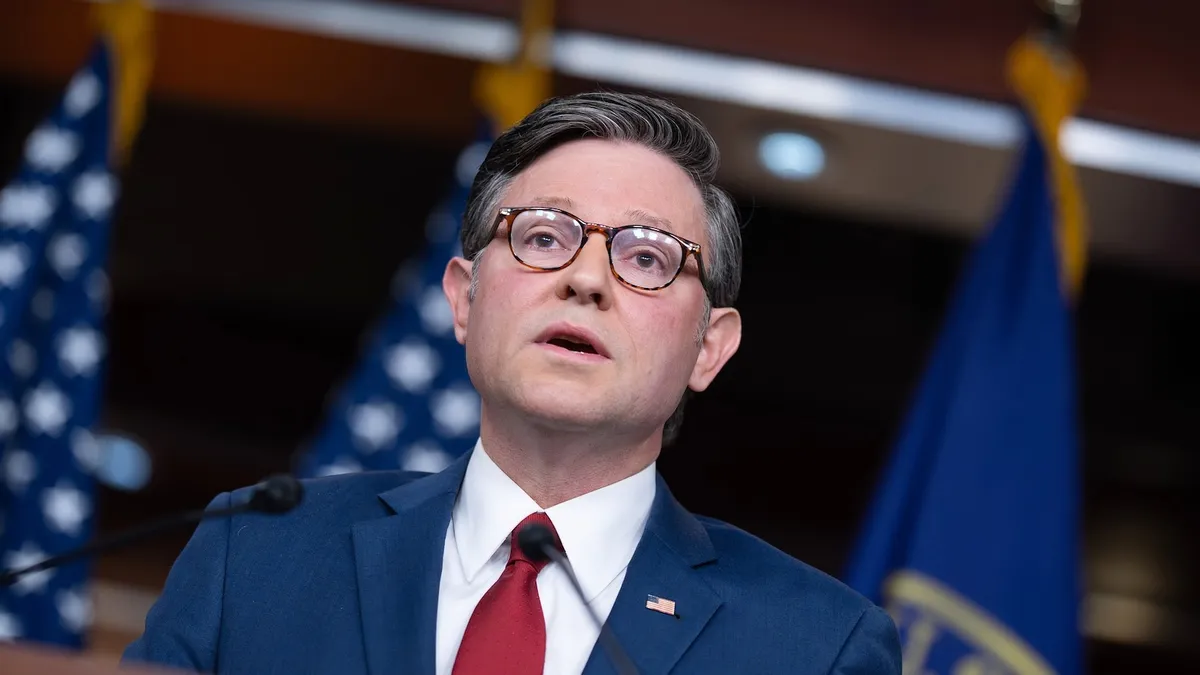
After 54 long days, the House is back in session to vote on Senate-passed legislation that could end the longest government shutdown in U.S. history. With significant funding provisions and political tension, all eyes are on the outcome.