

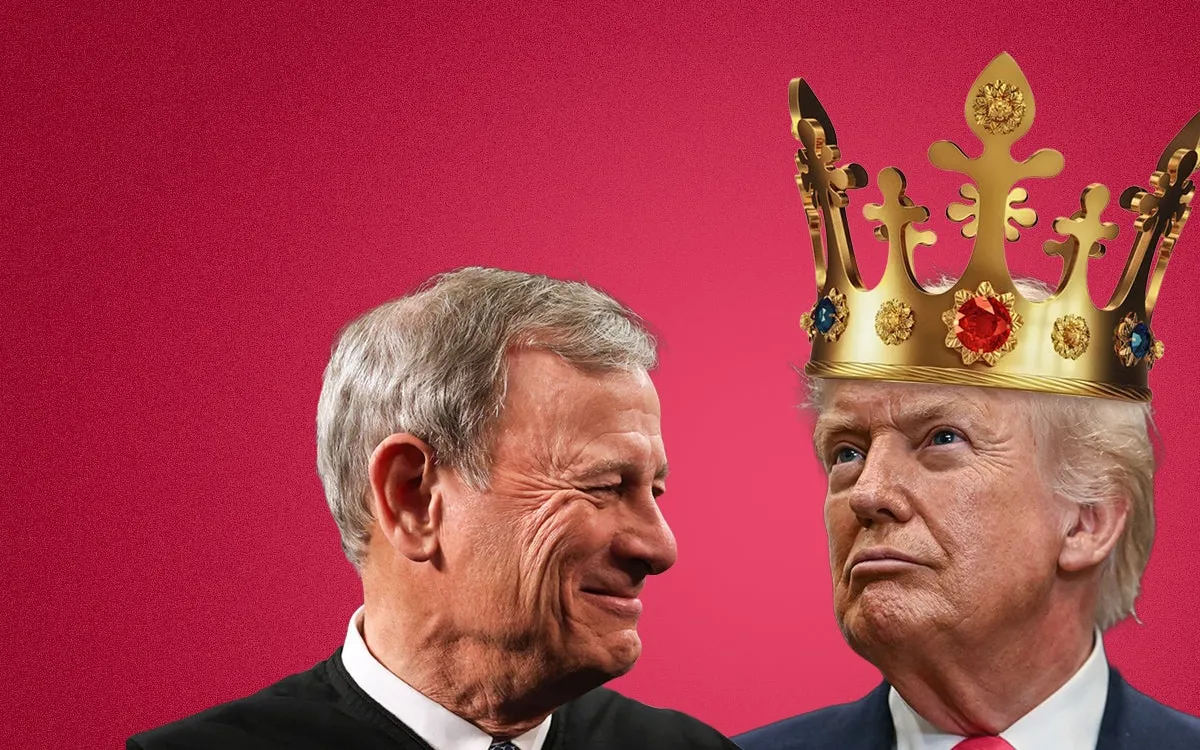
In a pivotal moment for the future of presidential power, the Supreme Court recently heard oral arguments in the landmark case of Trump v. Slaughter. This case poses significant questions about the extent of presidential authority over independent agencies, particularly the Federal Trade Commission (FTC). Just prior to the arguments, Donald Trump took to social media to criticize the coverage of his administration by 60 Minutes, suggesting that the program has deteriorated under its new ownership by Paramount. This outburst raises concerns about the potential ramifications of the case and Trump's influence over regulatory bodies.
Trump's comments came in the wake of news that Paramount was pursuing a merger with Warner Bros. Discovery, a move that could potentially sideline Netflix's acquisition attempts. The FTC has the authority to block such mergers, and with Trump's recent track record, his social media posts suggest a willingness to exert pressure on the agency. If the Supreme Court rules in favor of Trump, it could enable him to manipulate the FTC and other agencies to serve his interests, including silencing critical media outlets like 60 Minutes.
The implications of the Slaughter case are profound. It questions whether the president has the constitutional authority to dismiss FTC commissioners and other agency leaders, thereby undermining the independence that Congress has sought to ensure since the nation's founding. Over the past 150 years, numerous agencies have been granted autonomy from presidential influence to protect them from political pressure. Trump's ambitions represent a significant threat to this framework of checks and balances.
Should the Supreme Court lean towards allowing Trump greater control, the beneficiaries would likely include Trump himself, his loyal Republican allies, corporations that conform to his demands, and media moguls who seek his favor. Conversely, the fallout could adversely affect Congress, the First Amendment, journalists, whistleblowers, and the civil service, ultimately threatening democratic principles.
The Slaughter saga began when Trump unlawfully fired Rebecca Kelly Slaughter, a Democratic FTC commissioner, a move prohibited by law without just cause. This principle was upheld nearly a century ago in the case of Humphrey’s Executor v. U.S.. However, the current Supreme Court allowed Trump's actions to stand with a 6-3 vote, effectively disregarding established legal precedent and opening the door for greater presidential control over independent agencies.
During the oral arguments, it became clear that six justices appointed by Republican presidents were inclined to support Trump's agenda. They appeared ready to endorse a controversial interpretation of the unitary executive theory, which posits that the president has broad authority to dismiss officials who oversee executive power. This theory has been widely criticized and lacks robust historical support, yet the conservative justices seemed undeterred by factual rebuttals. Justice Elena Kagan highlighted this disconnect, noting how the foundational beliefs of the unitary executive theory have been debunked.
The stakes are high: If the Supreme Court grants Trump unchecked power over the FTC, it risks undermining the integrity of federal agencies. Trump has already taken steps to manipulate other agencies, such as the National Labor Relations Board and the Federal Communications Commission, often sidelining dissenting voices. This trend toward authoritarian control poses significant threats to democracy and civil liberties.
The Trump v. Slaughter case is more than just a legal battle; it represents a critical juncture for American governance. As the Supreme Court deliberates, the potential for increased presidential control over independent agencies looms large, threatening to reshape the balance of power in profound ways. The outcome will not only affect the regulatory landscape but could also redefine the relationship between the presidency and independent oversight bodies, ultimately impacting the very fabric of democratic accountability.