

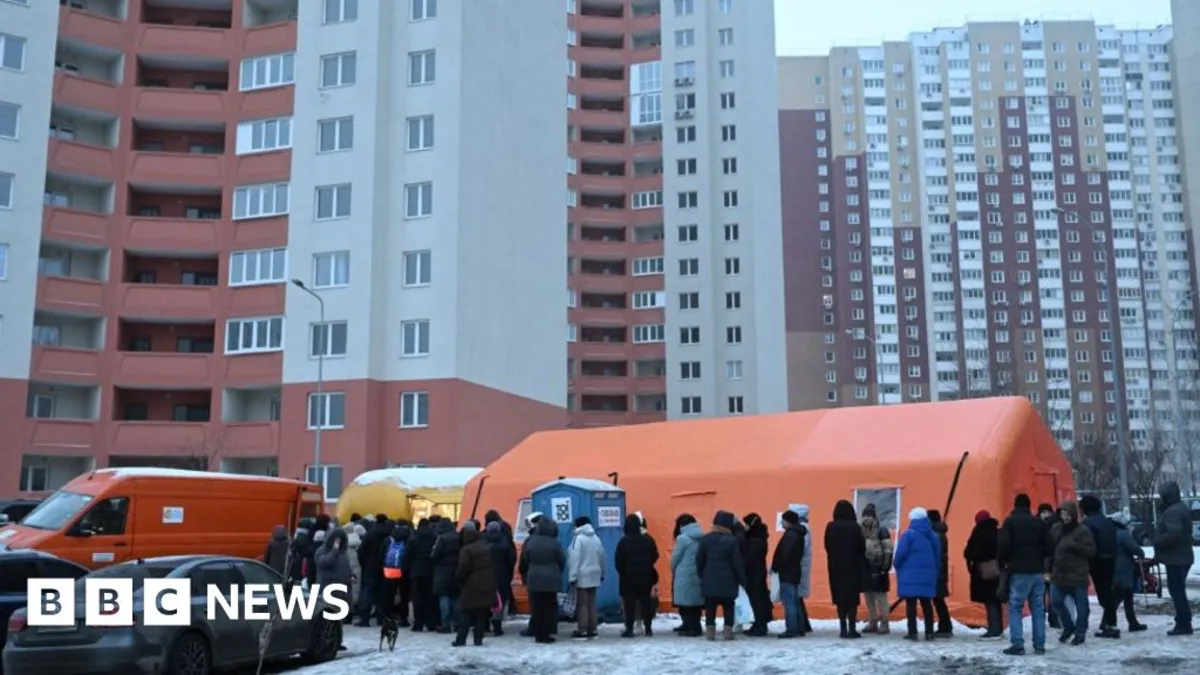
As Ukraine endures its toughest winter with temperatures plunging and Russian strikes crippling heating infrastructure, millions face a grim reality of freezing homes and uncertainty. Residents are left guessing daily whether they'll have heat, water, or electricity amid ongoing assaults.
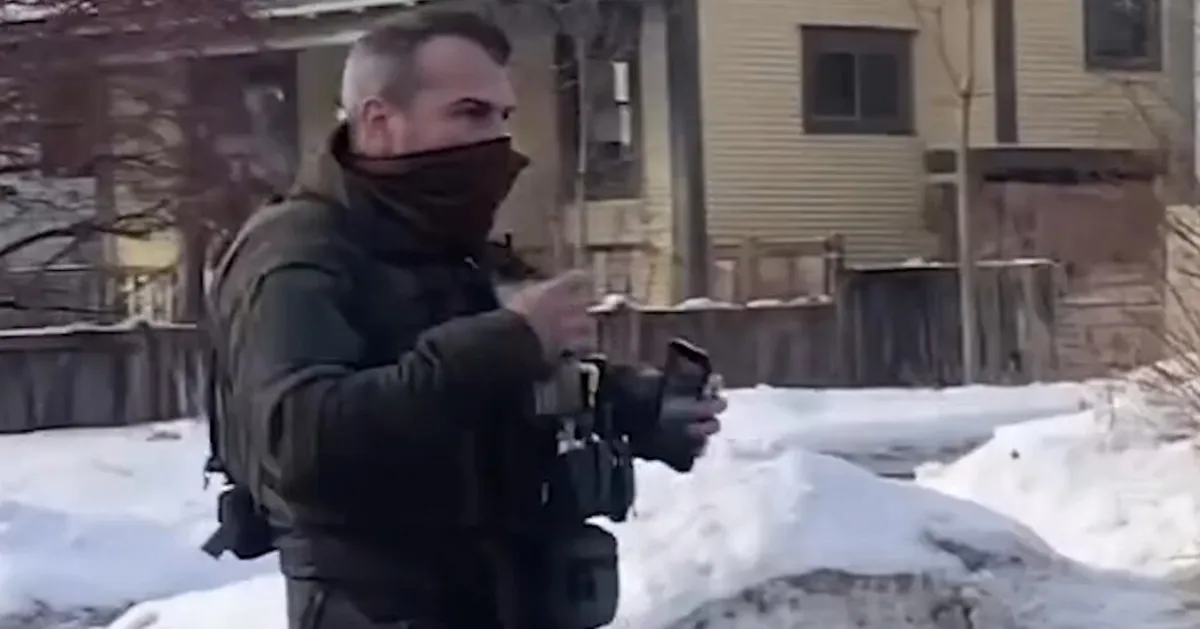
Jonathan Ross, an Iraq War veteran, reveals the stark realities of his deployment and his current role as an immigration agent in Minnesota, highlighting the complexities of military and immigration policies.
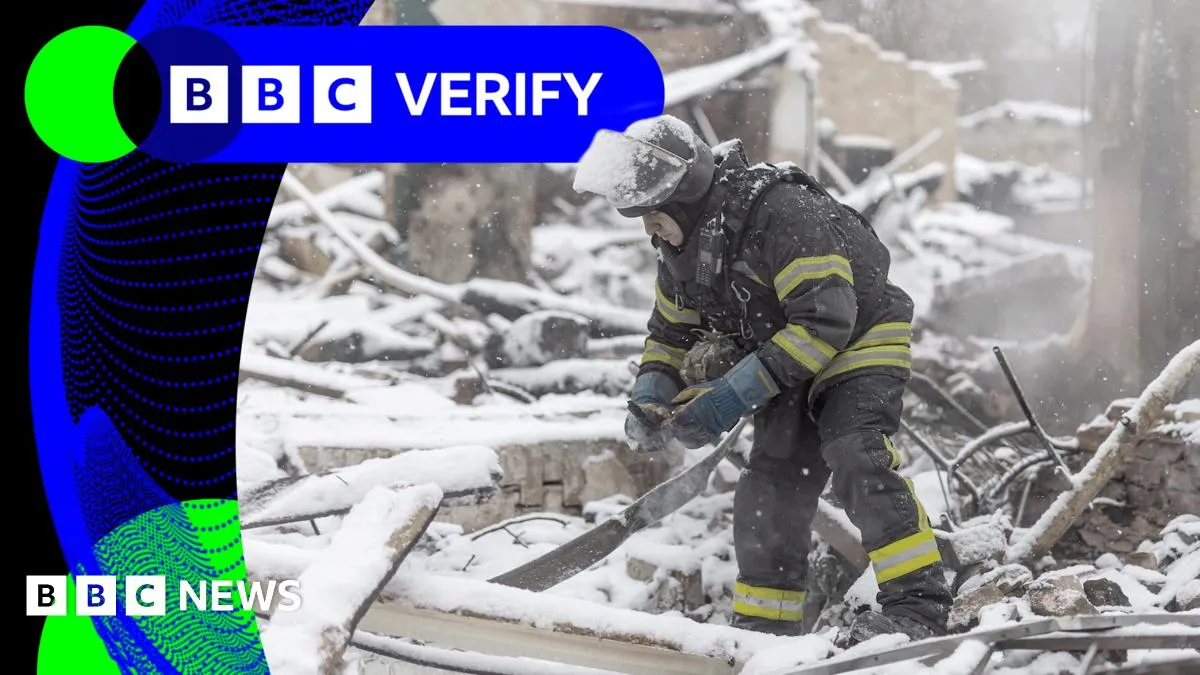
Robert Jenrick claims that 93% of crimes in Britain are unsolved, but is this statistic accurate? We delve into the latest crime data to uncover the truth behind his alarming statement.

Elon Musk's Grok AI tool is implementing new restrictions to prevent editing photos of real people in revealing clothing, amid growing concerns over sexualized deepfakes and legal scrutiny from California.
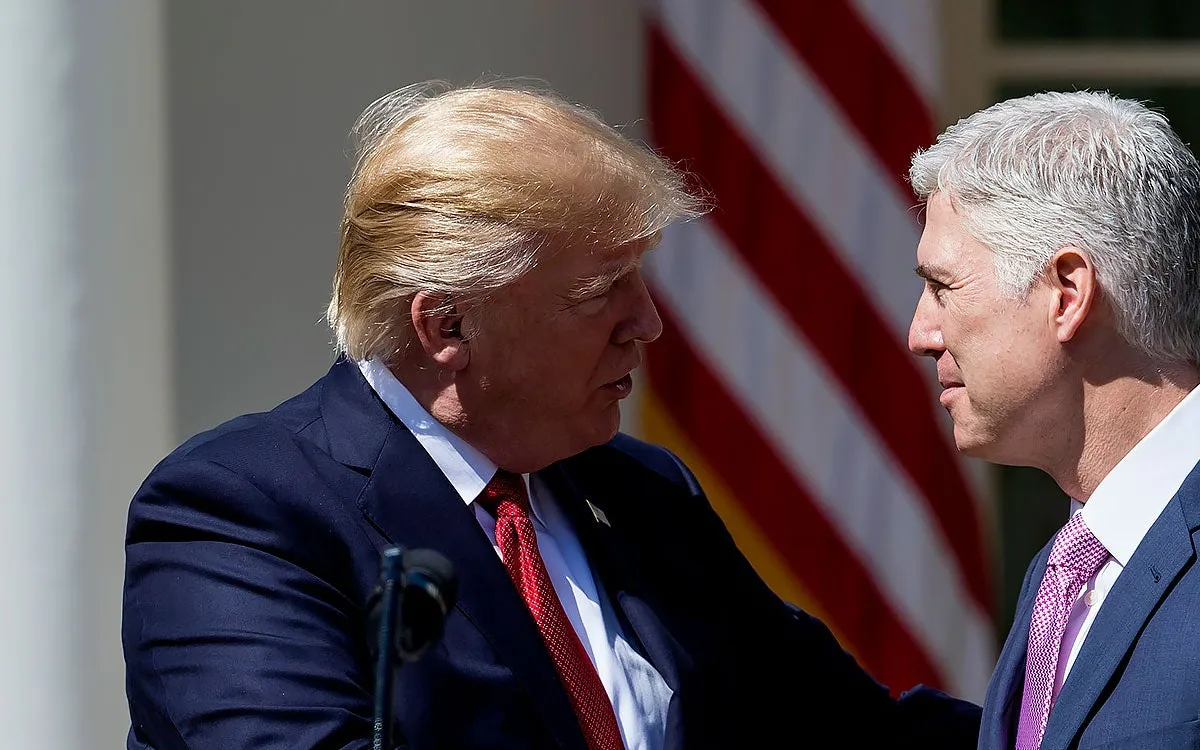
The Supreme Court's recent arguments in cases banning trans women from sports raise fears of a retreat from the landmark Bostock decision, signaling a troubling shift in trans rights protections under conservative influence.
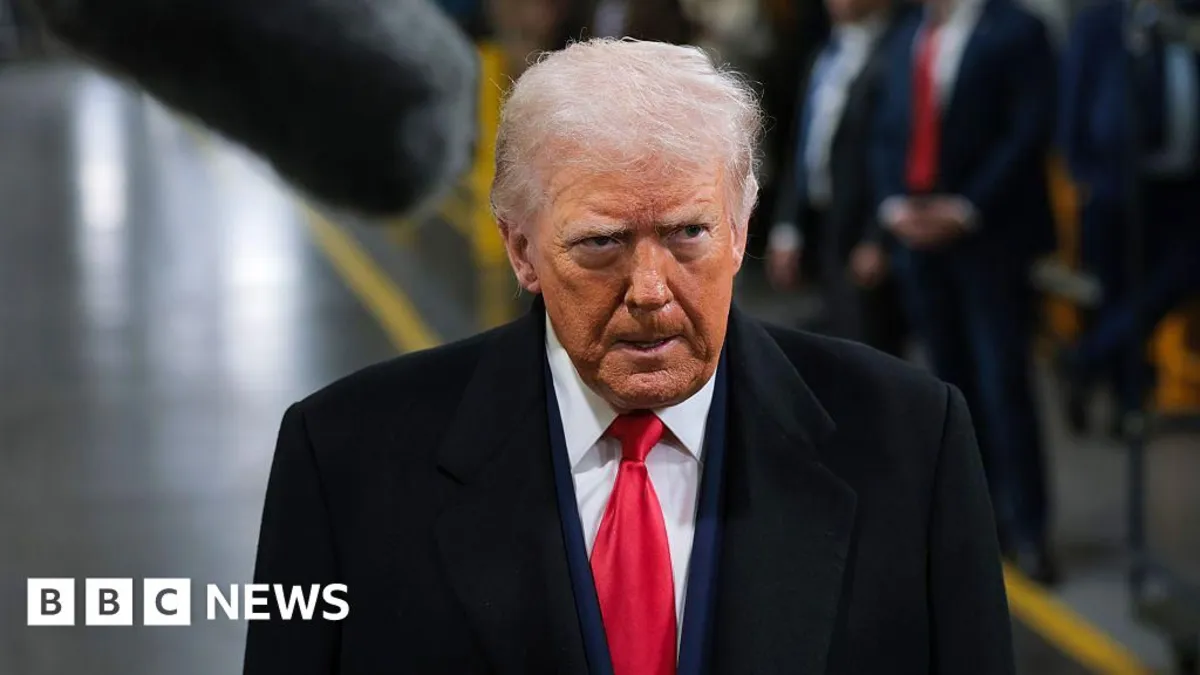
In a heated moment at a Ford factory, President Trump responded to a heckler with an offensive gesture, leading to backlash and a suspension for the heckler. The White House defended Trump's reaction amid ongoing scrutiny of his ties to Jeffrey Epstein.
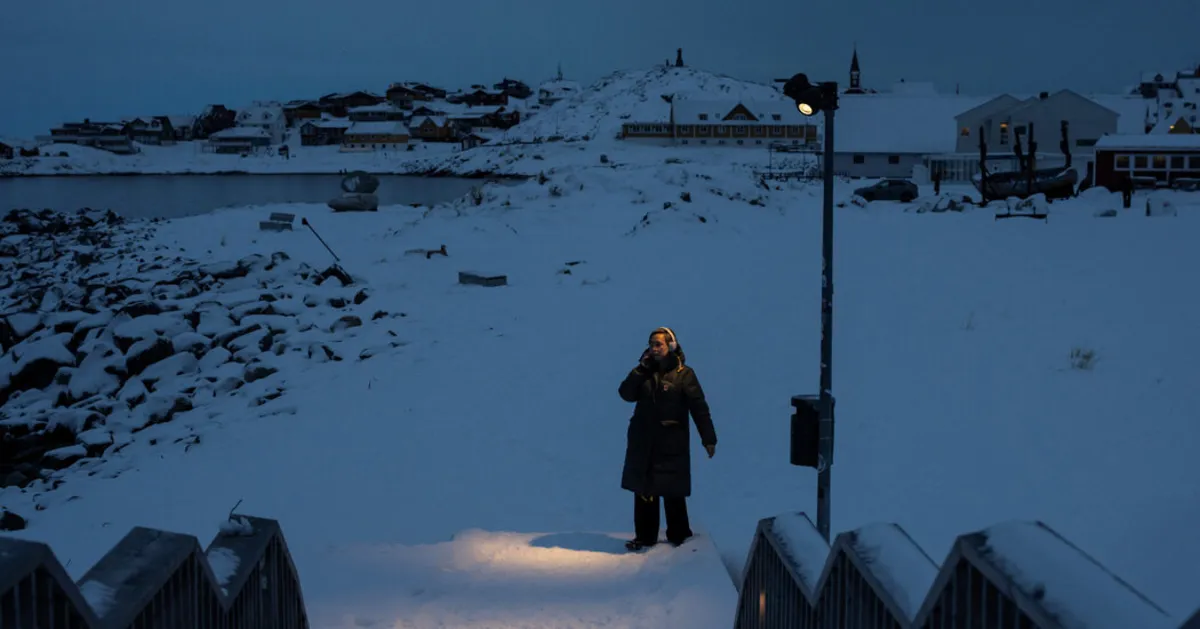
As President Trump toys with the idea of buying Greenland, the island's leaders express outrage and fear. Pipaluk Lynge, a top official, emphasizes their autonomy and the importance of Greenlandic voices in shaping their future.
The Trump administration unveils groundbreaking Dietary Guidelines for Americans 2025-2030, urging a shift to real foods and a drastic reduction in processed options to combat obesity and chronic diseases.
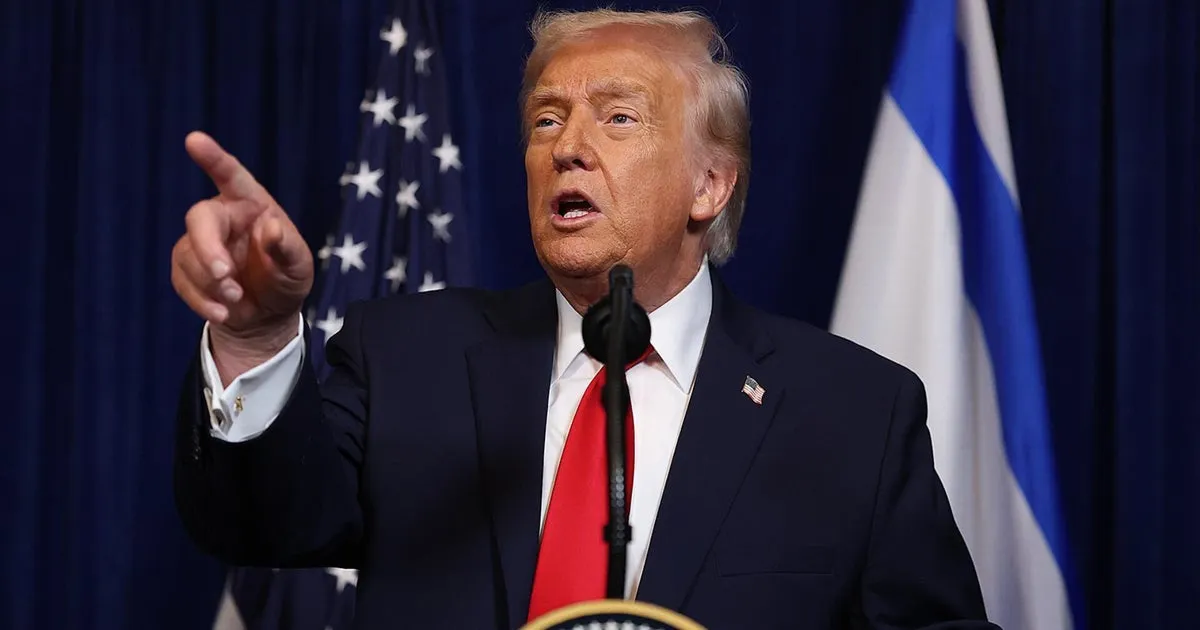
President Trump announces the capture of Nicolás Maduro, igniting debates over U.S. companies' claims to Venezuelan oil assets. What does this mean for the future of the oil industry?
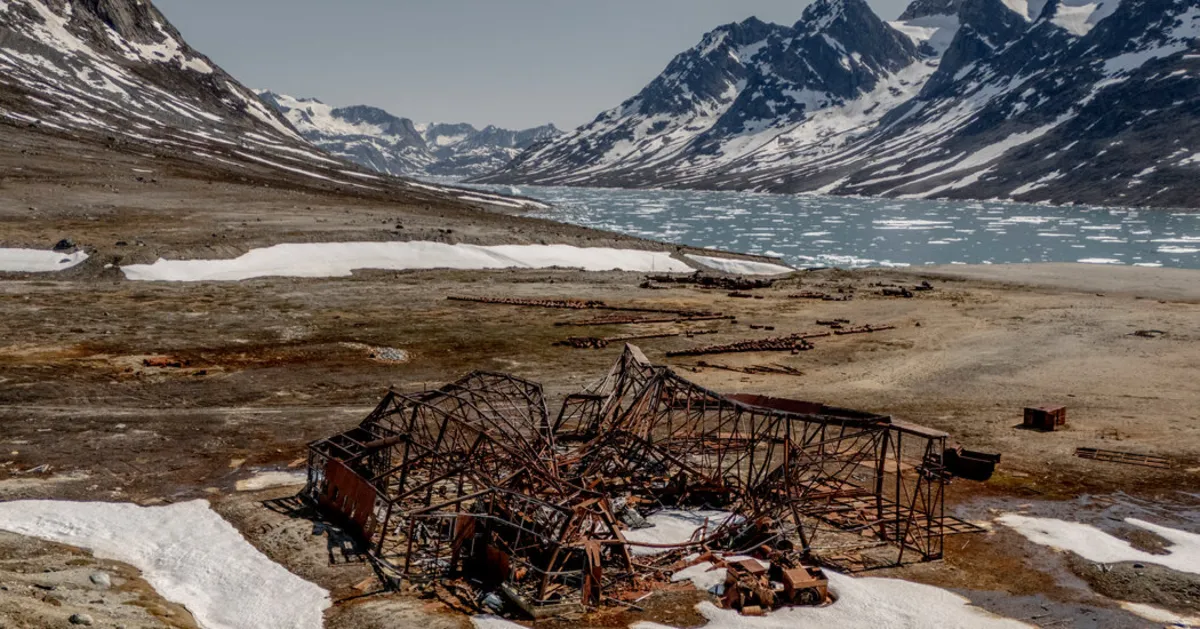
President Trump's fixation on Greenland raises eyebrows as he suggests the U.S. could buy the island for national security. With existing military access under a Cold War agreement, what does this really mean for the U.S. and its Arctic strategy?