

President Donald Trump has recently drawn attention for his critical comments regarding Denmark's dog sled teams operating in Greenland. His remarks come amidst concerns over Chinese and Russian ships reportedly navigating near the island's coast. This fixation on Greenland suggests a deeper interest, with some officials indicating that Trump is contemplating the acquisition of this vast, ice-covered territory. One official even hinted at the possibility of the United States simply taking control of the island.
Just days ago, Trump emphasized the strategic importance of Greenland by stating, "We need Greenland from the standpoint of national security." This raises an important question: Is it necessary for the United States to purchase Greenland or pursue more aggressive measures to achieve Trump's ambitious objectives?
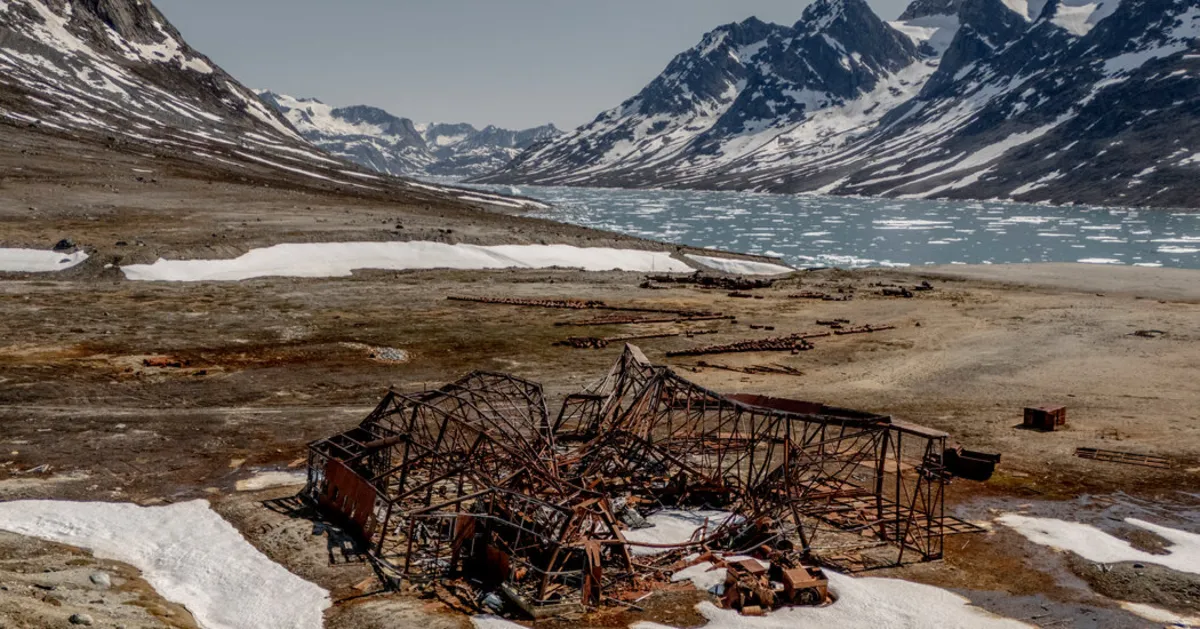
Interestingly, under a lesser-known Cold War agreement, the United States already possesses significant military access in Greenland. Currently, the U.S. operates from one base located in a remote area of the island. However, the 1951 agreement permits the U.S. to "construct, install, maintain, and operate" military bases throughout Greenland. This includes the ability to "house personnel" and manage all aspects of aircraft and naval operations such as landings, takeoffs, and movements of ships and watercraft.
This agreement was signed between the United States and Denmark, which has governed Greenland for over 300 years. Mikkel Runge Olesen, a researcher at the Danish Institute for International Studies in Copenhagen, noted, "The U.S. has such a free hand in Greenland that it can pretty much do what it wants." This raises questions about the necessity of further actions, such as purchasing the island, when the U.S. already has extensive rights.
As discussions continue regarding President Trump's intentions towards Greenland, it's essential to consider the implications of existing agreements and the historical relationship between the United States and Denmark. The prospect of acquiring Greenland might not be as pressing as it seems, given the current military access already in place.