


President Trump has announced the formation of the National Committee for the Administration of Gaza, led by Dr. Ali Sha’ath, marking a critical step in the 20-point peace plan aimed at stabilizing the region.
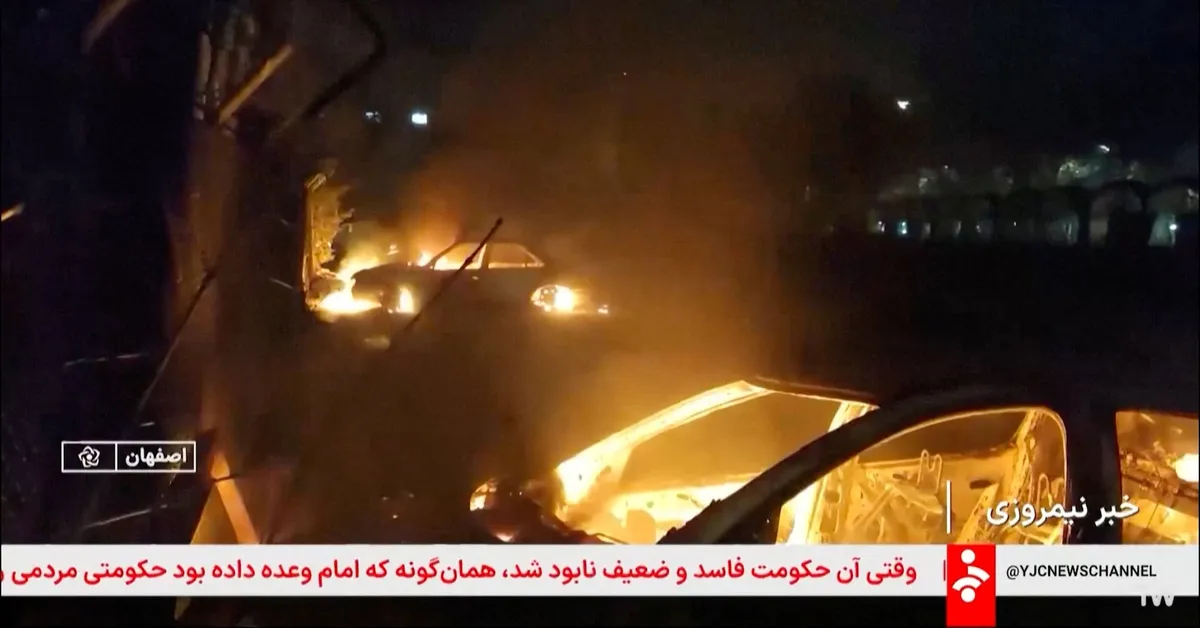
As tensions escalate, Iran warns neighboring countries hosting U.S. troops of retaliation if Washington strikes. With reports of casualties rising, the situation remains precarious and unpredictable.
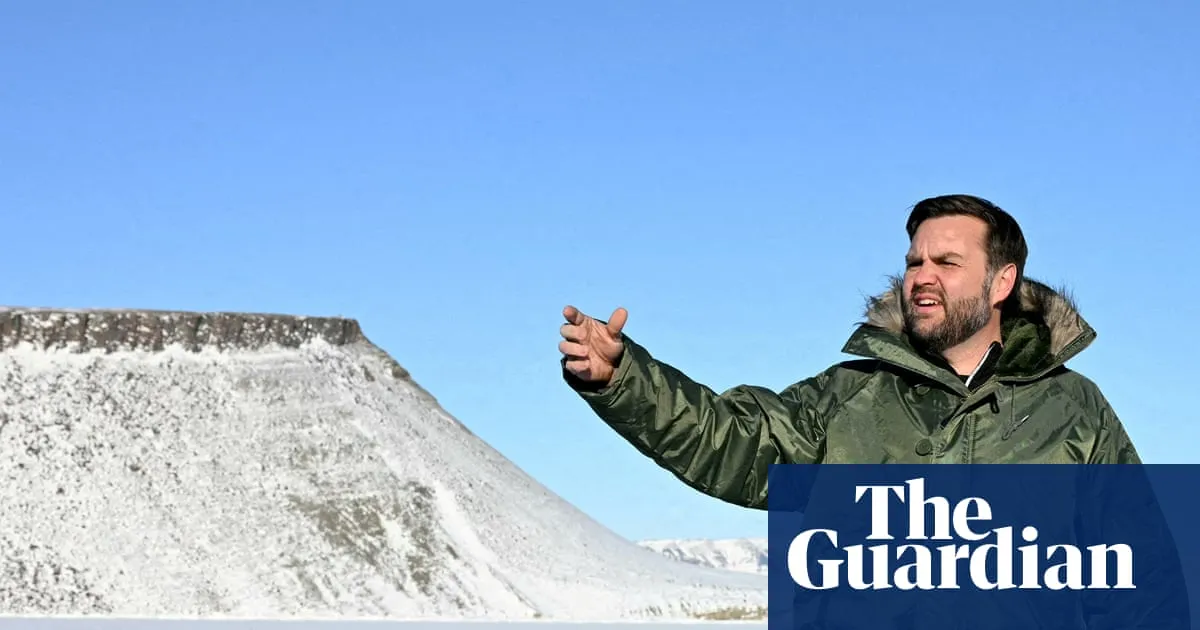
Tensions rise as JD Vance hosts a meeting with Denmark and Greenland’s foreign ministers to address Trump’s aggressive stance on Greenland. Can diplomacy prevail over military threats?
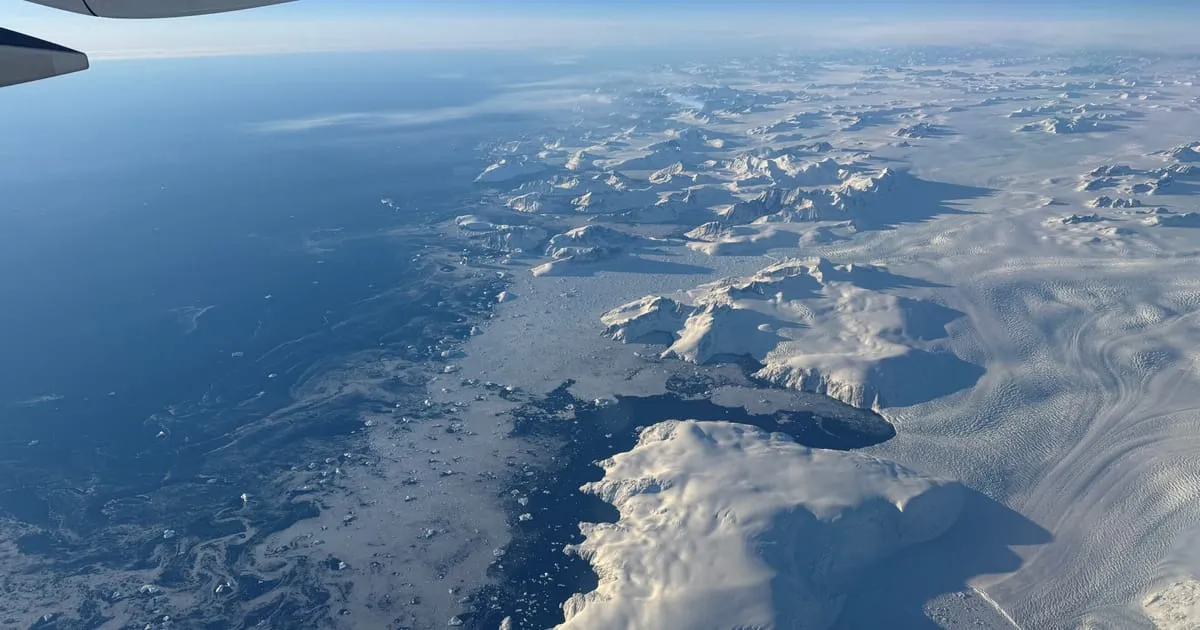
Nordic diplomats are pushing back against Trump’s claims of Russian and Chinese vessels near Greenland, asserting there's no supporting evidence and emphasizing the need for a stable international order.
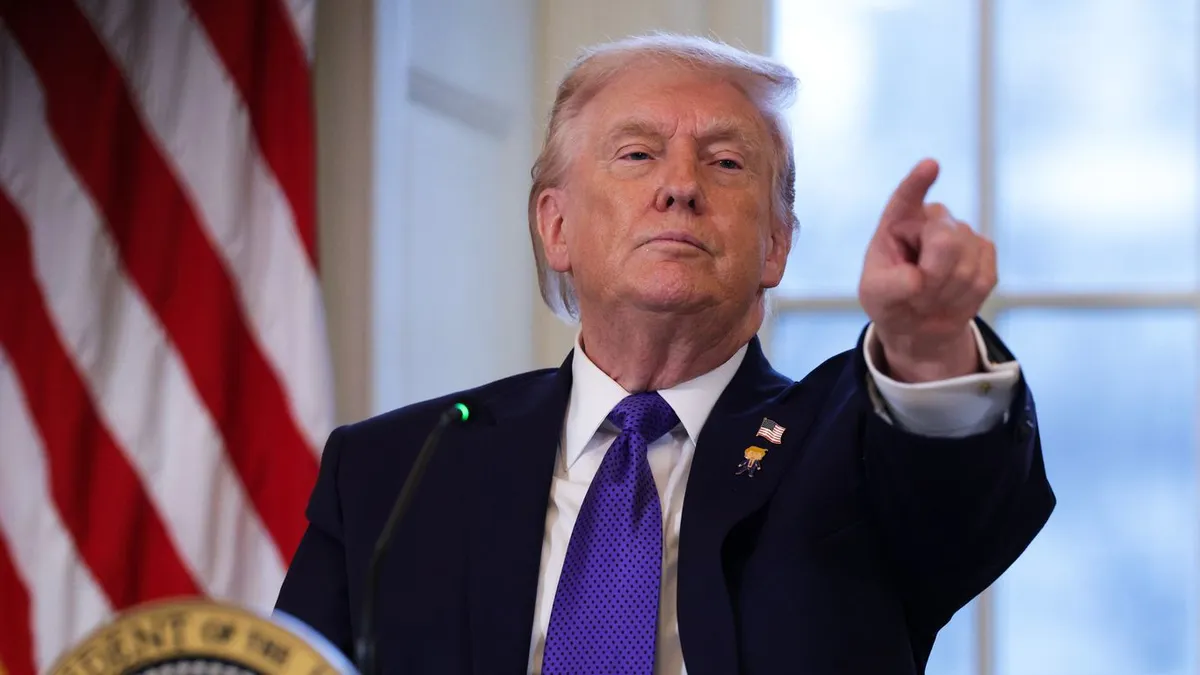
In a dramatic move, President Trump has declared a national emergency to protect $2.5 billion in Venezuelan oil revenue from private creditors, linking it to U.S. national security and regional stability. This strategy aims to stabilize Venezuela while opening doors for U.S. companies in the region. Discover how this decision could reshape international relations and impact oil markets.
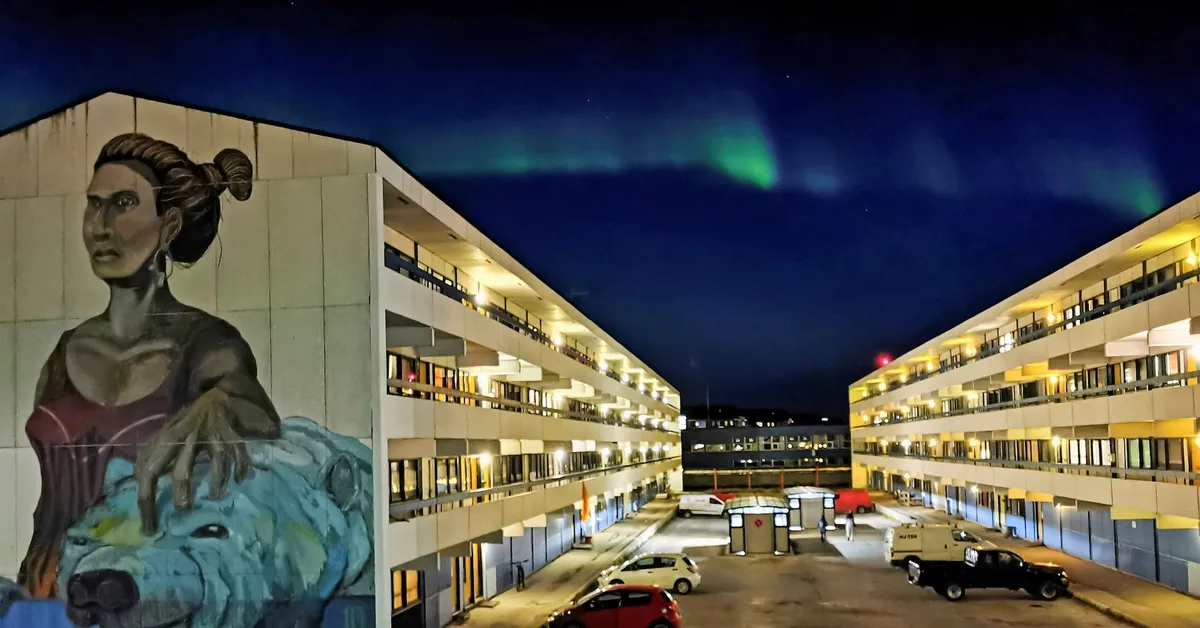
In a surprising move, U.S. officials are contemplating direct payments to Greenland residents, ranging from $10,000 to $100,000, to encourage them to secede from Denmark and potentially join the U.S. Amid rising tensions and political backlash, the implications of this strategy raise questions about national security and international relations.
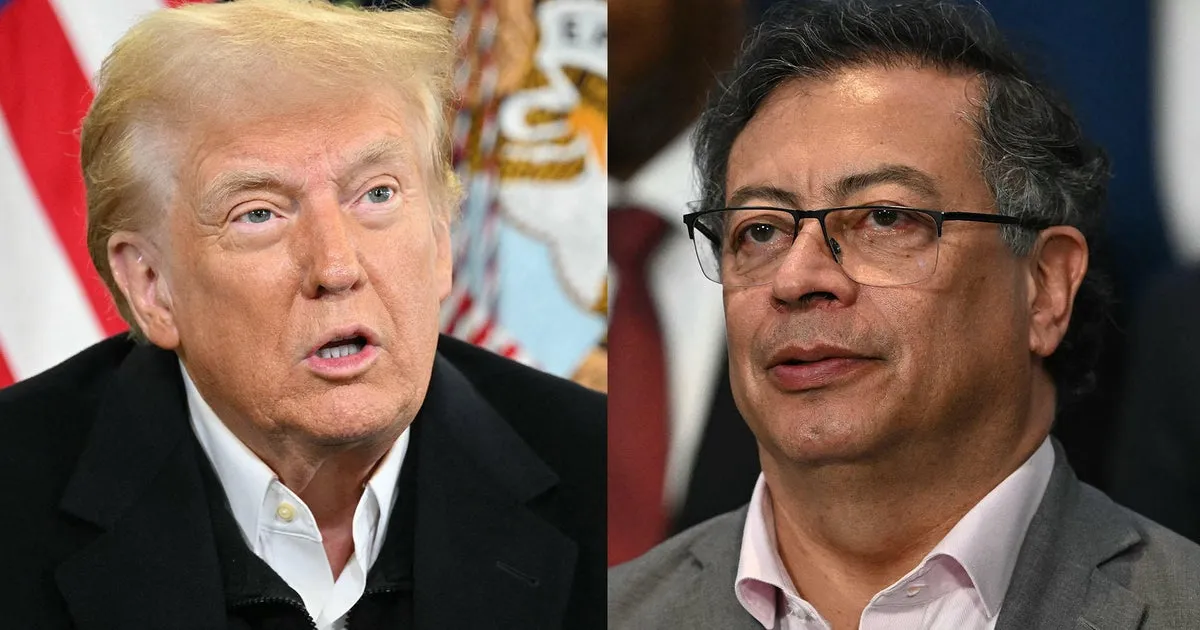
In a surprising phone call, President Trump and Colombian President Gustavo Petro find common ground after months of tension. The leaders discuss drug policy and plan a potential meeting at the White House.
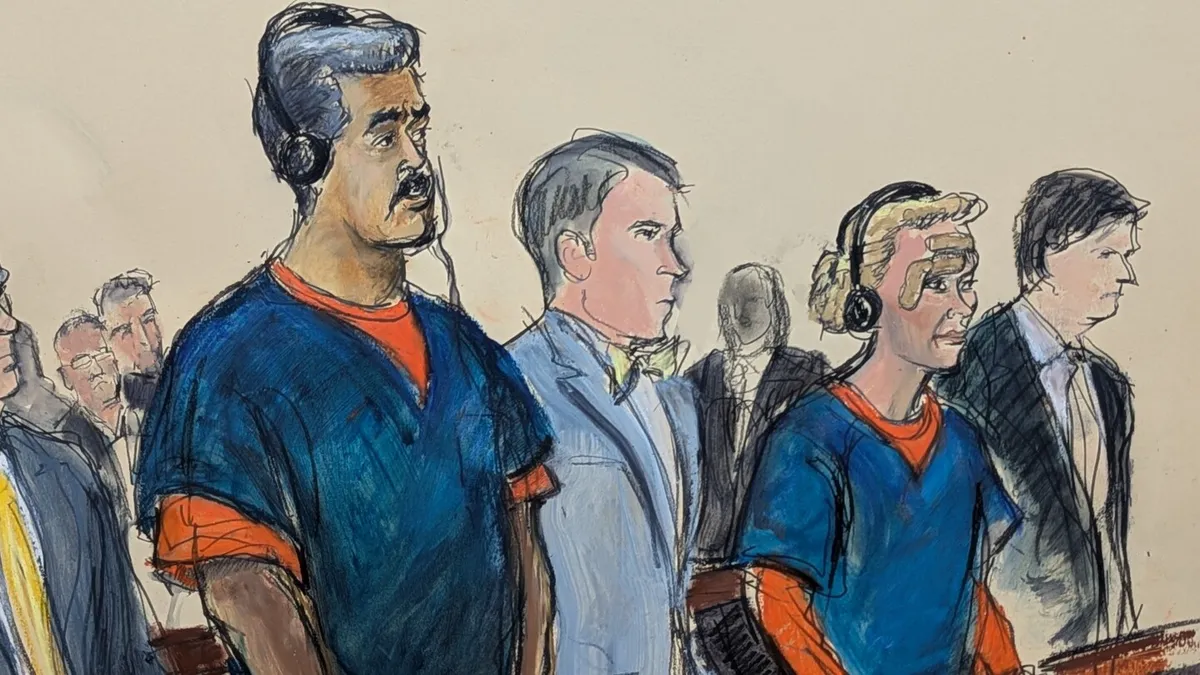
The recent capture of Nicolás Maduro by U.S. forces raises alarm about the future of international law and order. As nations react, could we be witnessing the dawn of a new era of military interventions?
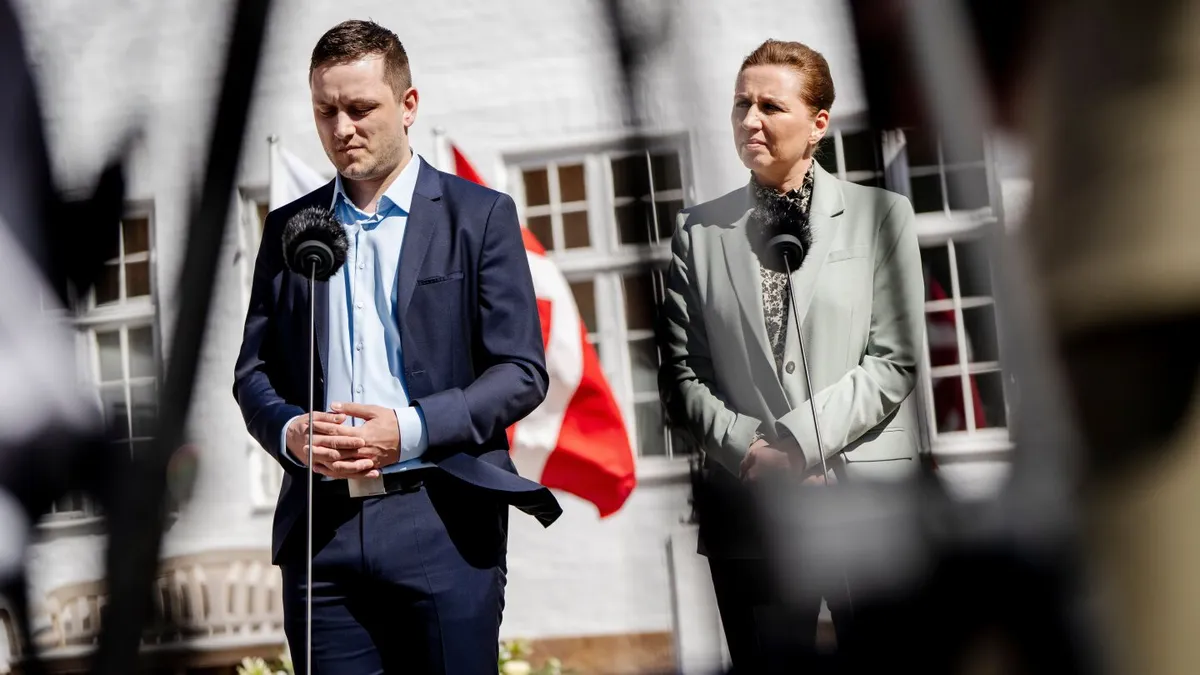
Danish Prime Minister Mette Frederiksen warns that a U.S. takeover of Greenland would threaten NATO's existence, following Trump's renewed interest in the mineral-rich island amidst rising global tensions.
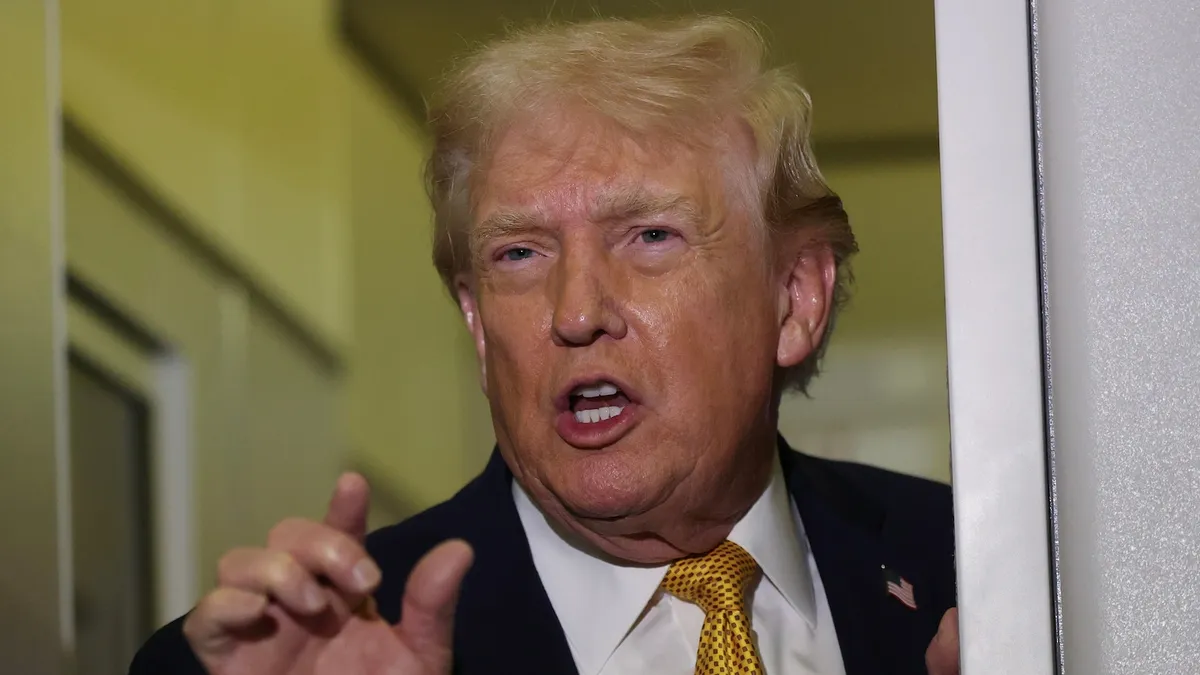
Confusion reigns as President Trump declares the U.S. is 'in charge' of Venezuela following the capture of Maduro. Meanwhile, Secretary Rubio suggests a more measured approach. What does this mean for the future of Venezuela?