

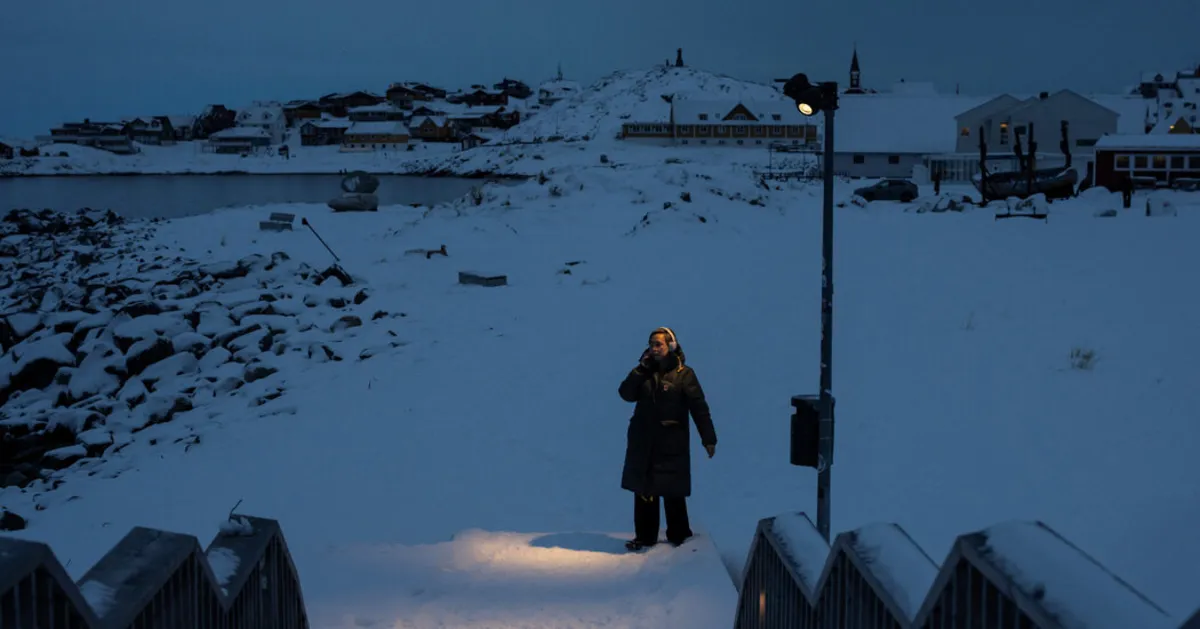
Pipaluk Lynge, a prominent figure in Greenland's political arena and the chair of the Parliament’s foreign and security policy committee, is acutely aware of the historical mistreatment of Indigenous peoples across the United States. She is also cognizant of the significant gaps within the U.S. health care system and the glaring economic inequality that persists. This understanding shapes her response to former President Trump’s controversial proposition to purchase Greenland, an autonomous territory of Denmark. Lynge’s reaction underscores her commitment to Greenland’s sovereignty, stating, “We’re not going to sell our soul. We’re not stupid.”
As discussions surrounding Greenland’s potential future as a U.S. territory unfold, a myriad of emotions permeate the island. Greenlanders experience feelings of shock, anger, confusion, humiliation, and fear. This reaction is rooted in a long history of being overlooked by global powers. For centuries, Greenland has existed as a largely ignored expanse of ice and rock within the Arctic Circle, inhabited by the resilient Inuit people who have thrived in this harsh environment. Historically, the island has been a part of the Danish Realm for over 300 years, and now Greenlanders are determined to assert their voices in discussions that directly impact their future.
In a significant move, Greenland’s foreign minister is scheduled to participate in a groundbreaking meeting in Washington, marking the first time the island has been directly involved in discussions of such importance. The meeting will feature key figures, including Secretary of State Marco Rubio and Vice President JD Vance, as they engage with Greenlandic and Danish officials amid rising tensions surrounding Trump’s assertive comments about Greenland. The former President’s declaration to “do something on Greenland, whether they like it or not” has intensified the urgency for Greenland to assert its own narrative and interests.
Greenlanders are now at a pivotal juncture in their history, as they strive to reclaim agency over their future. The push for autonomy and recognition is more important than ever, especially in the face of external pressures and potential threats to their way of life. As discussions unfold, it is essential for the voices of the Indigenous peoples of Greenland to be heard and respected. This moment presents an opportunity for Greenland to redefine its identity on the world stage and take control of its destiny.