

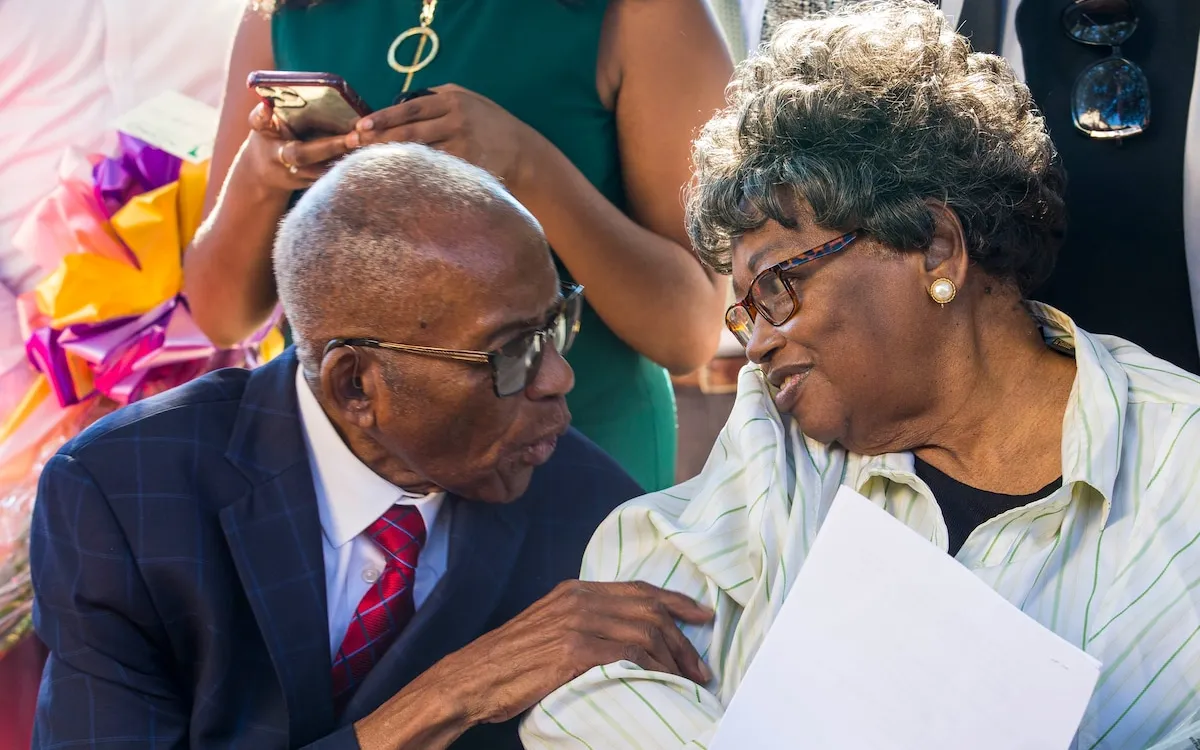
On March 2, 1955, at precisely 4:26 p.m. EST, a courageous act of defiance unfolded in Montgomery, Alabama. A 15-year-old Black high school junior named Claudette Colvin made history when she refused to surrender her seat on a segregated city bus. This pivotal moment occurred just nine months before the iconic Rosa Parks took a similar stand, but it was Claudette's bravery that laid the groundwork for the future of the civil rights movement.
Claudette Colvin boarded the bus that day, choosing a window seat located near the back. As the bus made its rounds, the driver demanded that she give up her seat to allow a White woman to sit down more comfortably. Unlike many others who would have complied out of fear, Colvin stood her ground. Having recently studied Black history in school, she was inspired by the stories of abolitionists like Harriet Tubman and Sojourner Truth. Their legacies of courage propelled her to take a stand against the injustice she faced that day.
Claudette Colvin's refusal to move was not just a personal act of resistance; it became a significant event in the larger narrative of the fight for racial equality. Her bravery caught the attention of civil rights leaders, and she became a star witness in a landmark civil rights case. Colvin’s testimony would later help to challenge the constitutionality of segregation laws in Alabama.
Despite her critical role in the civil rights movement, Claudette Colvin remained largely unsung for many years. However, her story is now increasingly recognized as a vital part of American history. By taking a stand at such a young age, she exemplified the spirit of resilience and courage that fueled the civil rights movement. Today, Claudette Colvin's legacy serves as an inspiring reminder of the importance of standing up against injustice, no matter the odds.
As we reflect on the events that preceded the Montgomery Bus Boycott, it is essential to remember that the fight for civil rights was a collective effort with many unsung heroes, including Claudette Colvin. Her actions not only contributed to the desegregation of public transportation but also ignited a movement that would change the course of American history.