

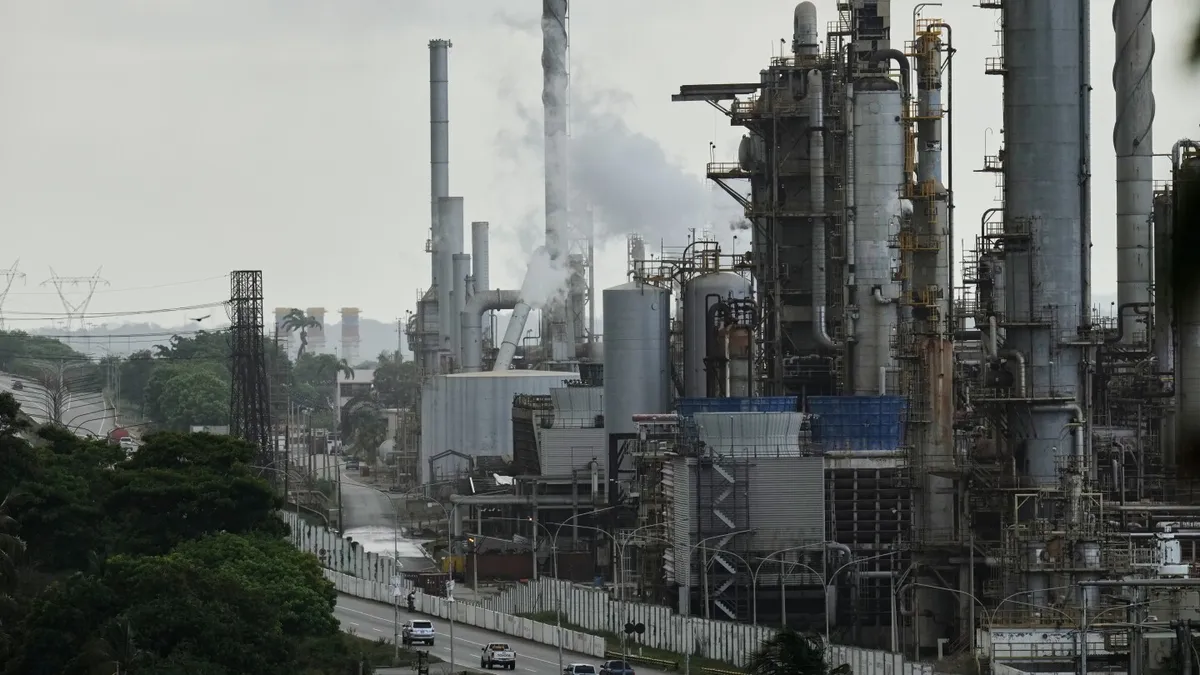
President Trump's plan to seize control of Venezuela's oil industry aims to revitalize production after years of decline. Analysts suggest potential for significant output increase, but challenges remain.
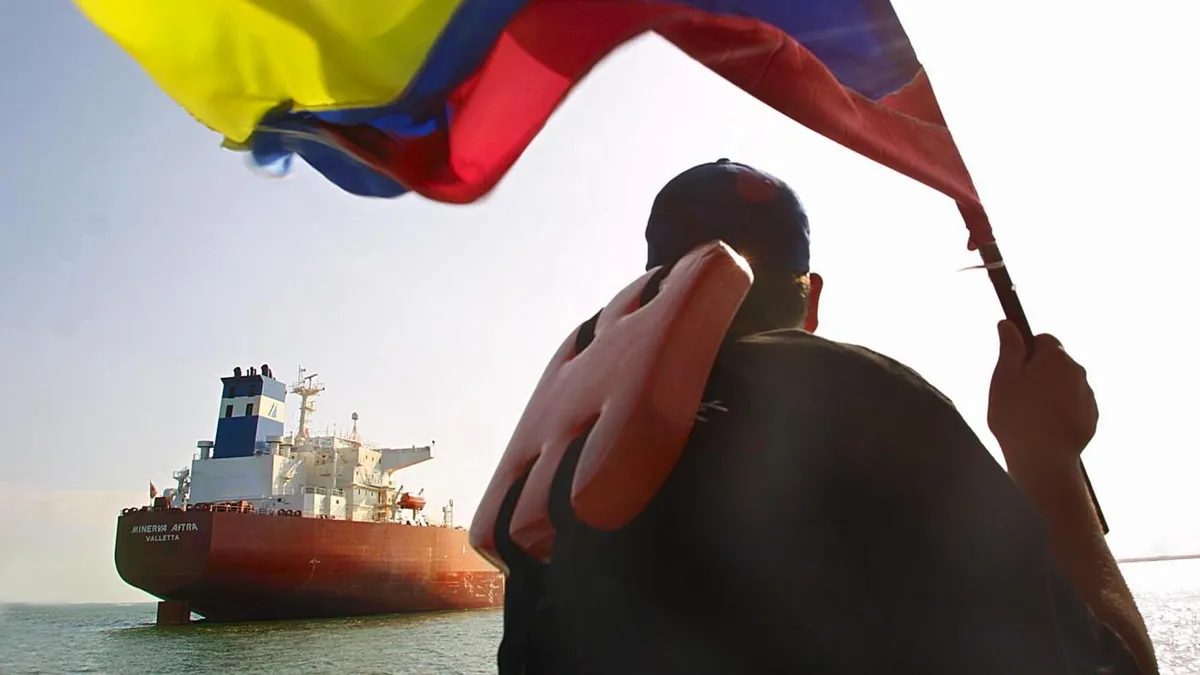
The capture of Venezuelan president Nicolás Maduro by the U.S. military raises questions about the future of Venezuela's oil industry and the potential return of American oil companies. President Trump's plans for U.S. investment in the region promise a complex path forward amidst historical challenges.
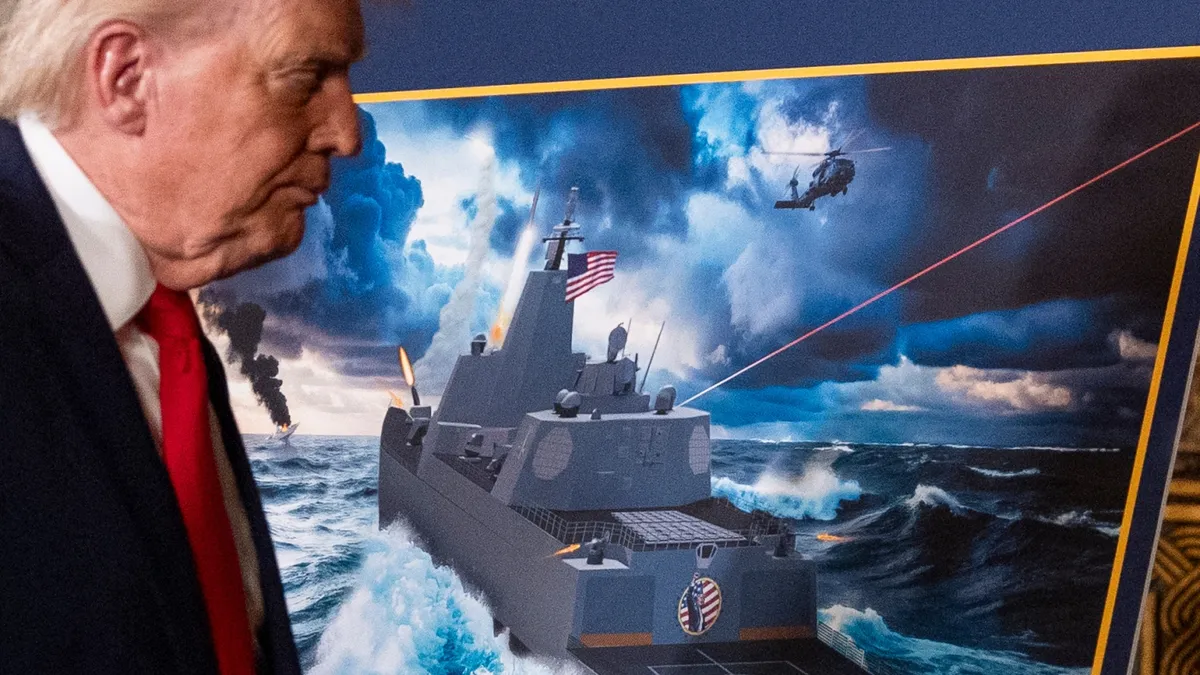
President Trump announces plans for the USS Defiant, a revolutionary battleship set to redefine naval power with advanced weaponry and a bold new design. Will this be a game changer for the U.S. Navy?
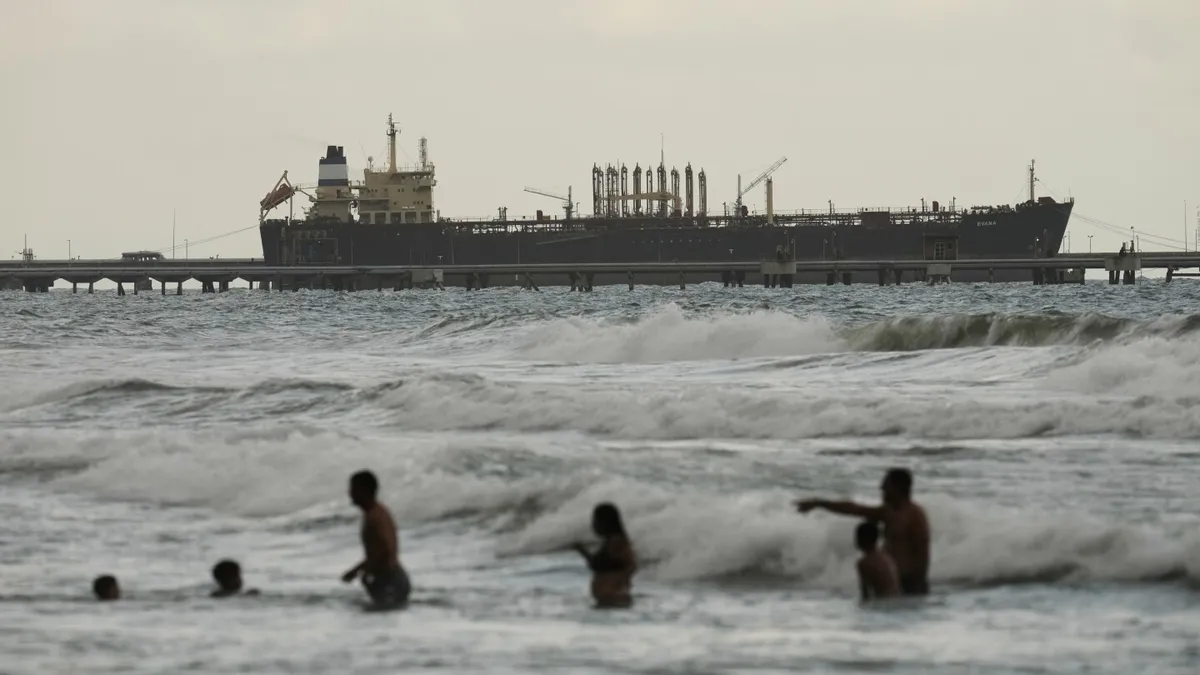
The U.S. Coast Guard is ramping up its operations against sanctioned oil tankers linked to the Venezuelan government, amidst heightened tensions and calls for military action from the Trump administration.
In a groundbreaking move, President Trump orders cannabis to be reclassified from Schedule I to Schedule III, potentially easing financial burdens for Michigan cannabis businesses and paving the way for expanded research and better banking access.
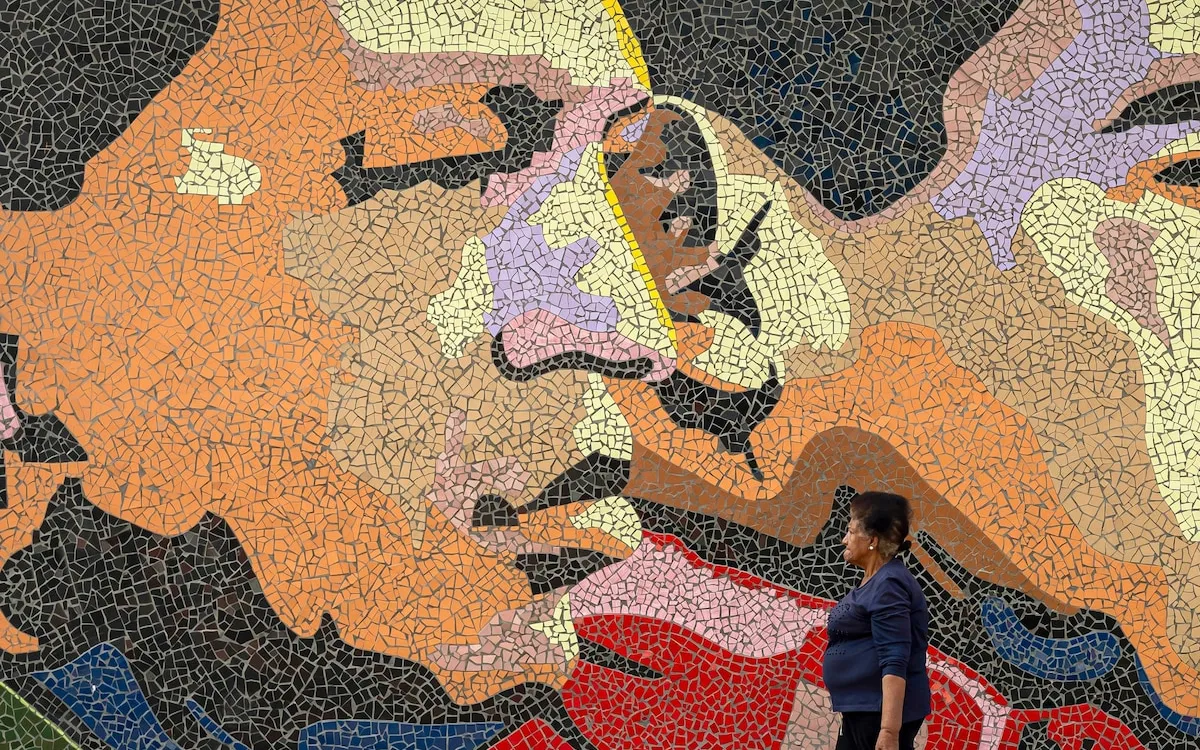
In a bold move back in 1976, Venezuela nationalized its oil industry, seizing control from foreign companies like ExxonMobil. Discover how this decision reshaped the nation's economy and global oil markets.
In light of toughened visa vetting, Apple and Google advise U.S.-based employees against international travel to avoid potential delays in returning home. Learn how immigration policies are affecting the tech industry.
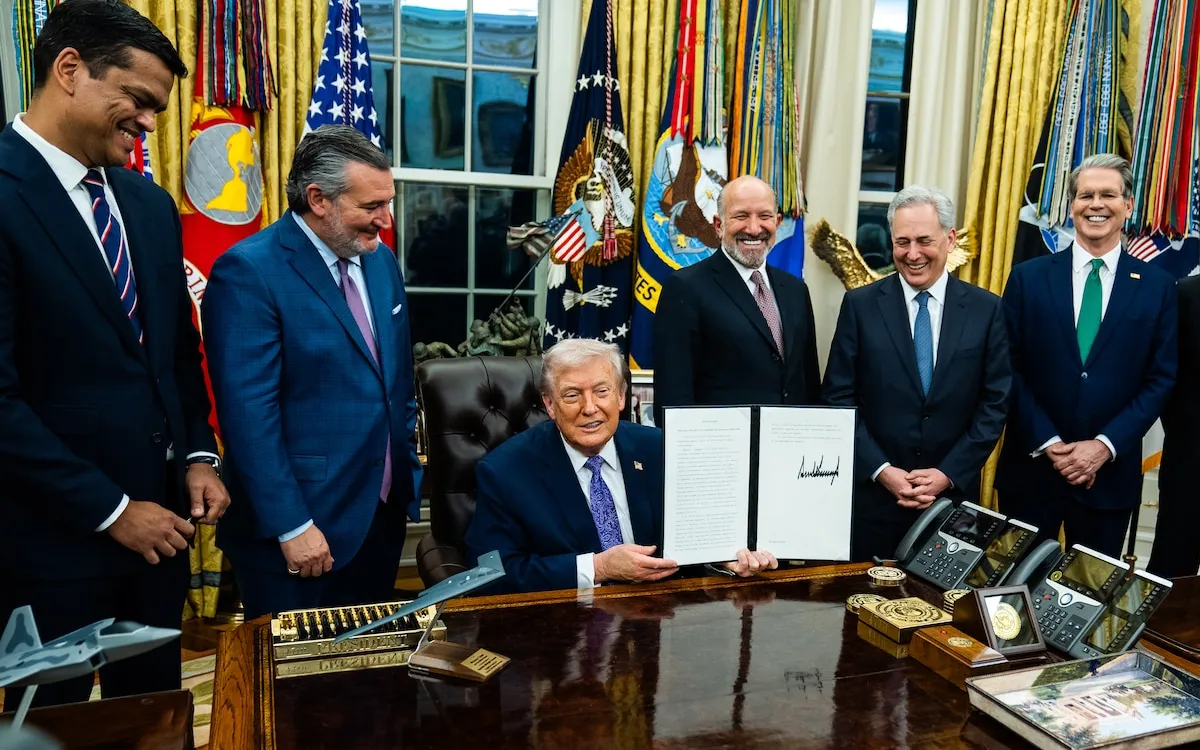
President Trump has signed an executive order targeting state regulations on AI, aiming to protect U.S. global dominance in technology. This move has sparked controversy among politicians across the board.
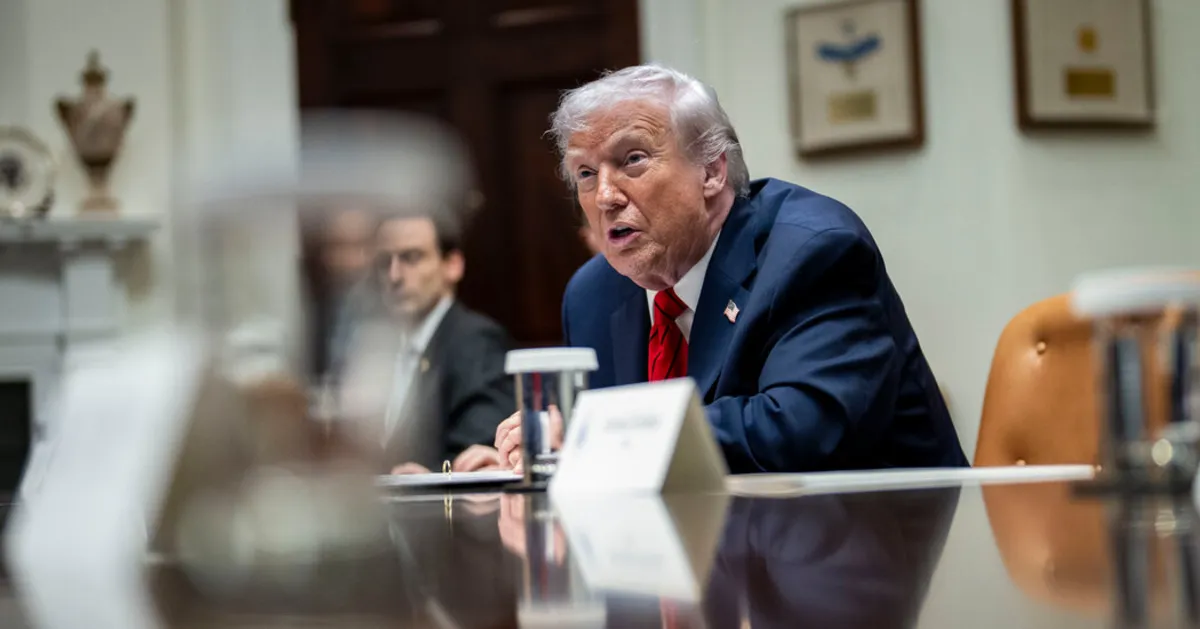
In a bold move, President Trump signed an executive order that could reshape the artificial intelligence landscape by overriding state regulations, sparking controversy and support from tech giants.
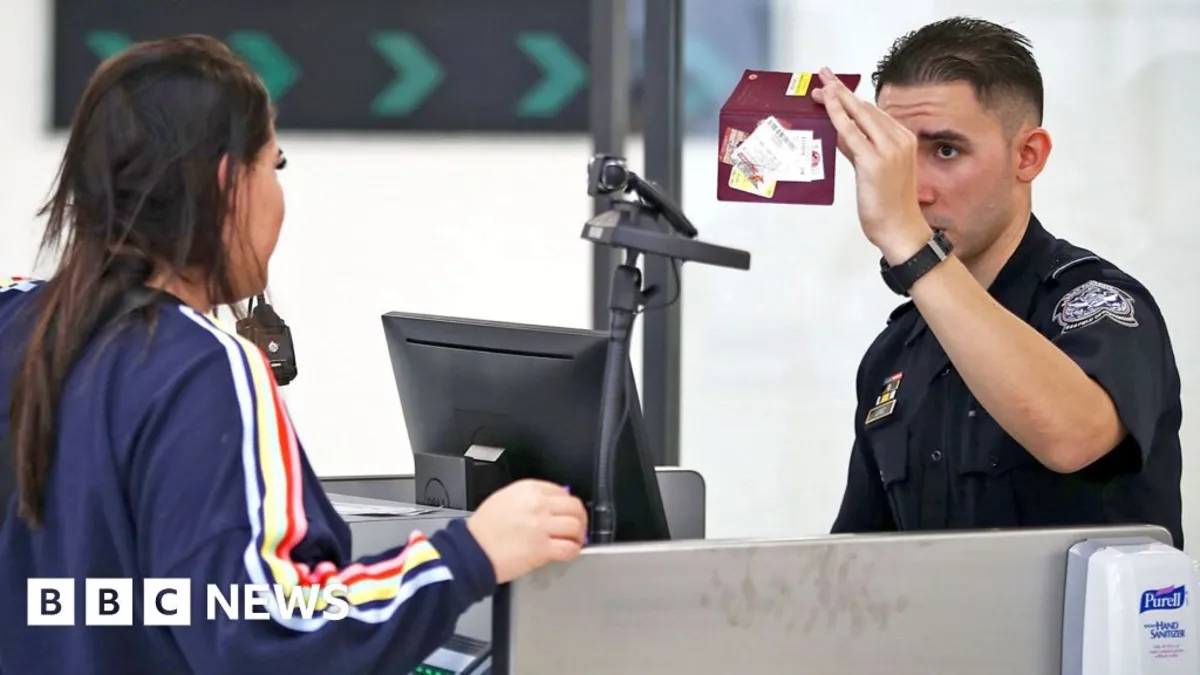
A new proposal from US officials may require tourists to submit five years of social media history to enter the country. This move raises concerns about privacy and could deter international visitors.