

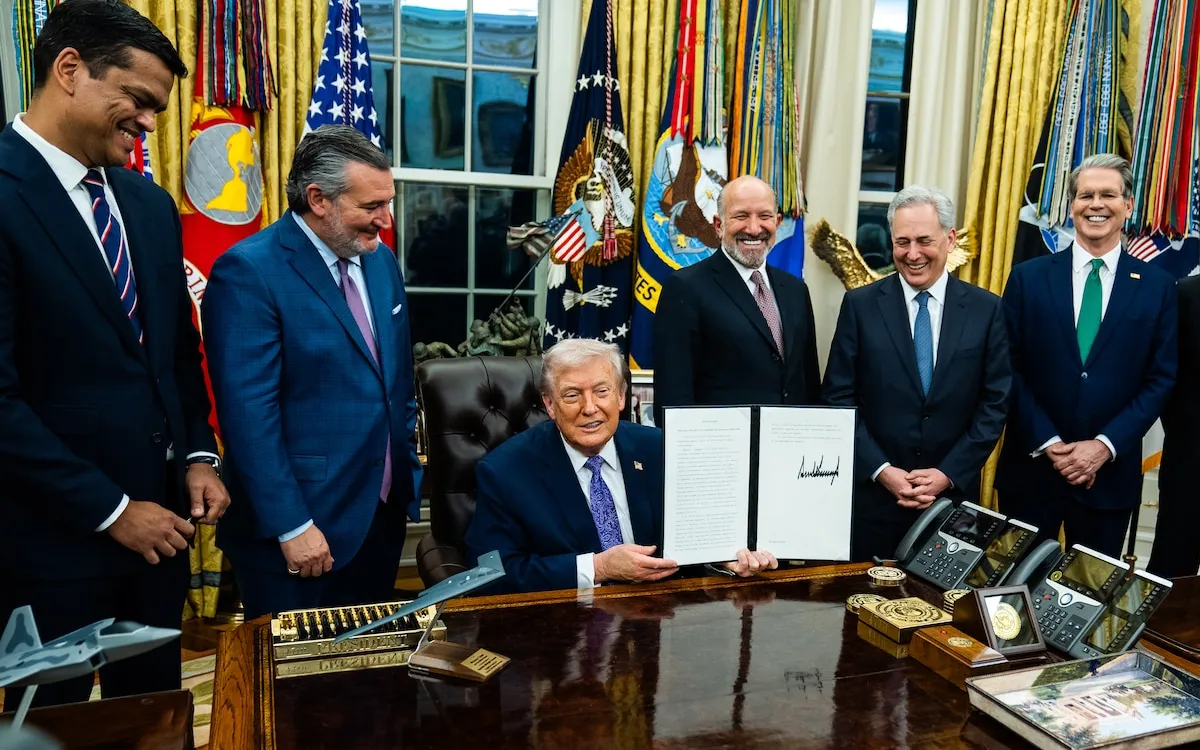
SAN FRANCISCO — In a significant move for the tech industry, President Donald Trump signed an executive order on Thursday, aimed at reinforcing the United States' dominance in artificial intelligence (AI). This directive mandates the federal government to initiate lawsuits against any states that introduce regulations on AI technology that are perceived to undermine this global leadership.
This executive order reflects the White House's ongoing commitment to an industry-friendly approach to technology policy. By positioning the federal government against state regulations, the Trump administration is signaling its intention to maintain a competitive edge in the burgeoning field of artificial intelligence.
Despite the administration's stance, this executive order comes at a time of increasing concern over the implications of unchecked AI development. Politicians from both the Democratic and Republican parties have raised alarms about the potential risks associated with AI technologies, leading to a growing demand for regulatory frameworks. The executive order may intensify debates around AI governance and the necessity of safety regulations.
As the federal government prepares to challenge state regulations, the future of artificial intelligence regulation remains uncertain. The executive order could set the stage for a legal battle over the balance between innovation and public safety, as well as the role of state versus federal authority in regulating emerging technologies.
In summary, President Trump’s executive order is a bold move aimed at safeguarding the global AI dominance of the United States, while also igniting a contentious dialogue about the need for responsible oversight of artificial intelligence advancements.