

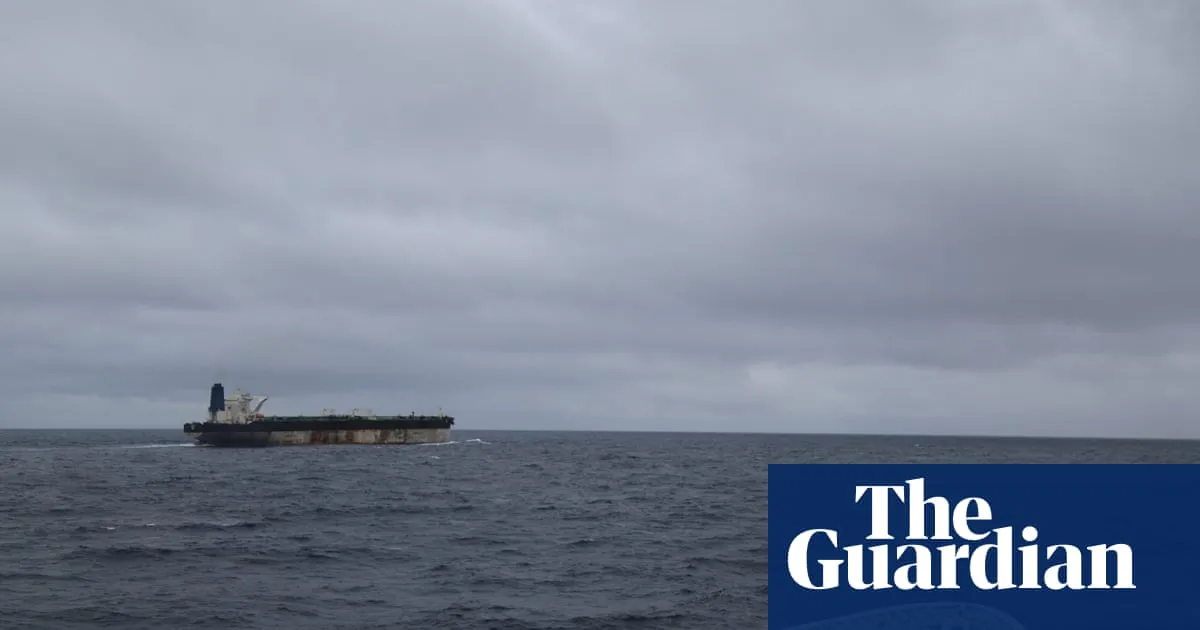
The Marinera, a massive crude oil tanker, has become a focal point of international intrigue after being seized by US forces. Speculation abounds about its hidden cargo and the geopolitical stakes involved.
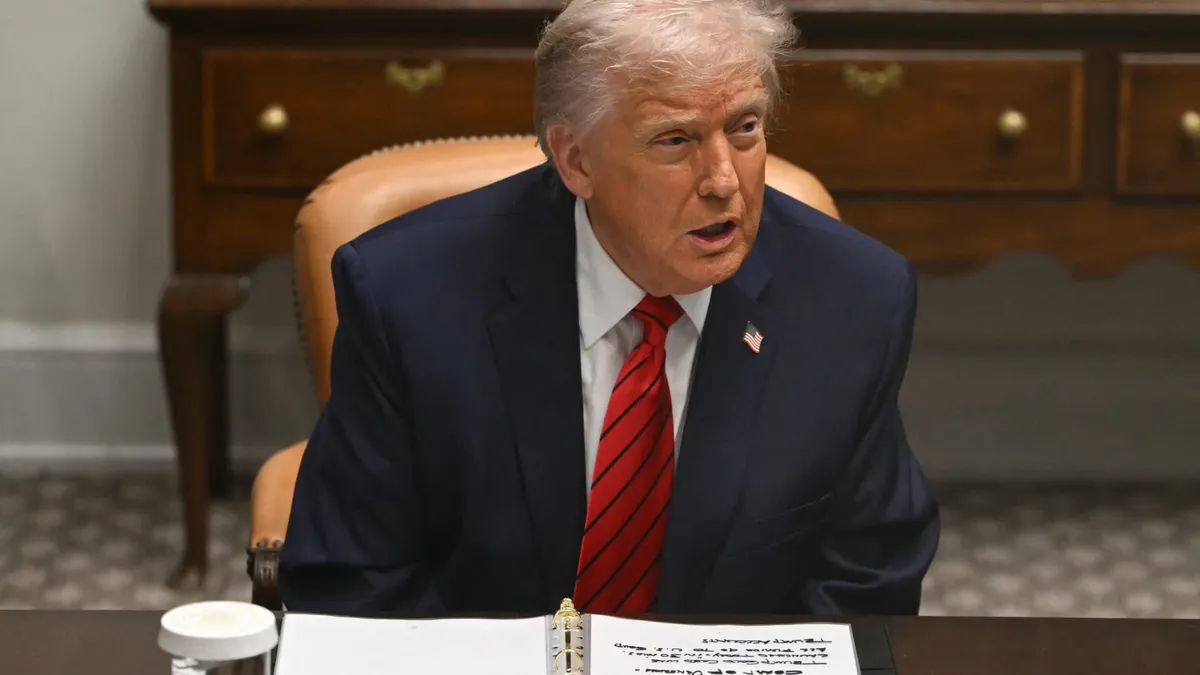
President Trump announces a groundbreaking energy deal with Venezuela aimed at restoring prosperity and security for both nations. This deal promises to revitalize the Venezuelan economy while benefiting the U.S.
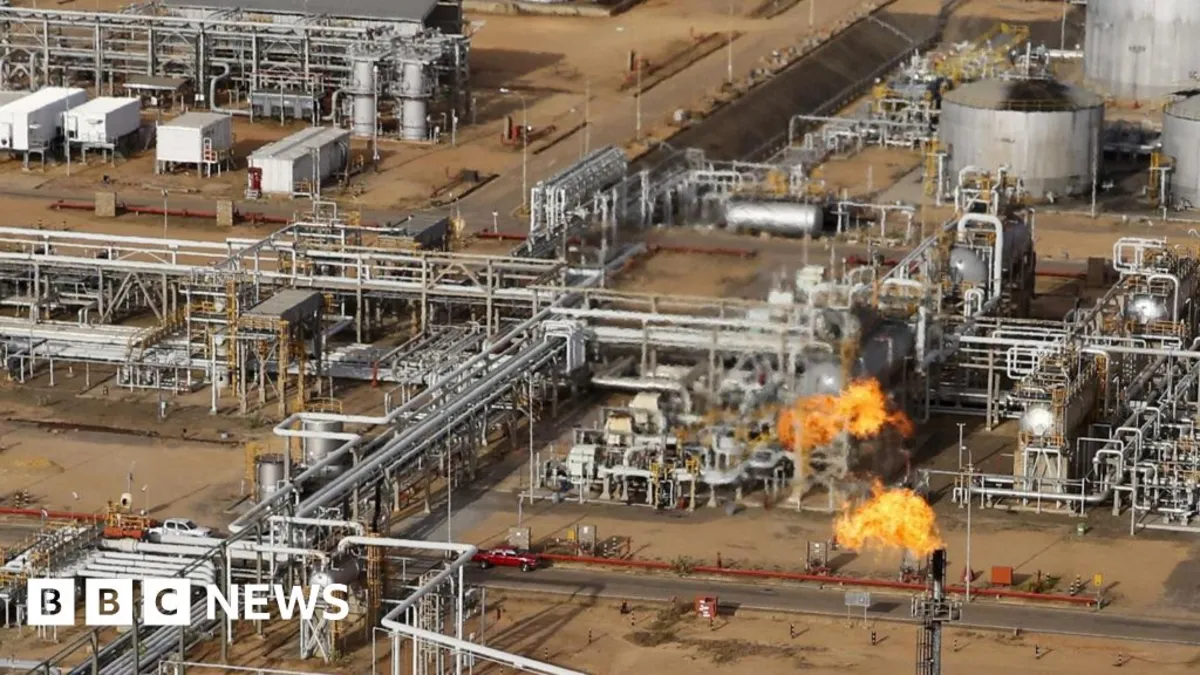
Donald Trump has set his sights on Venezuela's vast oil reserves, promising American companies will invest billions to revive the country's struggling oil industry. But experts warn of significant challenges ahead.

In a surprising turn of events, Chinese buyers are shunning Venezuelan crude due to a US blockade that's tightening the export market and driving prices up. Discover the implications of this shift!
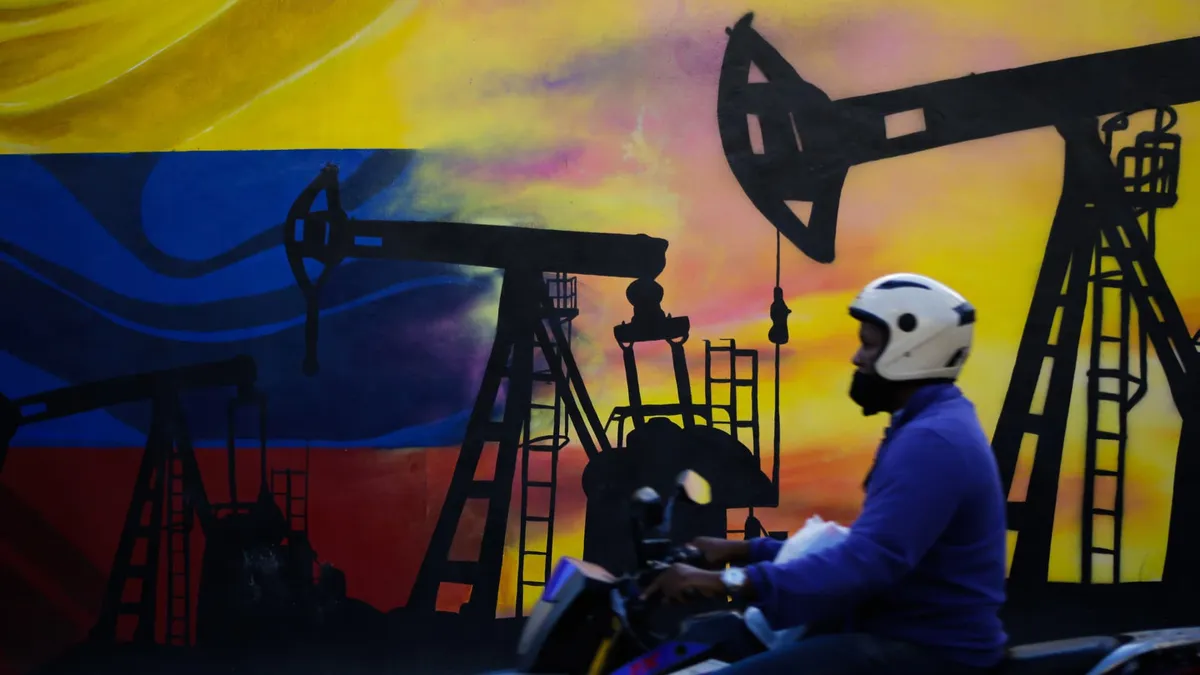
Crude oil prices have fallen as the Trump administration's actions against Venezuelan President Maduro create uncertainty in the oil market. Experts weigh in on the potential impact of regime change on production and prices.
In a bold move, the U.S. Coast Guard has seized the M/T Skipper, an oil tanker linked to terrorist organizations. This operation highlights ongoing efforts to enforce sanctions against adversarial nations.
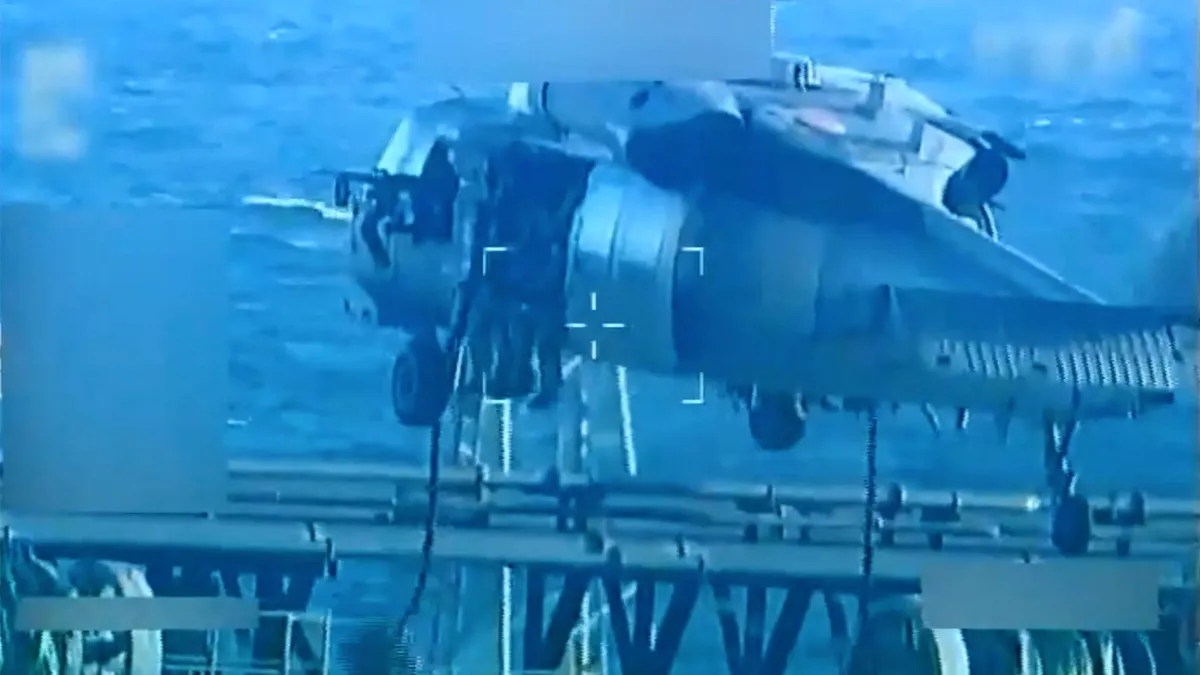
In a bold move, President Trump signals intentions to seize more oil tankers off Venezuela's coast, escalating pressure on Maduro. The U.S. already seized a tanker transporting oil to Iran, with more actions expected soon. What does this mean for global oil markets and U.S.-Venezuela relations?
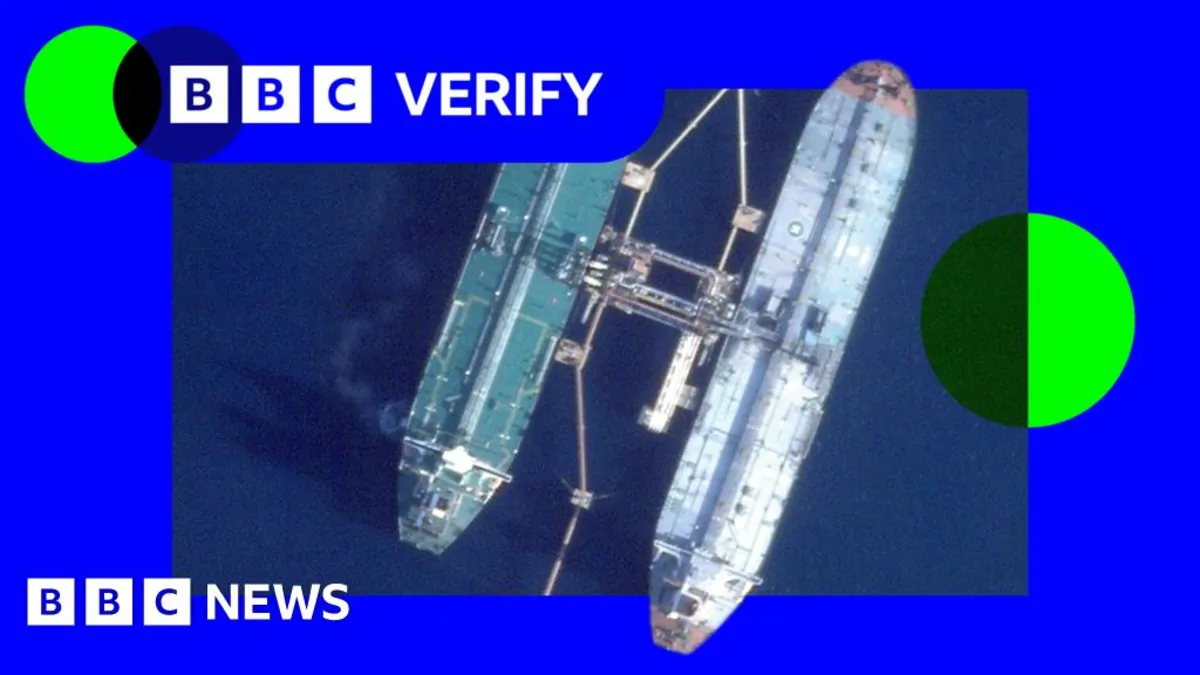
In a dramatic raid, US forces seized an oil tanker that had been eluding detection while transporting sanctioned oil from Venezuela and Iran. Discover how this vessel concealed its true movements and the implications for global oil smuggling.
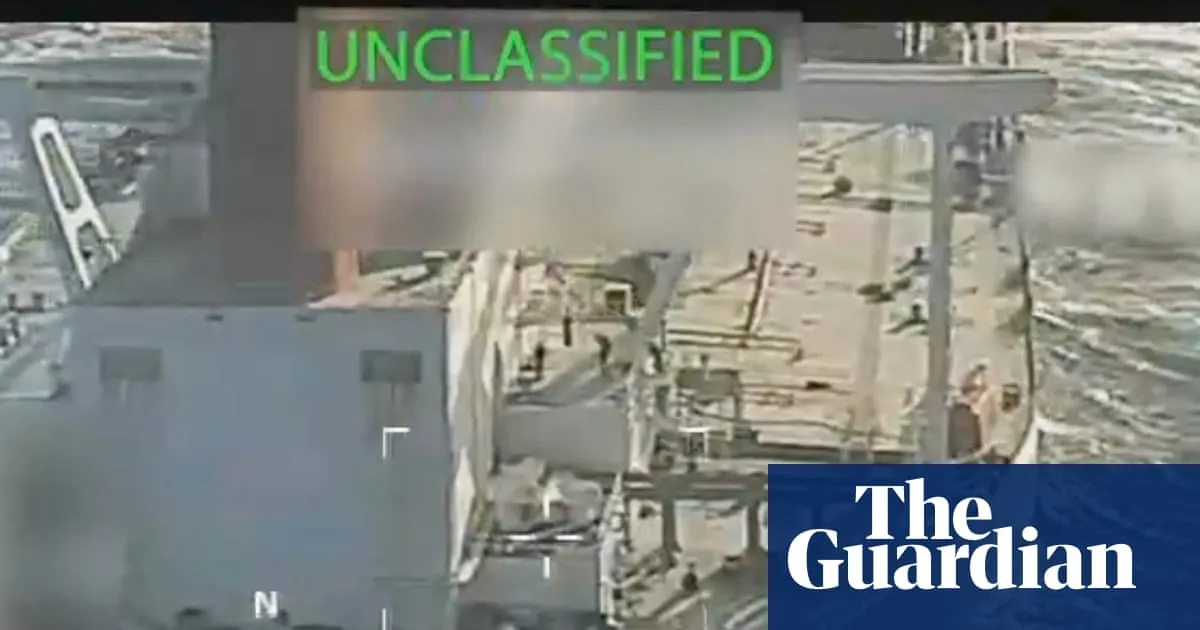
In a dramatic operation, the US Coast Guard seized the oil tanker Skipper, believed to be carrying 1.1 million barrels of oil from Venezuela. Analysts weigh in on the implications of this bold move.
In a dramatic turn of events, U.S. forces seized the largest oil tanker off the coast of Venezuela, escalating tensions with President Maduro. Crude oil prices rise as Trump hints at further military action.