

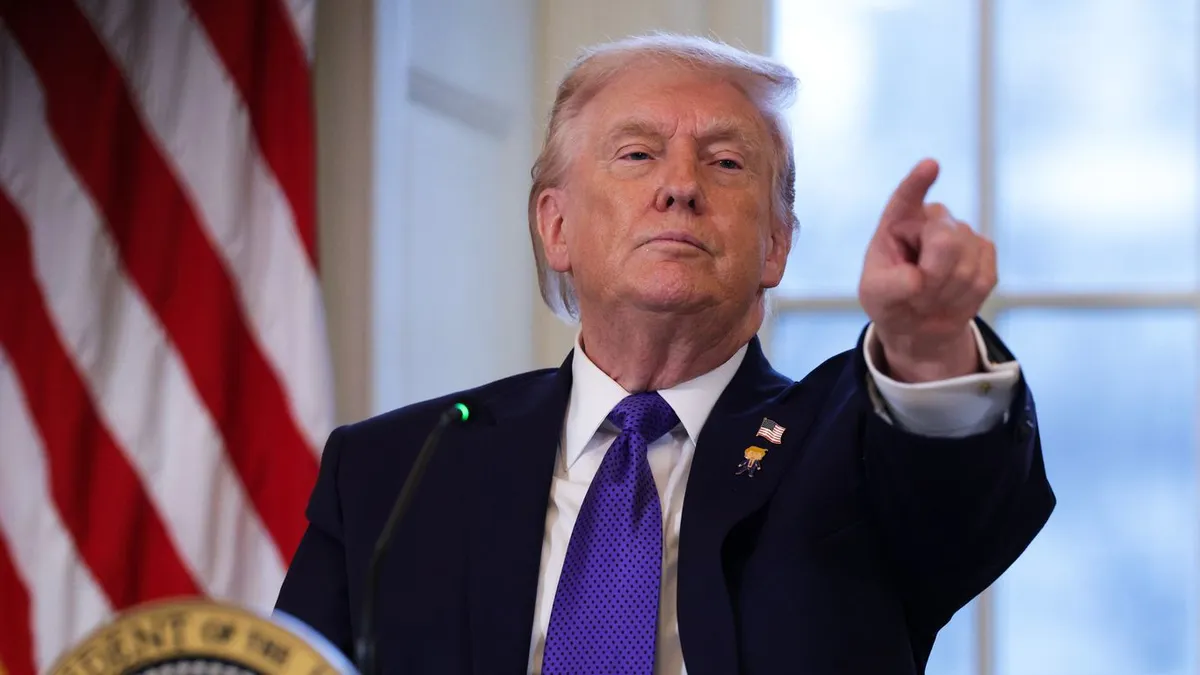
In a dramatic move, President Trump has declared a national emergency to protect $2.5 billion in Venezuelan oil revenue from private creditors, linking it to U.S. national security and regional stability. This strategy aims to stabilize Venezuela while opening doors for U.S. companies in the region. Discover how this decision could reshape international relations and impact oil markets.
Preliminary reports suggest that Russian forces may have launched an Oreshnik missile strike on Lviv Oblast. While explosions were reported, Ukrainian officials have not confirmed these claims. As tensions escalate, this incident raises questions about Russia's military strategy.
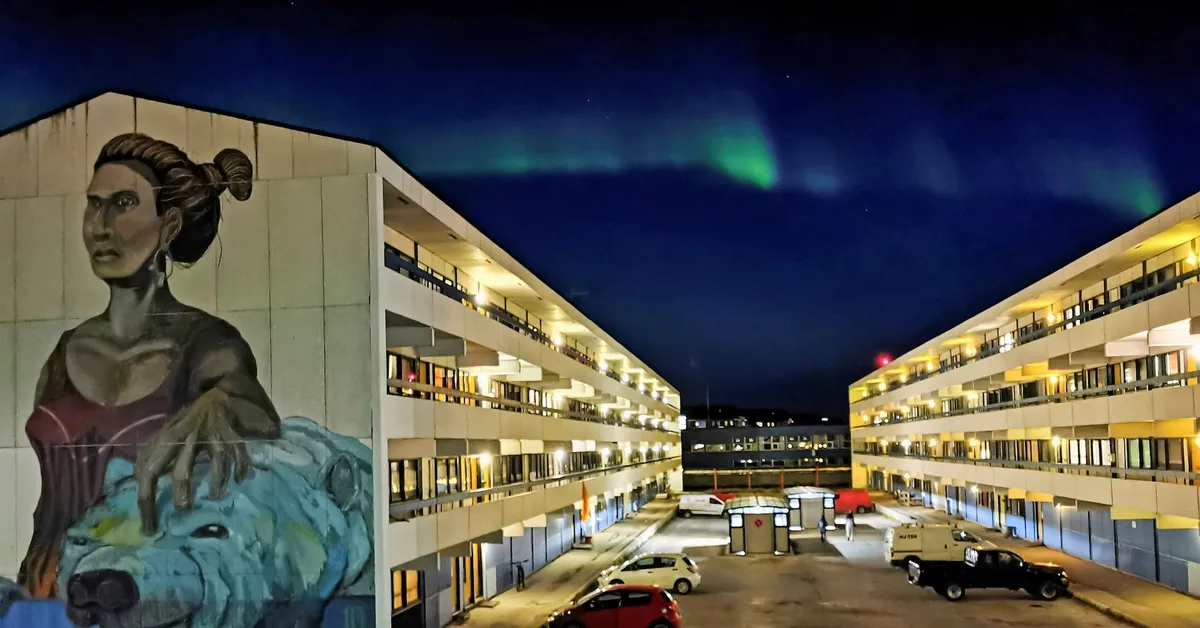
In a surprising move, U.S. officials are contemplating direct payments to Greenland residents, ranging from $10,000 to $100,000, to encourage them to secede from Denmark and potentially join the U.S. Amid rising tensions and political backlash, the implications of this strategy raise questions about national security and international relations.
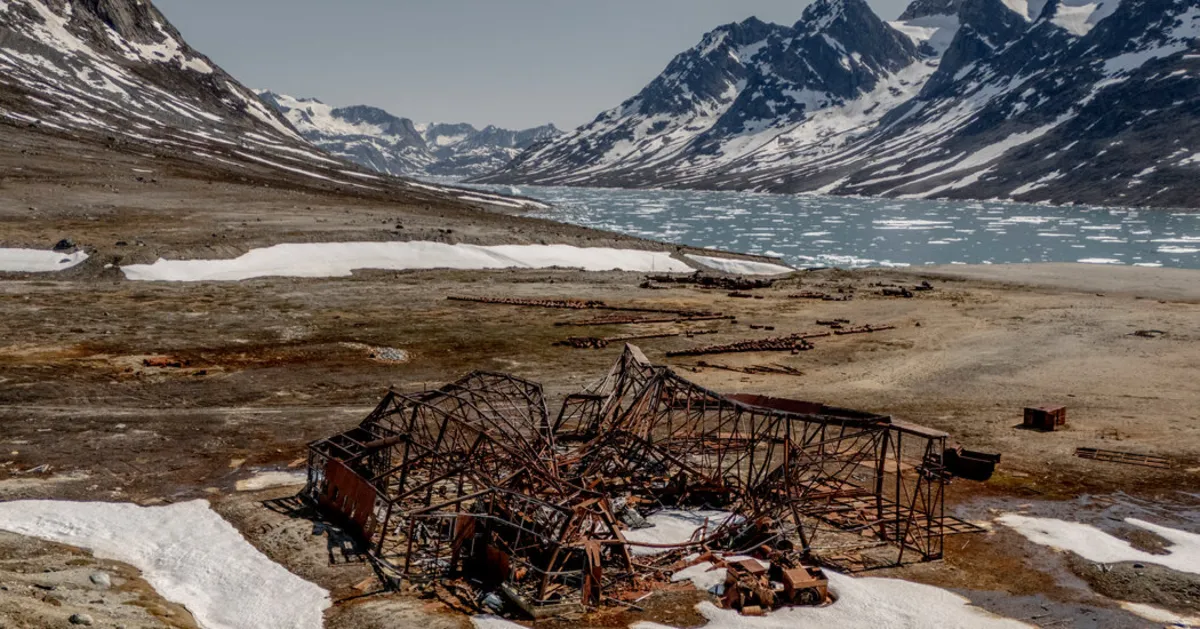
President Trump's fixation on Greenland raises eyebrows as he suggests the U.S. could buy the island for national security. With existing military access under a Cold War agreement, what does this really mean for the U.S. and its Arctic strategy?
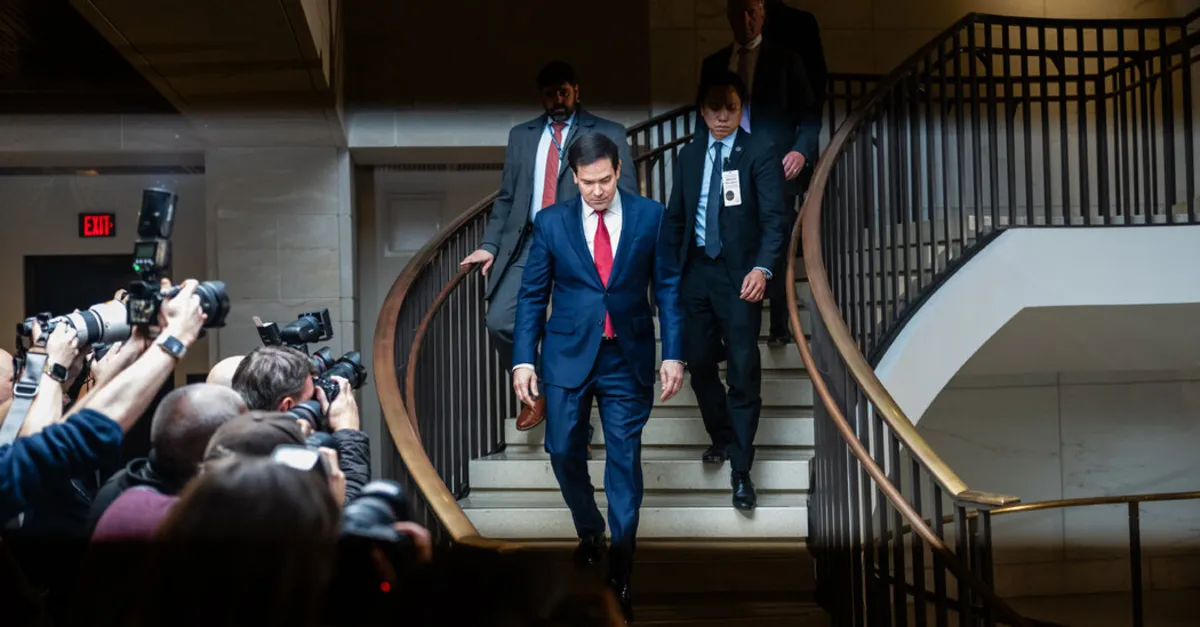
In a surprising turn of events, President Trump and Secretary of State Marco Rubio discuss military action against Venezuela, indicating a shift from diplomacy to potential intervention.
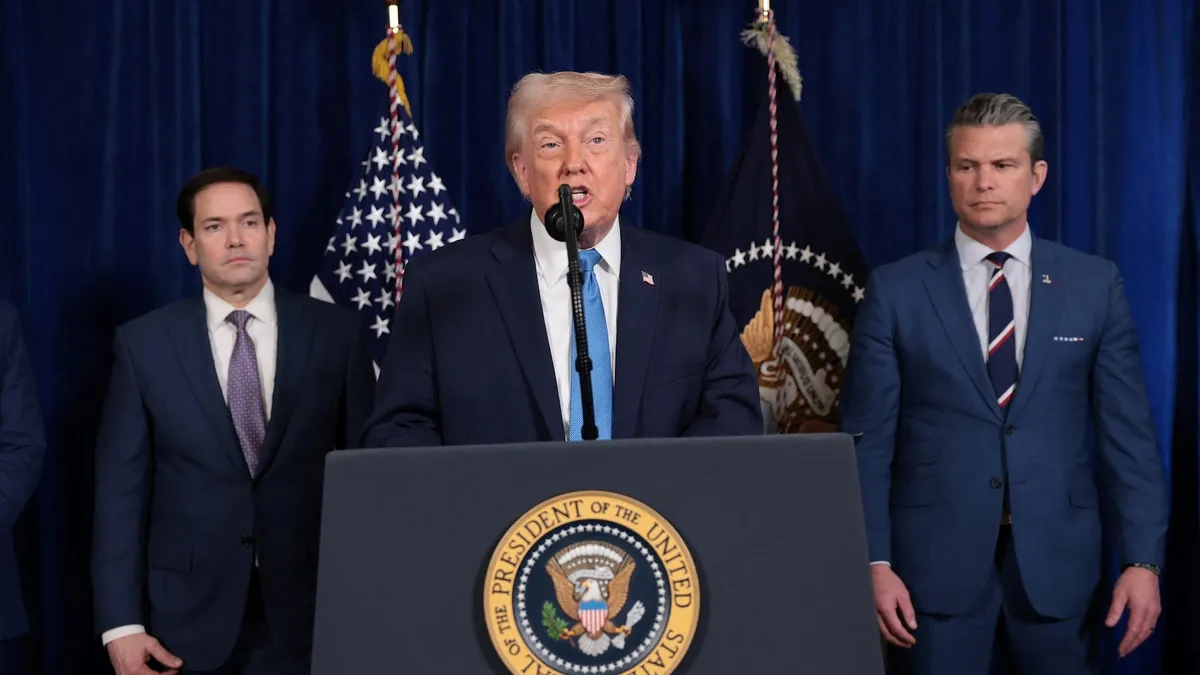
In a bold news conference, President Trump introduces the 'Donroe Doctrine,' asserting U.S. military might in the Western Hemisphere, following the controversial capture of Venezuelan President Maduro. Experts weigh in on the implications for global politics.
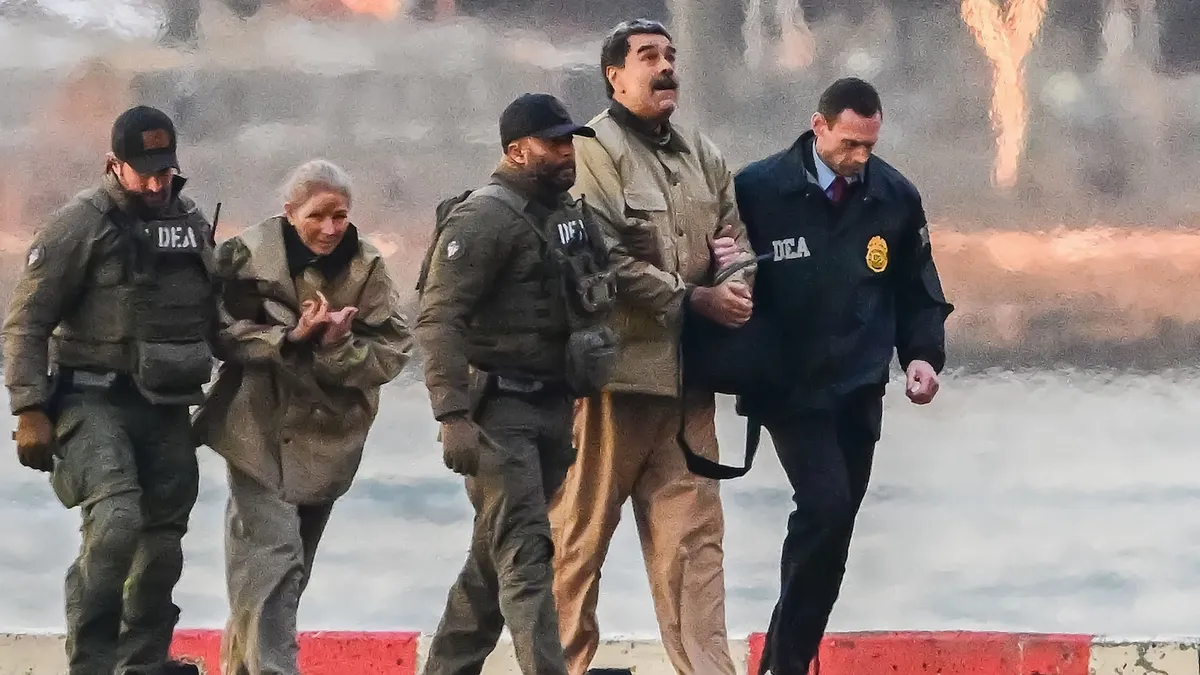
In a dramatic turn of events, ousted Venezuelan leader Nicolas Maduro and his wife, Cilia Flores, are set to appear in a Manhattan federal court after being captured by U.S. forces in a military operation. The couple faces serious charges related to drug trafficking amidst a controversial U.S. strategy to 'run' Venezuela.
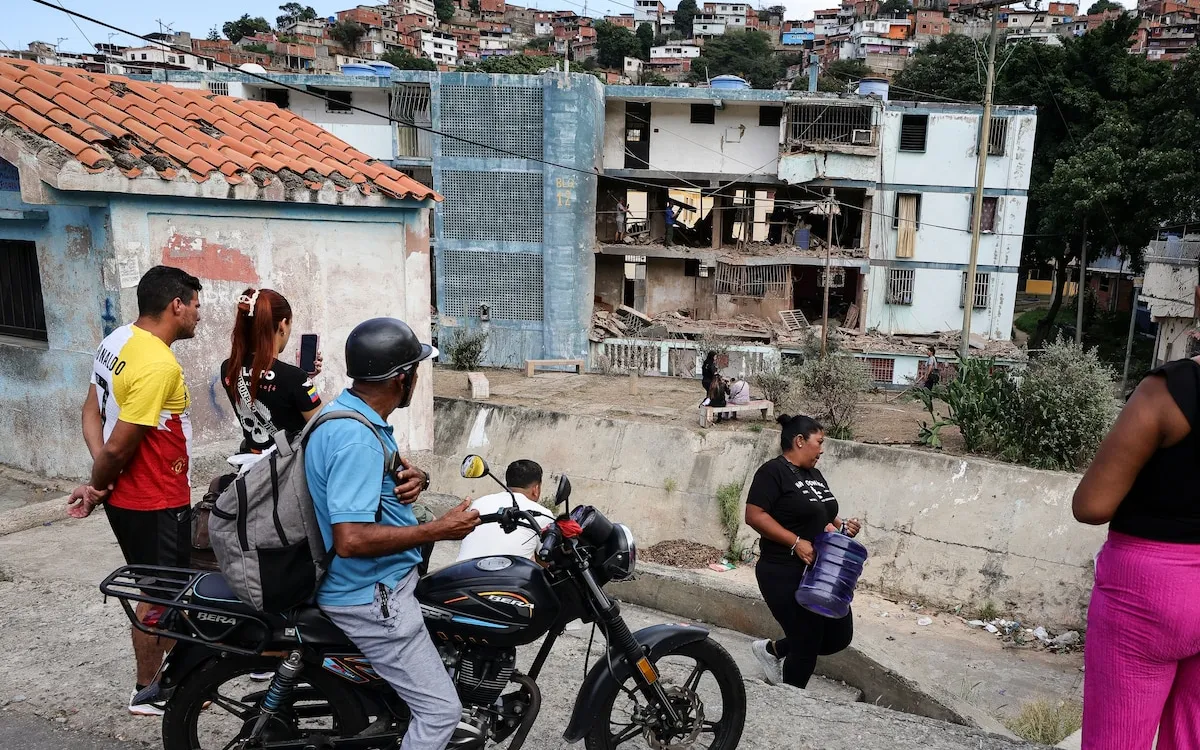
The Trump administration executed a daring operation to capture Nicolás Maduro, marking a significant moment for U.S. involvement in Venezuela. However, the complexities of governing the country loom large as challenges arise.
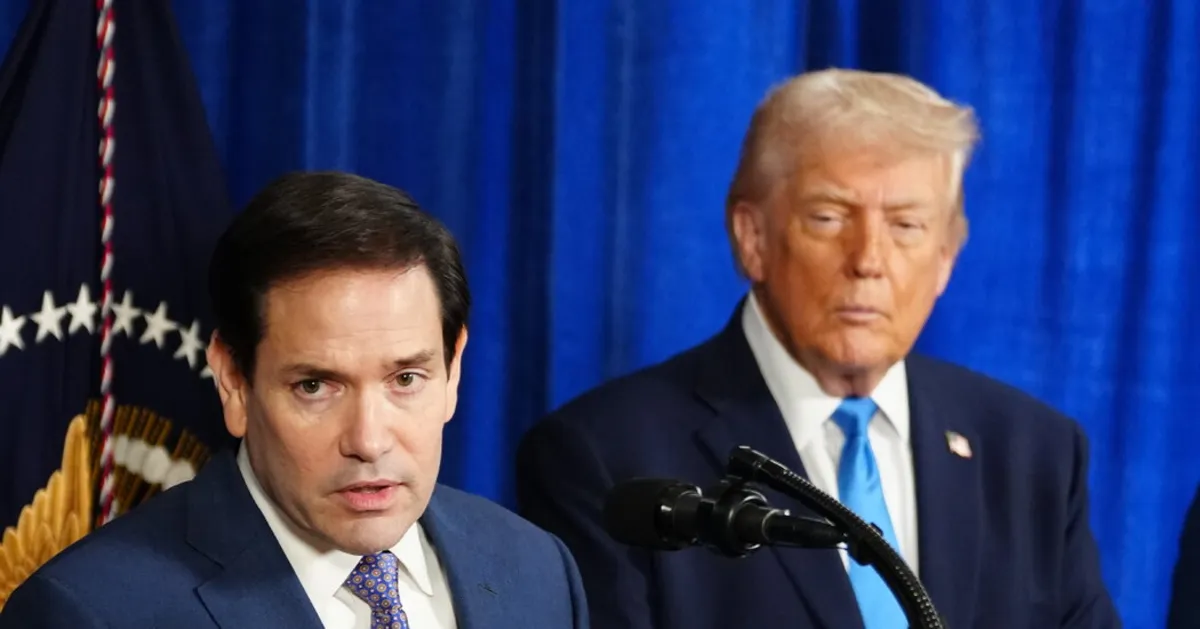
In a recent interview, Secretary of State Marco Rubio clarified President Trump's comments about U.S. control over Venezuela, emphasizing a military quarantine on oil exports instead. The focus is on leveraging policy changes from Maduro's allies without a direct occupation.
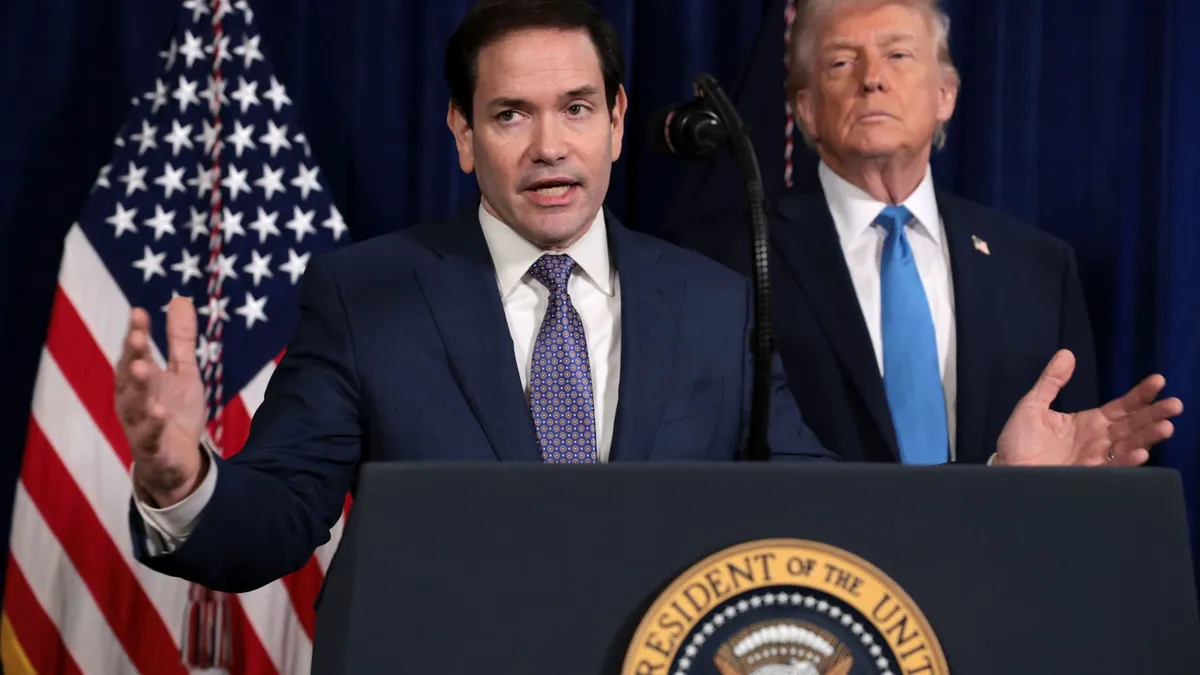
In a stunning turn of events, U.S. Secretary of State Marco Rubio clarifies America's intentions following the capture of Venezuelan President Maduro. With plans to leverage oil and military presence, Rubio outlines a new strategy for Venezuela's future.