

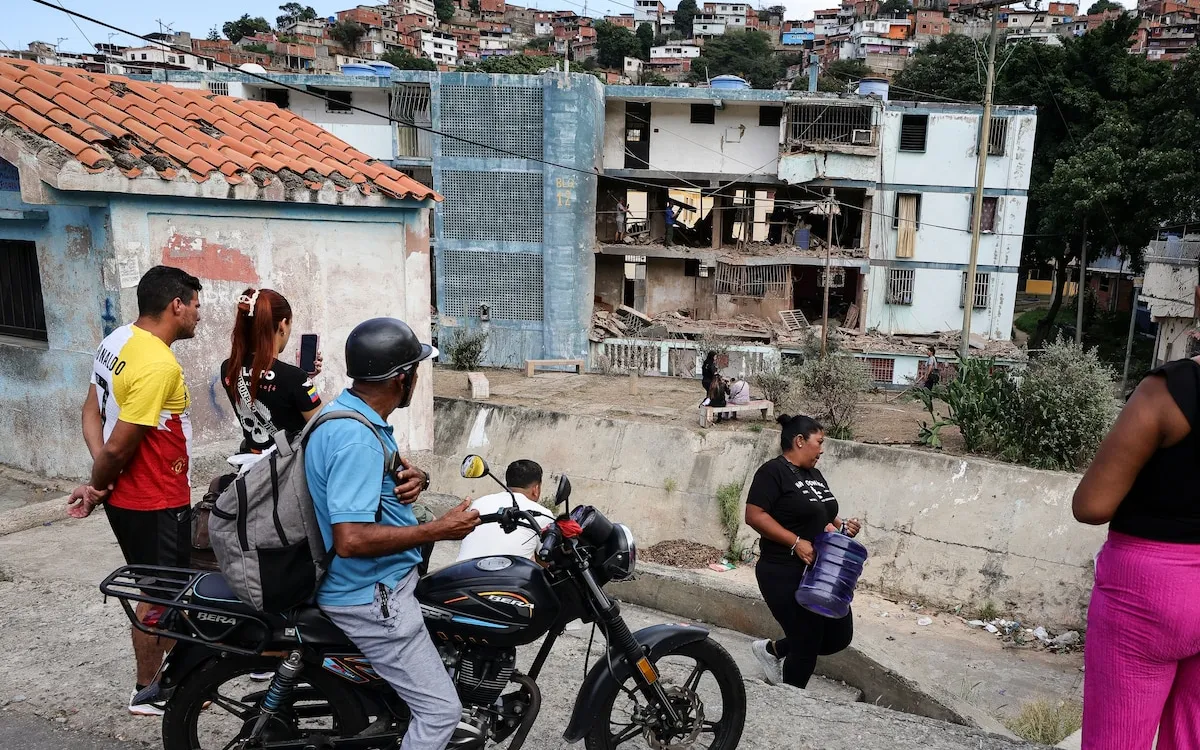
The Trump administration executed a daring operation aimed at capturing the Venezuelan strongman, Nicolás Maduro, from his residence in Caracas. This operation marked a significant tactical success for the U.S. government, showcasing its commitment to addressing the ongoing crisis in Venezuela. As President Donald Trump declared triumphantly that the United States would now “run” Venezuela, the implications of this bold move began to unravel.
In the wake of the operation, the situation in Caracas remains fraught with uncertainty. While the immediate capture of Maduro was a clear victory for the U.S., the broader question of how Washington will manage Venezuela in the coming weeks and months is proving to be complex. The intricacies of U.S. foreign policy and the delicate political landscape in Venezuela will play a crucial role in determining the future of this nation.
As the smoke clears from this bold action, analysts are now focusing on the potential challenges ahead for the U.S. administration. The task of governance in Venezuela is not only about removing Maduro from power; it also involves addressing the humanitarian crisis, restructuring the economy, and restoring political stability. Each of these factors presents unique challenges that will require careful navigation by U.S. officials.
While the Trump administration has achieved a tactical victory with the operation against Maduro, the road ahead is laden with uncertainties. The complexities of managing Venezuela and ensuring a positive outcome for its citizens will demand strategic planning and a collaborative approach. As the world watches, the effectiveness of the U.S. strategy in Venezuela will become increasingly evident in the weeks and months to come.