

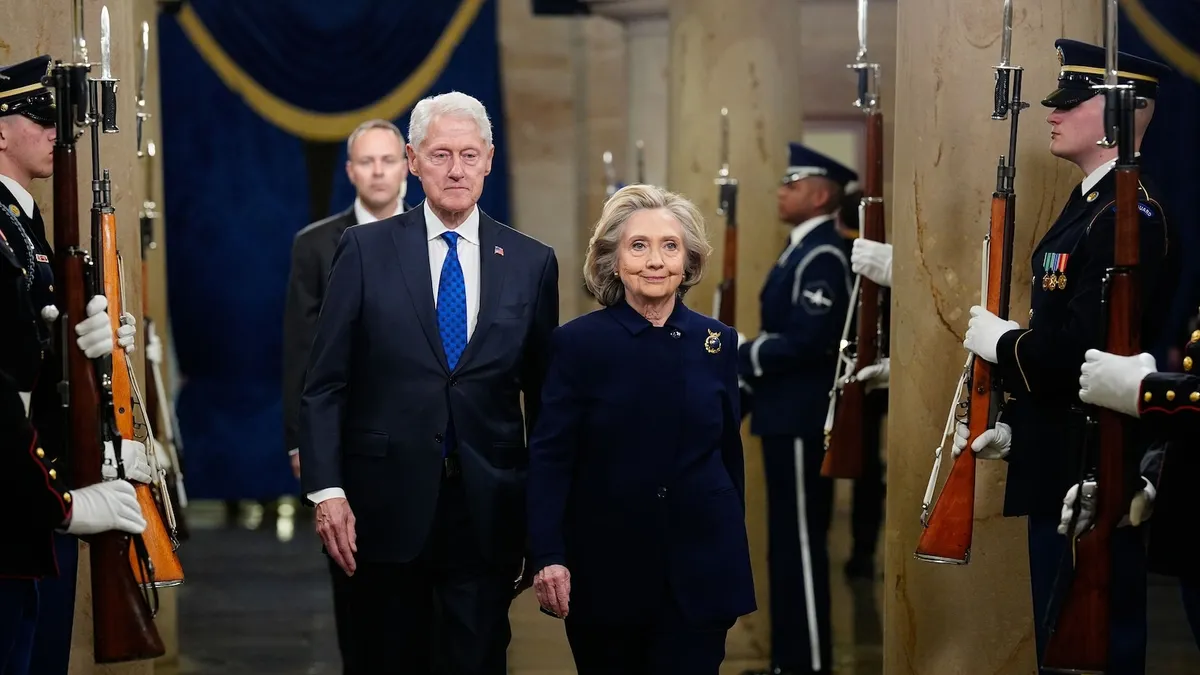
House Republicans are advancing efforts to hold Bill and Hillary Clinton in contempt of Congress for defying subpoenas related to the Epstein investigation. The move raises significant political stakes as the Clintons maintain their innocence.
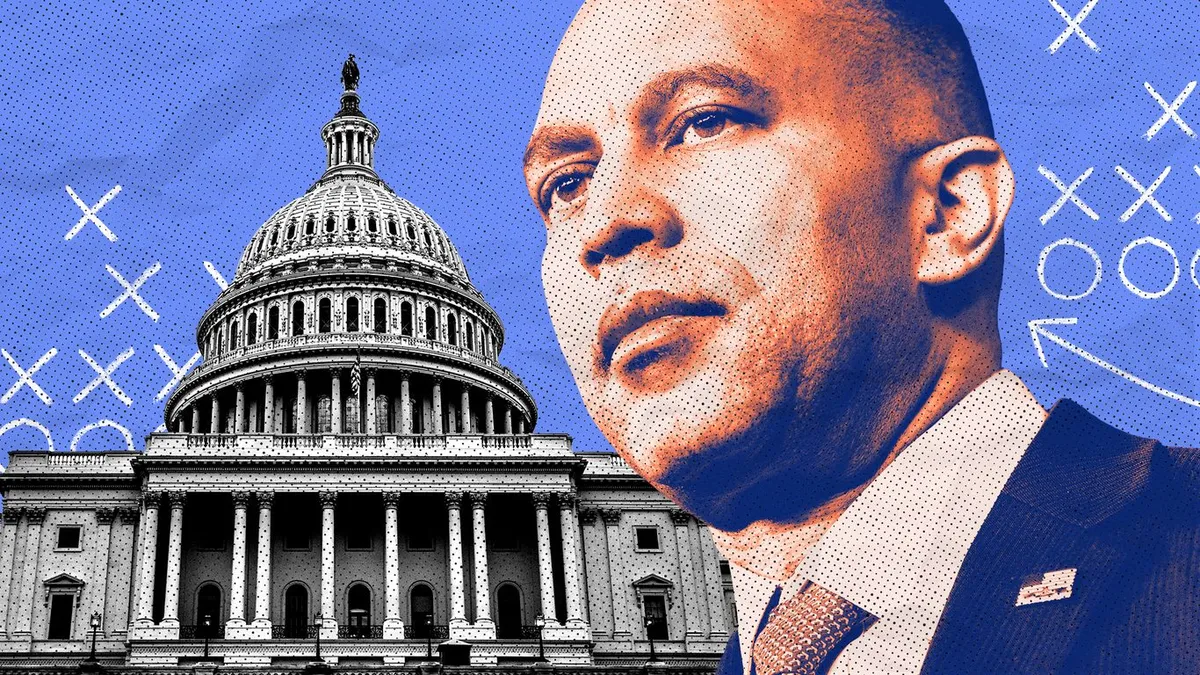
In a closed-door meeting, House Minority Leader Hakeem Jeffries expressed his opposition to the DHS funding bill, as Democrats rally against insufficient ICE constraints following a recent shooting. Will this bill pass?
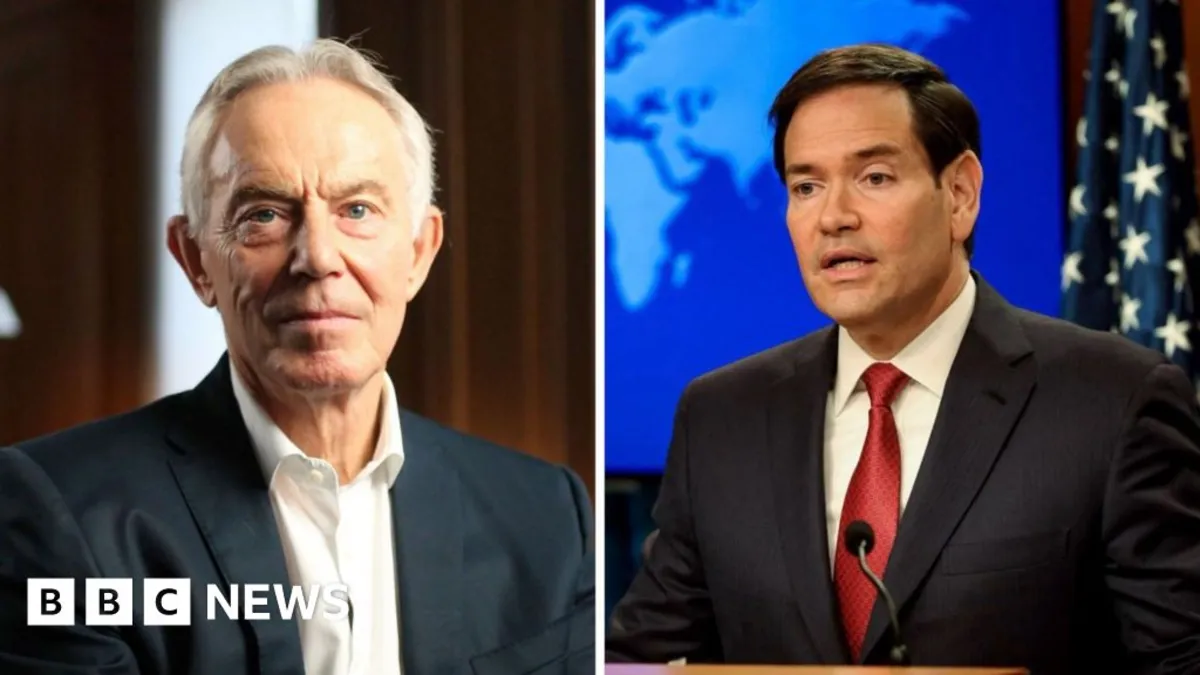
In a surprising move, the Trump administration has formed a 'Board of Peace' for Gaza, featuring prominent figures like Marco Rubio and Tony Blair, aiming to oversee reconstruction and stabilize the region amidst ongoing tensions.
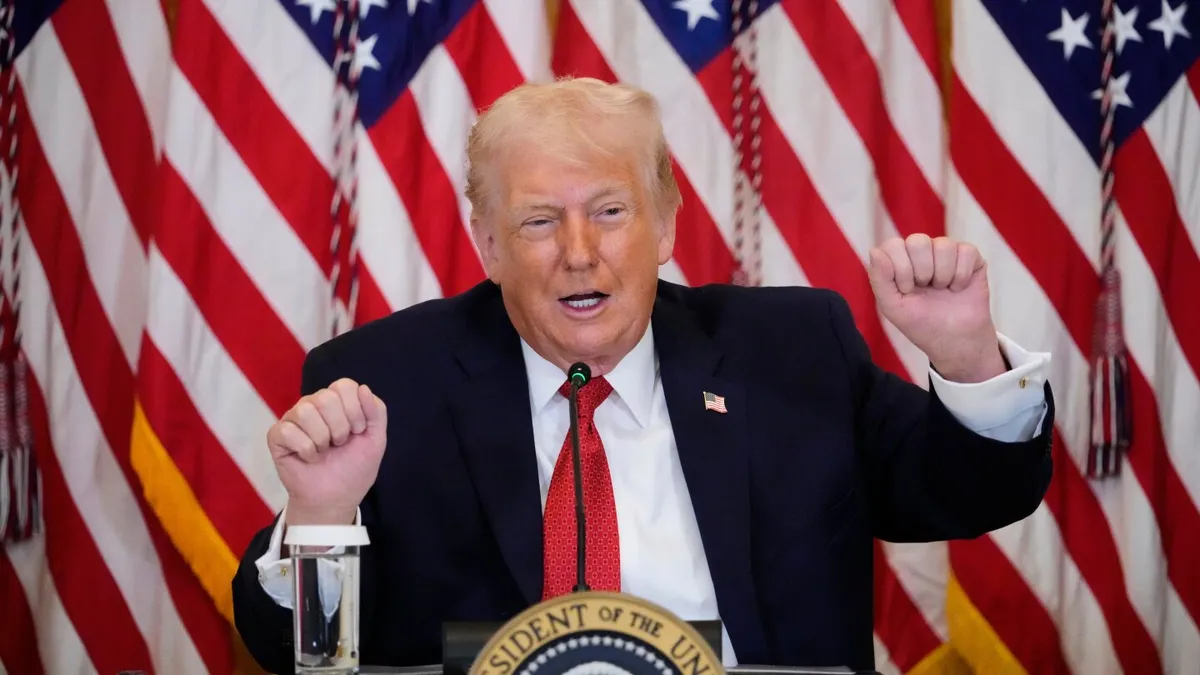
In a controversial move, President Trump suggests applying tariffs on countries that oppose U.S. control of Greenland, igniting tensions with Denmark and raising questions about international diplomacy.
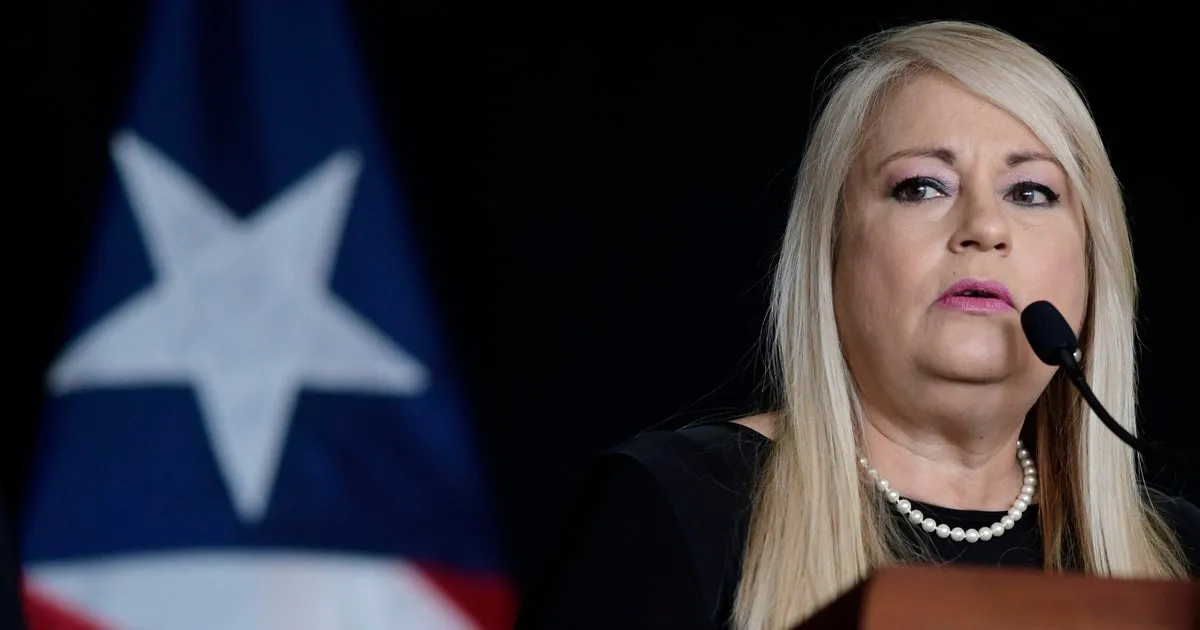
In a surprising move, President Trump plans to pardon former Puerto Rico governor Wanda Vázquez Garced and her co-defendants involved in a federal corruption case. This decision raises questions about political motivations and the integrity of the Justice Department.
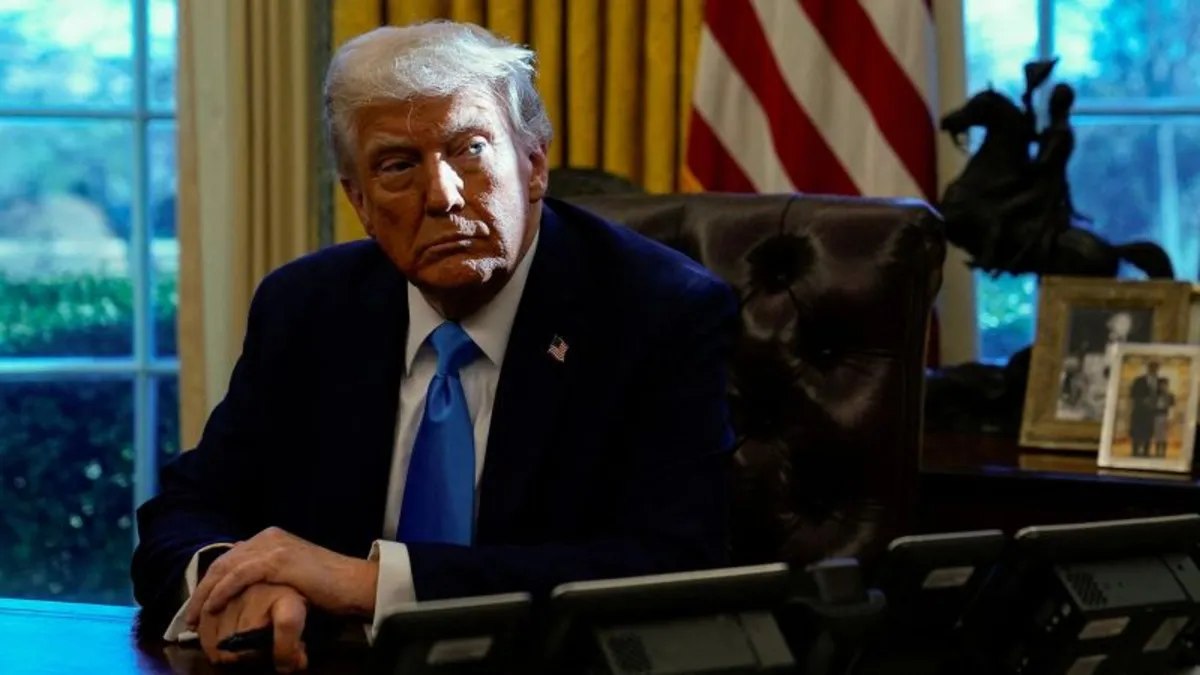
A new CNN poll shows overwhelming disapproval of Trump’s first year back in the White House, with Americans criticizing his focus on wrong priorities and handling of the economy.
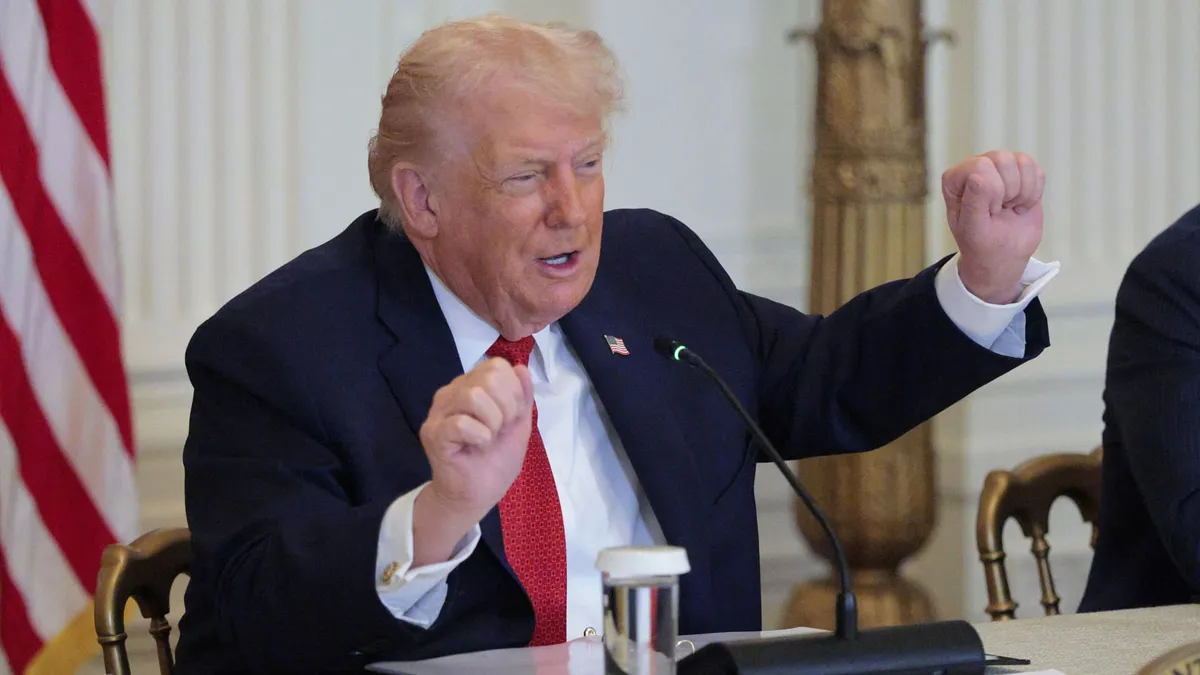
President Trump suggests he may impose tariffs on countries that don't support U.S. claims to Greenland, citing national security concerns. This move reflects his aggressive push to acquire the territory amid ongoing tensions with China and Russia.

In a bold move, the US seized the Motor Tanker Veronica in the Caribbean, marking the sixth tanker linked to Venezuela apprehended recently. This operation highlights escalating tensions between the US and Venezuela.
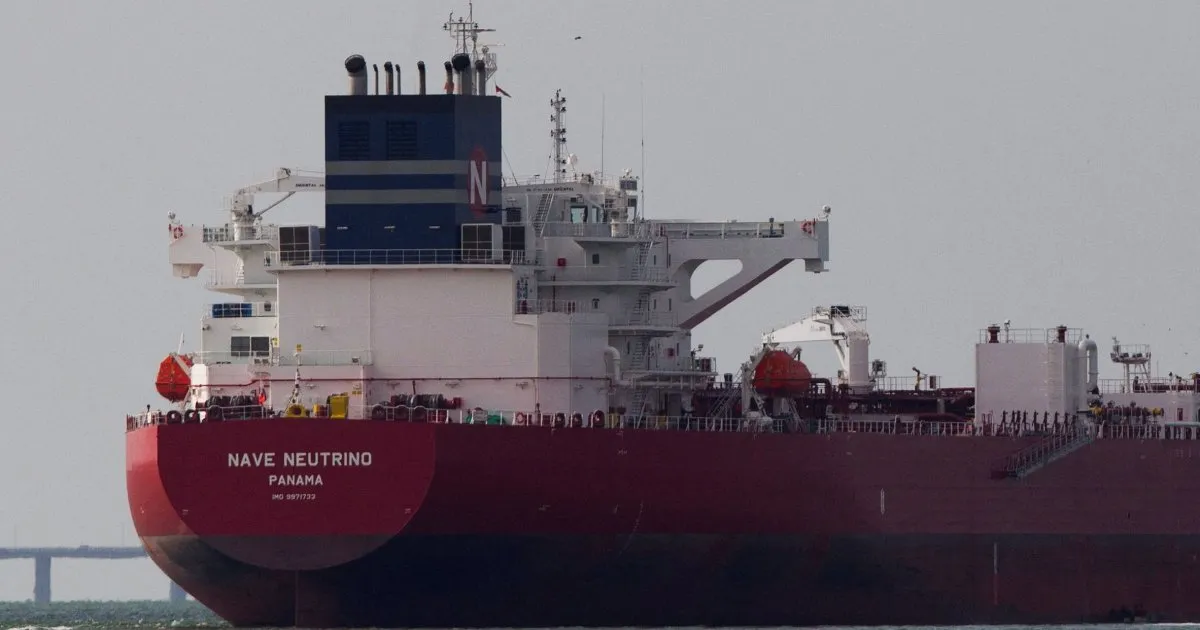
The U.S. is making moves to control Venezuela's oil sector following the abduction of President Nicolas Maduro. Discover the intricacies of crude oil types and what this means for the future of oil production in Venezuela.
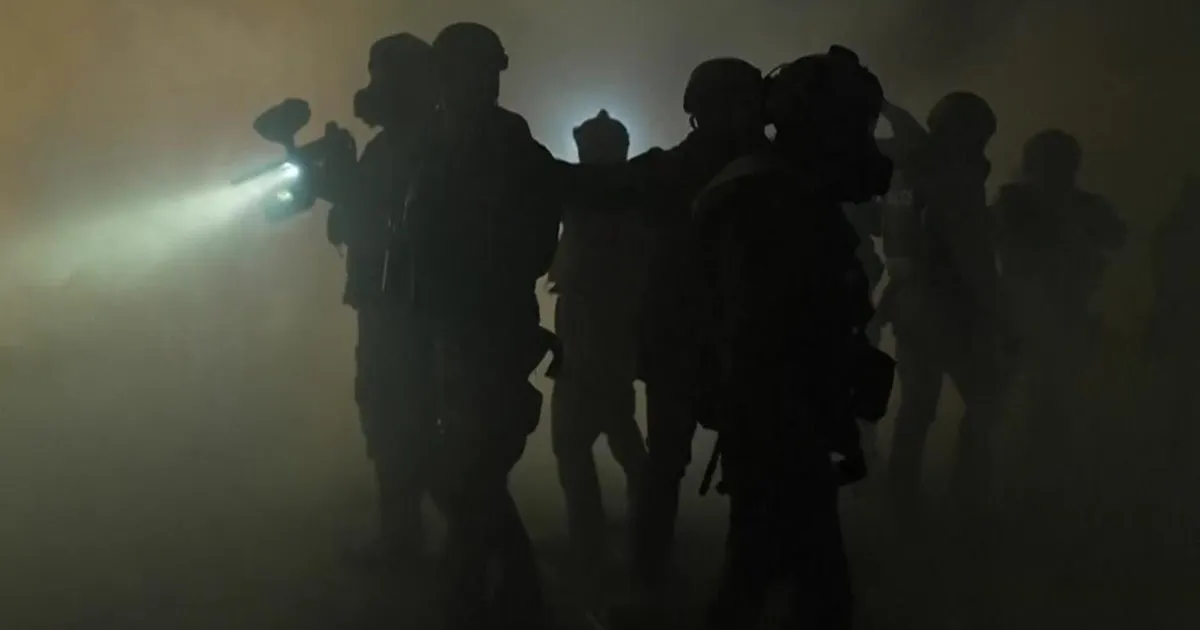
In an unprecedented move, Trump threatens to invoke the Insurrection Act to deploy troops in Minnesota and quell ongoing protests. As tensions rise, what's at stake for the nation?