

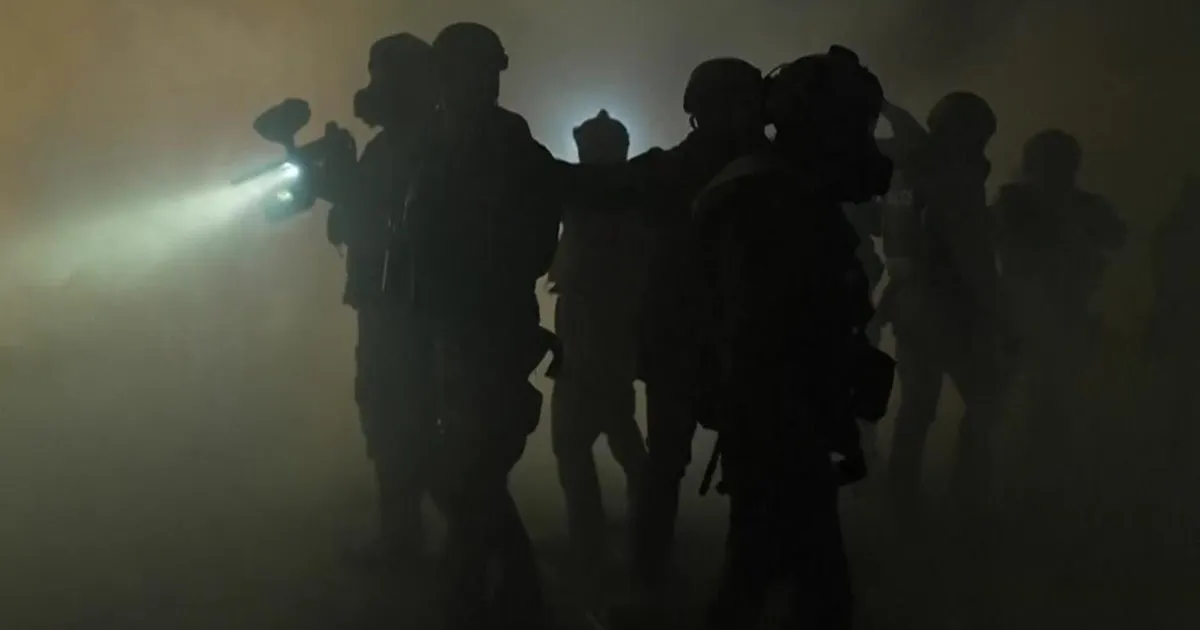
In a recent development, former President Donald Trump has threatened to invoke the Insurrection Act to deploy federal troops to Minnesota. This decision comes amid escalating protests in Minneapolis, which have sparked significant unrest in the area. The Insurrection Act allows the president to mobilize federal forces to suppress civil disorder, making this a critical moment in the ongoing protests.
The protests in Minneapolis began following a series of incidents involving federal officers and local citizens. Tensions have been exacerbated by reports of violence, including shootings that have drawn national attention. The situation has prompted a response from various law enforcement agencies, as well as calls for federal intervention to restore order.
Invoking the Insurrection Act is a significant step that carries substantial risks. Critics argue that such a move could escalate tensions further, leading to more violence and unrest. Legal experts have raised concerns about the implications of deploying troops to handle domestic protests, emphasizing that it could undermine the public's right to peacefully assemble and protest.
In light of Trump's threats, various political figures and community leaders have expressed their opinions. Some support the idea of federal intervention, citing the need for law and order, while others warn that using the Insurrection Act could set a dangerous precedent. The debate continues to unfold, as many are closely watching how the situation in Minneapolis develops.
As tensions rise, the Bureau of Criminal Apprehension (BCA) is conducting an investigation into the latest incidents involving federal officers and protesters. This investigation is crucial in understanding the dynamics of the protests and the actions taken by law enforcement. The findings may have significant implications for both local and federal responses moving forward.
The situation in Minnesota represents a critical crossroads for both the state and the nation. With Trump's potential invocation of the Insurrection Act, the balance between maintaining order and protecting civil liberties hangs in the balance. As developments unfold, the eyes of the nation will remain focused on Minneapolis, where the outcome may set a precedent for future federal responses to domestic unrest.