

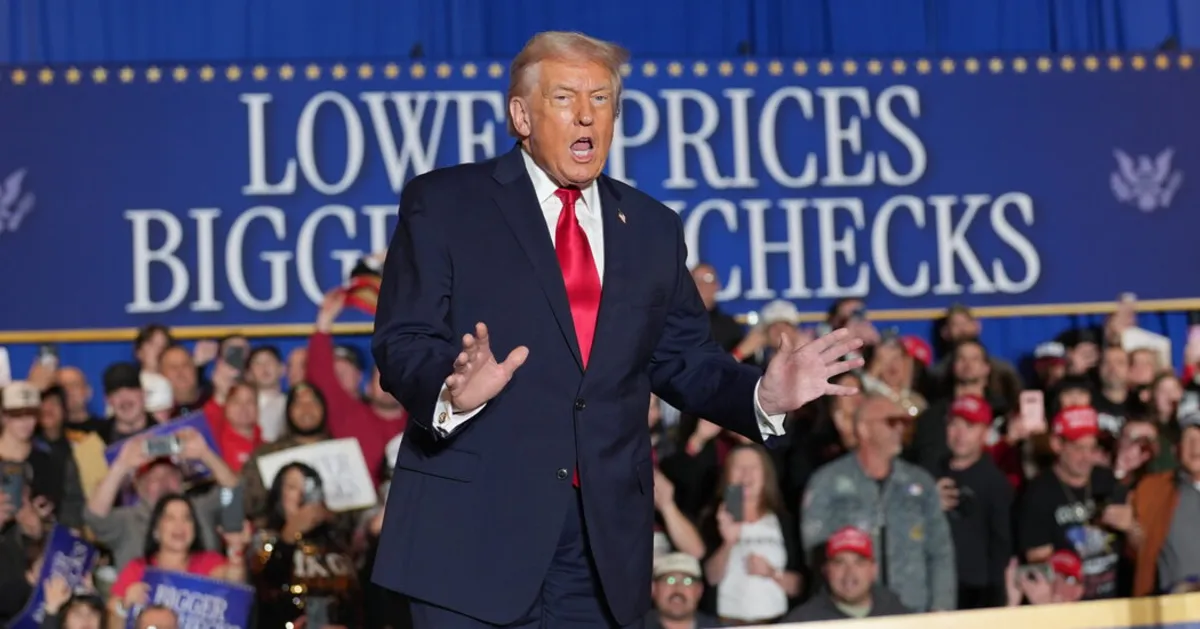
In Mount Pocono, Trump addresses economic concerns with promises of lower prices and bigger paychecks. After announcing a $12 billion farmer bailout, he faces the challenge of rising prices due to his tariffs, which threaten his approval ratings.
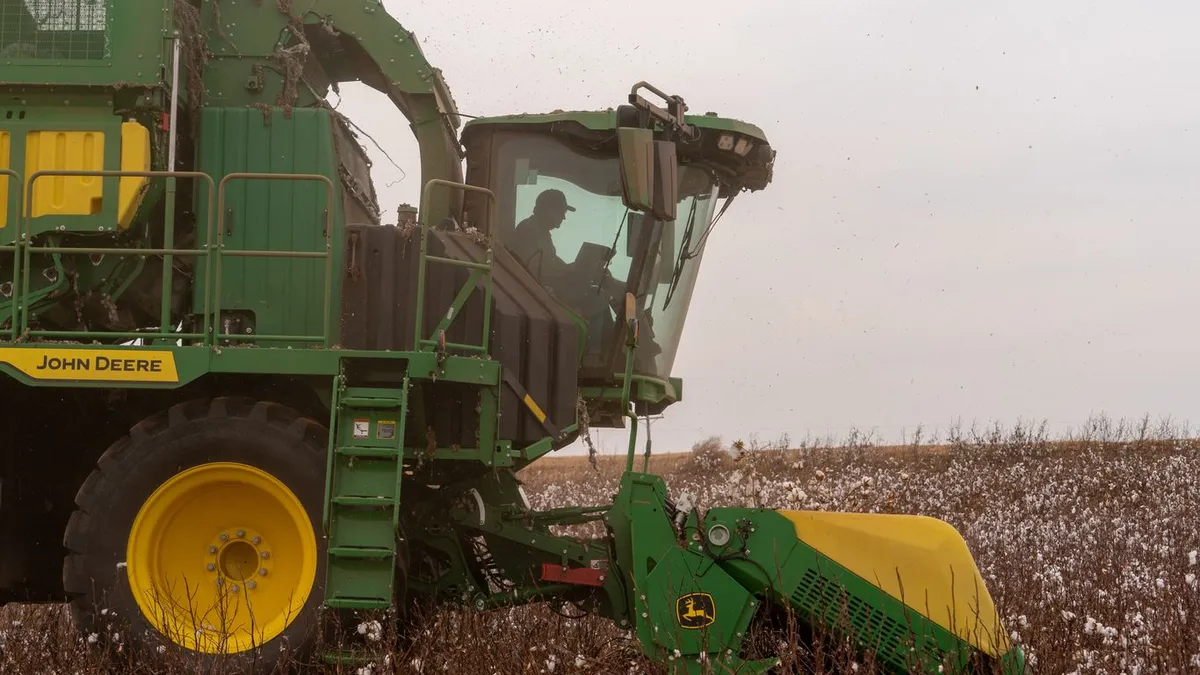
In a move to support U.S. farmers facing financial distress due to Chinese tariffs and falling commodity prices, Trump unveiled a $12 billion aid package. This includes $11 billion for row crop farmers and additional funds for specialty crops, while also promising more soybean purchases from China.
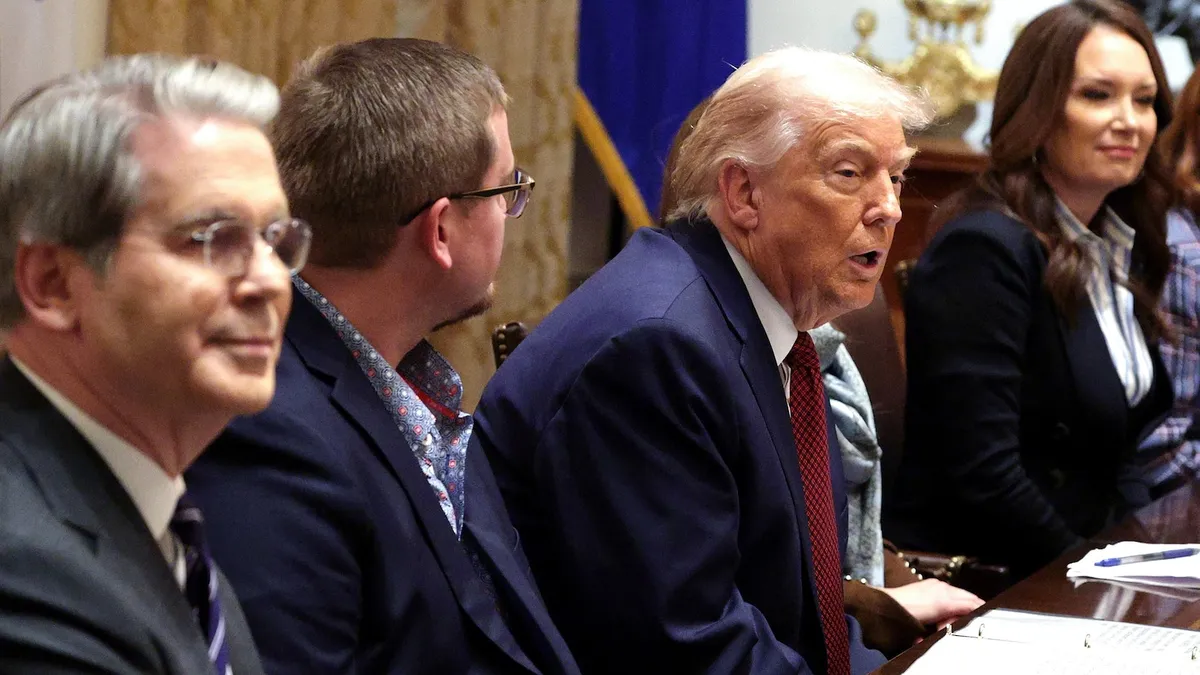
In a surprising announcement, President Trump is allocating $12 billion to support American farmers impacted by his trade policies, including $11 billion for crop farmers. This move aims to stabilize the agricultural sector amid ongoing U.S.-China trade tensions.
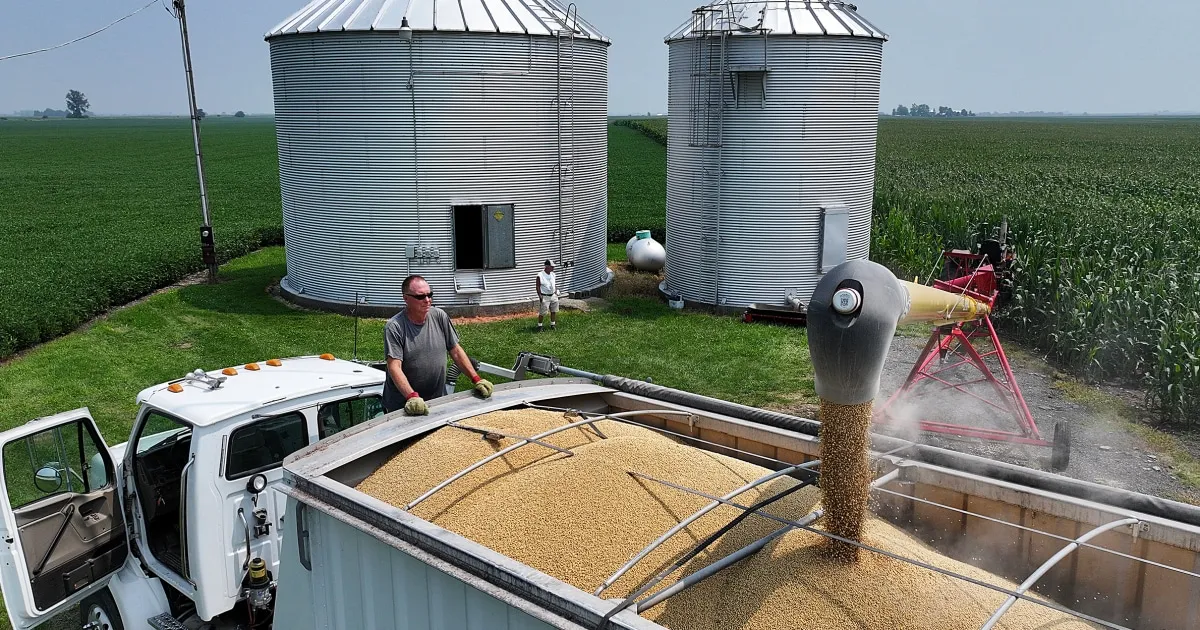
In a surprising move, President Trump announced a $12 billion aid package for farmers, funded by tariff revenues. This relief comes as U.S.-China trade relations improve, with China increasing soybean purchases. Farmers are set to receive payments soon, but some view this as a bailout amidst ongoing challenges.

In a surprising turn of events, Donald Trump's $40 billion support helped Javier Milei secure a stunning victory in Argentina's midterm elections. Analysts debate the impact of Trump's intervention on voter sentiment.

Argentina's recent midterm elections act as a critical referendum on President Javier Milei's radical austerity measures, coinciding with a significant $40 billion bailout package from the U.S.

As Argentina heads to the polls, President Milei's free-market reforms face a critical test. With a potential US bailout hanging in the balance, voters will decide if his austerity measures can continue or if change is needed.

Farm bankruptcies are rising sharply due to plummeting crop prices and ongoing trade disputes, particularly affecting soybean farmers. With government assistance on the horizon, will it be enough to save the struggling agriculture sector?
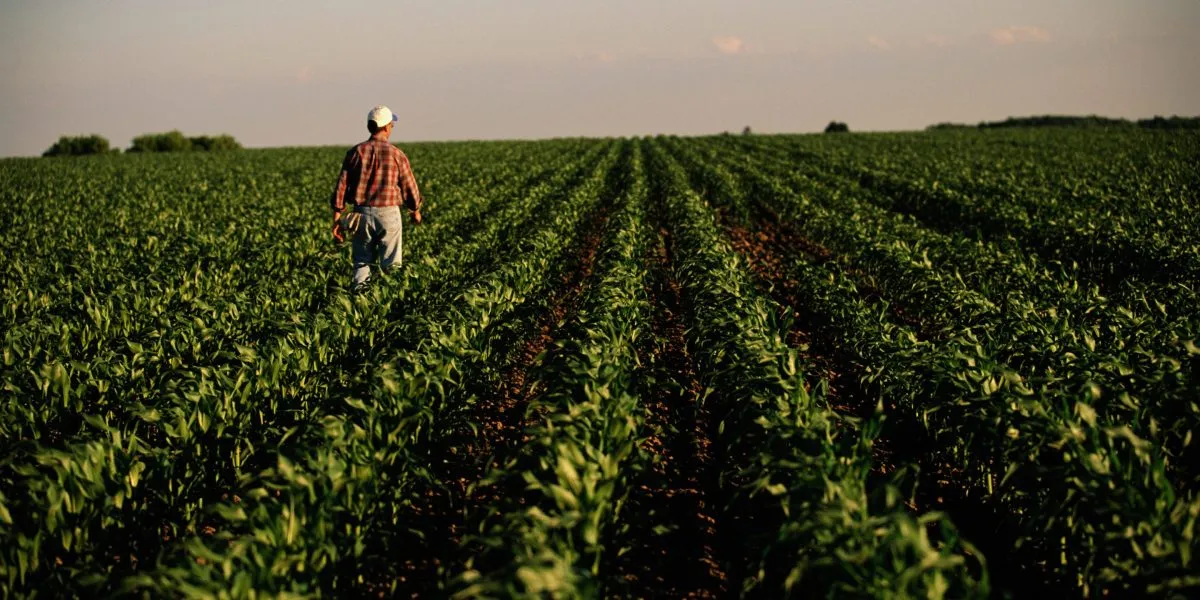
Rural America is reeling as corn and soybean prices drop sharply, leaving farmers in a precarious financial situation. With rising input costs and no resolution in trade talks, what's next for U.S. agriculture?