

In the quiet village of Jabo, Sokoto, a dramatic scene unfolded on Thursday night as Sanusi Madabo, a 40-year-old farmer, was preparing for bed. Suddenly, a loud noise resembling a plane crash pierced the night, prompting Madabo and his wife to rush outside their mud house. They were met with an astonishing sight: the sky was illuminated in a bright red hue, almost as bright as daytime. This unexpected event marked the beginning of a significant U.S. military action against an alleged Islamic State camp in Nigeria.
It wasn't until later that Madabo learned he had witnessed a U.S. airstrike targeting ISIS elements in northwestern Nigeria. U.S. President Donald Trump announced the strikes, emphasizing the move against what he termed "ISIS Terrorist Scum." In a confirmation of the strike's joint nature, the Nigerian government acknowledged its collaboration with the United States. This escalation in military actions comes amid ongoing tensions between the U.S. and Nigeria regarding the country's security situation.
Residents of Jabo expressed their feelings of panic and confusion following the airstrikes. Although attacks from insurgents are common in neighboring areas, Jabo has remained largely untouched. Abubakar Sani, a local resident, recounted the intense heat that approached their homes as the explosion occurred, causing their rooms to shake. "The Nigerian government should take appropriate measures to protect us as citizens," he stated, highlighting the community's vulnerability in the face of such violence.
The recent airstrikes signify a new phase in the complex relationship between Nigeria and the U.S. Following months of diplomatic tensions, which were exacerbated by accusations of a Christian genocide in Nigeria, the two nations have moved towards a cooperative stance. Nigeria's Ministry of Foreign Affairs confirmed that the airstrikes were the result of intelligence sharing and strategic coordination with the U.S. government. Yusuf Tuggar, Nigeria's foreign minister, described the airstrikes as a continuation of an ongoing conflict involving both Christians and Muslims in Nigeria.
While the community grapples with fear, analysts emphasize the urgent need for transparency. Bulama Burkati, a security analyst at the Tony Blair Institute, noted that the lack of information regarding the strikes exacerbates community fears. "What can help in dousing the tension is for the American and Nigerian governments to declare who was targeted, what was attacked, and what has happened so far," he explained. The absence of such information may lead to heightened panic among the local population.
Experts believe the strikes may have specifically targeted the Lakurawa group, a relatively new faction in Nigeria's security landscape. Formed around 2018, this group has been linked to foreign fighters from the Sahel region, although its direct ties to ISIS remain unproven. The Islamic State West African Province, a known affiliate of ISIS operating in Nigeria, has established its stronghold in the northeastern part of the country, complicating the security situation further.
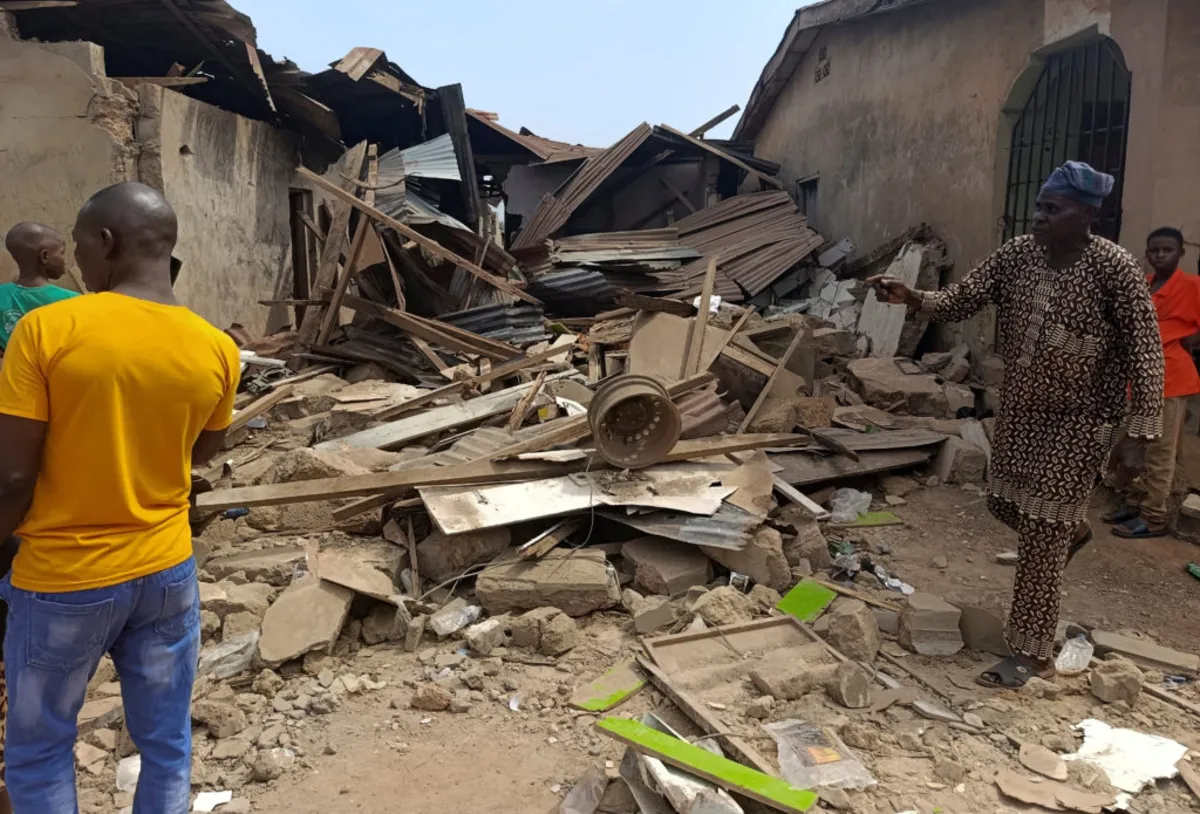
The immediate aftermath of the strikes has left local residents feeling vulnerable. Aliyu Garba, a traditional leader in Jabo, reported that debris from the airstrikes was scattered across the area, prompting residents to rush to the scene before security forces arrived. "People picked up metal pieces hoping for valuable metal which they could trade, and I fear they could get hurt," Garba expressed. The strikes have also created anxiety among villagers, particularly for individuals like Balira Sa'idu, a 17-year-old preparing for her wedding. "I am supposed to be thinking about my wedding, but right now I am panicking," she lamented, reflecting the widespread uncertainty in Jabo.
As the situation unfolds, the local community and the Nigerian government continue to seek answers regarding the airstrikes and their implications for future security in the region. The cooperation between the U.S. and Nigeria could pave the way for more military actions as both countries confront the challenges posed by insurgent groups.