

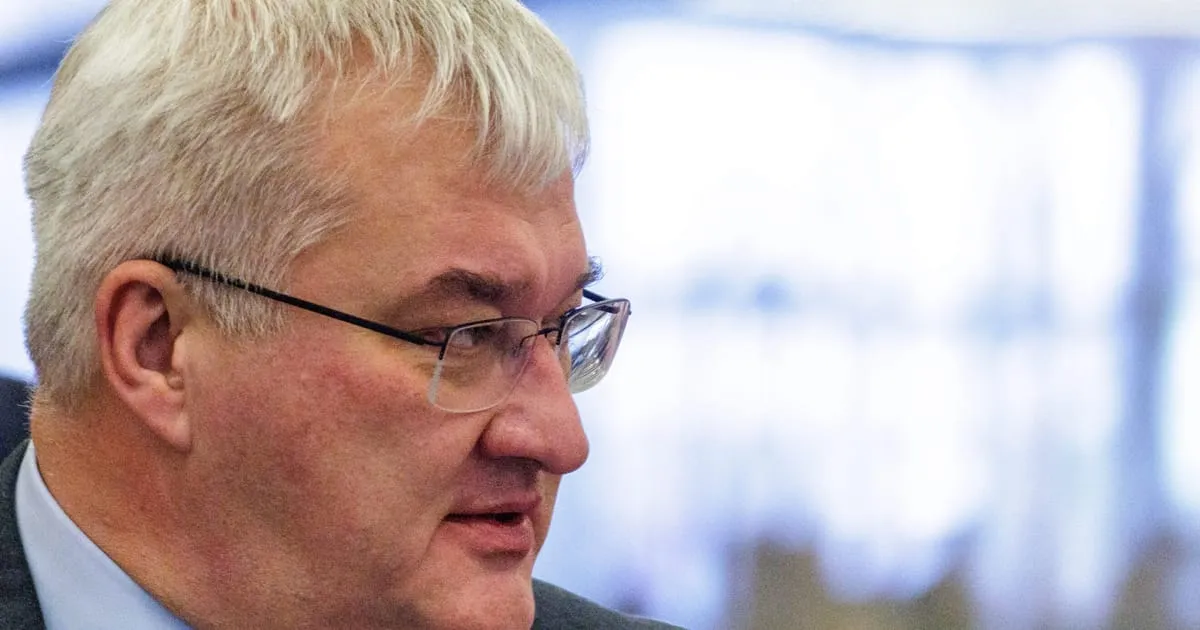
On Tuesday, Ukraine officially condemned Indian Prime Minister Narendra Modi, along with officials from Pakistan and the United Arab Emirates, for endorsing Russia's allegations regarding an alleged attack on President Vladimir Putin's residence. Ukrainian Foreign Minister Andrii Sybiha took to social media platform X to express the country's disappointment, stating that nearly a day had passed without any credible evidence from Russia to support its claims.
Sybiha emphasized that “no such attack happened,” referring to the supposed assault on Putin's residence. He expressed his concerns about the statements made by the Emirati, Indian, and Pakistani representatives, labeling their comments as unwarranted support for Russia's baseless accusations.
On Monday, Russia's Foreign Minister Sergey Lavrov accused Ukraine of launching a coordinated attack involving 91 drones aimed at Putin's official residence located in the Novgorod region, which is strategically situated between Moscow and St. Petersburg. Lavrov further stated that Russian air defense systems had successfully intercepted the drones. In response, Ukrainian President Volodymyr Zelenskyy vehemently denied these claims and accused Russia of attempting to sabotage ongoing peace talks.
Following his meeting with former U.S. President Donald Trump in Florida, Zelenskyy remarked on the situation, asserting that Russia was once again making dangerous statements to undermine diplomatic efforts. He described the accusations as “a complete fabrication” that aimed to justify further attacks against Ukraine, particularly targeting Kyiv, while also revealing Russia's reluctance to engage in meaningful negotiations to end the war.
France appeared to align itself with Zelenskyy’s narrative, as an aide to President Emmanuel Macron stated that there was “no solid evidence” to substantiate the serious accusations made by Russian authorities. The French statement also indicated that the Russian government contradicted itself regarding the incident, suggesting that the allegations were a tactic to disrupt the peace process.
Despite the lack of evidence, Russia's claims prompted swift condemnation from Russia-aligned nations and the United States. The United Arab Emirates’ foreign ministry issued a statement denouncing what it called a “deplorable attack,” while Pakistani Prime Minister Shehbaz Sharif referred to the incident as a “heinous act.” Prime Minister Modi expressed his “deep concern” over the alleged strike, reflecting a broader international anxiety about escalating tensions.
In a phone conversation, Trump revealed that Putin had informed him about the alleged attack, expressing his anger over the situation. “It’s a delicate period of time,” Trump commented, emphasizing that while offensive actions might be expected, attacking Putin’s residence was inappropriate at this juncture. He cautioned that such actions could potentially derail peace negotiations.
Putin reportedly communicated to Trump that Russia would need to reassess its stance in peace discussions, posing a significant setback to the diplomatic progress achieved in recent weeks. Both Trump and Zelenskyy had previously celebrated advancements in U.S. support for Ukraine, including a commitment to provide 15 years of security guarantees.
This unfolding situation highlights the complexities of international diplomacy and the delicate balance of power in the ongoing conflict between Ukraine and Russia. As global leaders navigate these challenges, the stakes remain high for all parties involved.