

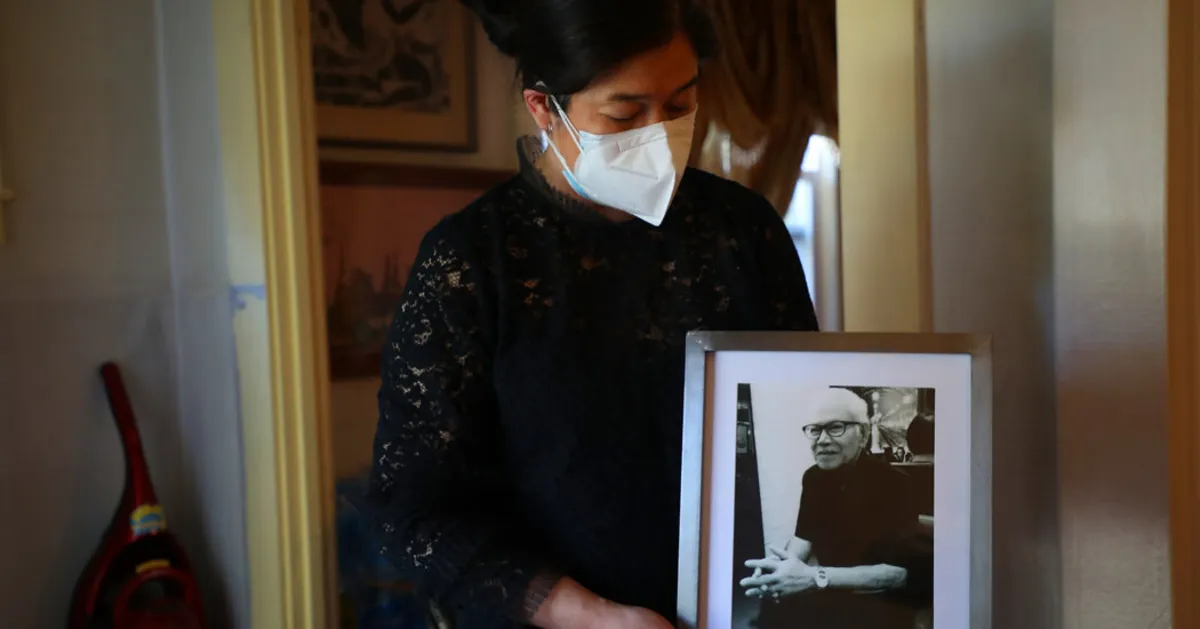
A man caught on video violently shoving an 84-year-old Thai grandfather to the ground in San Francisco in 2021 has been found not guilty of murder and elder abuse. This case has become a significant symbol of the rising attacks against Asians during the coronavirus pandemic. On Thursday, a jury instead found Antoine Watson guilty of lesser offenses, including involuntary manslaughter and assault with force likely to cause injury.
The incident occurred in January 2021 and was captured on security camera footage. The video shows Watson, then 19 years old, charging at full speed into Vicha Ratanapakdee, who was out for his regular morning walk in the Anza Vista neighborhood of San Francisco. Mr. Ratanapakdee, a retired auditor from Thailand, tragically passed away from a brain hemorrhage in the hospital two days after the attack.
The shocking footage quickly went viral, particularly resonating with Asian Americans who saw the killing of Mr. Ratanapakdee, affectionately known as “Grandpa Vicha,” as a manifestation of their fears regarding the safety of older family members. The case highlights the alarming rise in violence against Asian communities during the pandemic, sparking widespread outrage and concern.
The jury is set to hear arguments on aggravating factors later this month, which will precede the scheduling of Watson's sentencing. He could face a maximum of nine years in prison for his actions. Throughout the trial, which commenced in early December, Watson did not deny the act of shoving Mr. Ratanapakdee. However, the jury's verdict ultimately depended on whether Watson had maliciously attacked the elderly man and whether he understood that such actions could lead to fatal consequences.
This case serves as a critical reminder of the ongoing issues surrounding hate crimes and violence against the elderly, particularly within the Asian community. As the trial progresses and sentencing approaches, it remains to be seen how this case will influence discussions around public safety and the protection of vulnerable populations.