

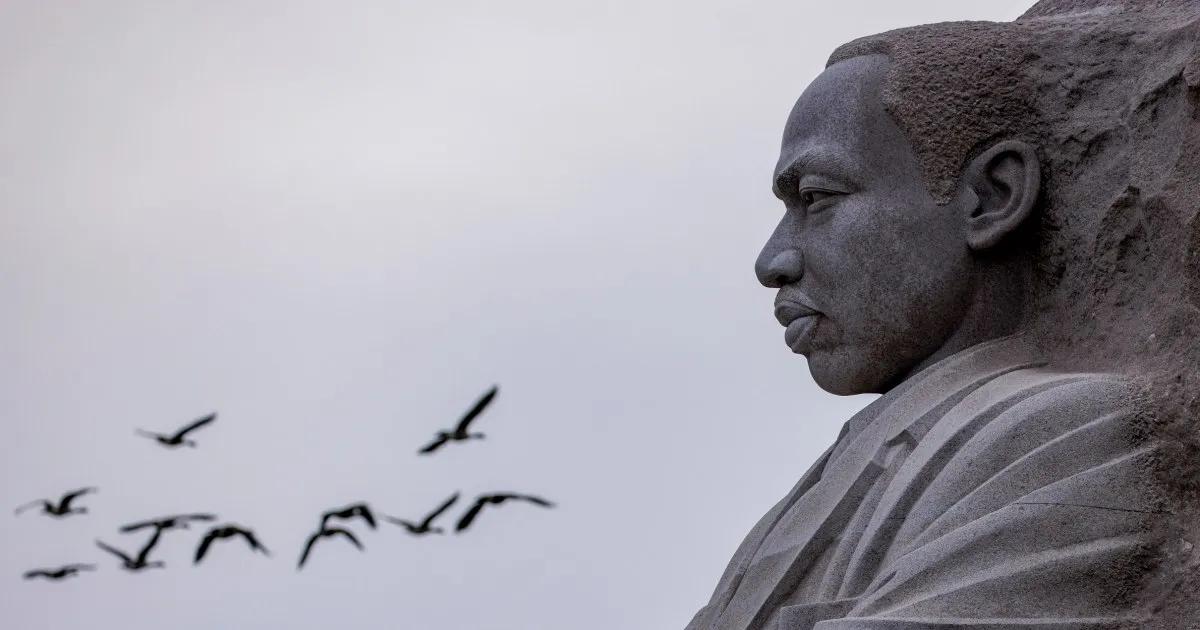
The Trump administration has announced significant changes regarding the days Americans can visit national parks for free in 2026. Notably, the administration has removed Martin Luther King Jr. Day and Juneteenth from the list of fee-free days, while adding President Donald Trump’s birthday, which coincides with Flag Day. These new dates have been designated as “resident-only patriotic fee-free days” by the Department of the Interior, which made this announcement last month.
In addition to the new designation for Trump’s birthday, the 2026 fee-free days now include President’s Day in February, Memorial Day in May, and Independence Day weekend in July. The 110th Birthday of the National Park Service in August and Constitution Day in September are also part of the updated schedule. On the other hand, the administration has removed the anniversary of the Great American Outdoors Act in August and National Public Lands Day in September from the list of fee-free days.
Alongside the announcement of the new fee-free days, the Interior Department, under the leadership of Interior Secretary Doug Burgum, revealed updated prices for annual passes to the nation’s national parks for nonresidents. This move aims to clarify the changes in access to the parks for visitors in 2026 and highlights the importance of these dates for those who wish to experience the beauty of America’s natural landscapes.
Among the updated list of fee-free days is Veteran’s Day, which has previously been recognized as a fee-free day in past years. However, one notable omission from the 2026 list is the first day of National Park Week in April, which has been offered as a free admission day in the past. The National Park Service has communicated that these fee-free days will now apply “only to US citizens and residents,” a shift from previous announcements that allowed free access to all visitors.
The changes have not gone unnoticed, as representatives from the White House, the Interior Department, and the National Park Service did not respond immediately to inquiries regarding the adjustments. Earlier this year, the National Park Service faced backlash for removing content related to Harriet Tubman and the Underground Railroad from its website, although this content was restored in April. These actions are part of a broader initiative by the Trump administration to address content perceived as related to Diversity, Equity, and Inclusion (DEI).
As the nation prepares for the upcoming changes, many park enthusiasts and advocates are eager to understand how these updates will affect access to America’s treasured national parks.