


In a surprising turn of events, Chinese buyers are shunning Venezuelan crude due to a US blockade that's tightening the export market and driving prices up. Discover the implications of this shift!

The arrest of Nicolás Maduro raises critical questions about the future of Venezuela's oil industry. With Chevron and other companies poised for potential gains, experts warn of uncertainty in exports and production.
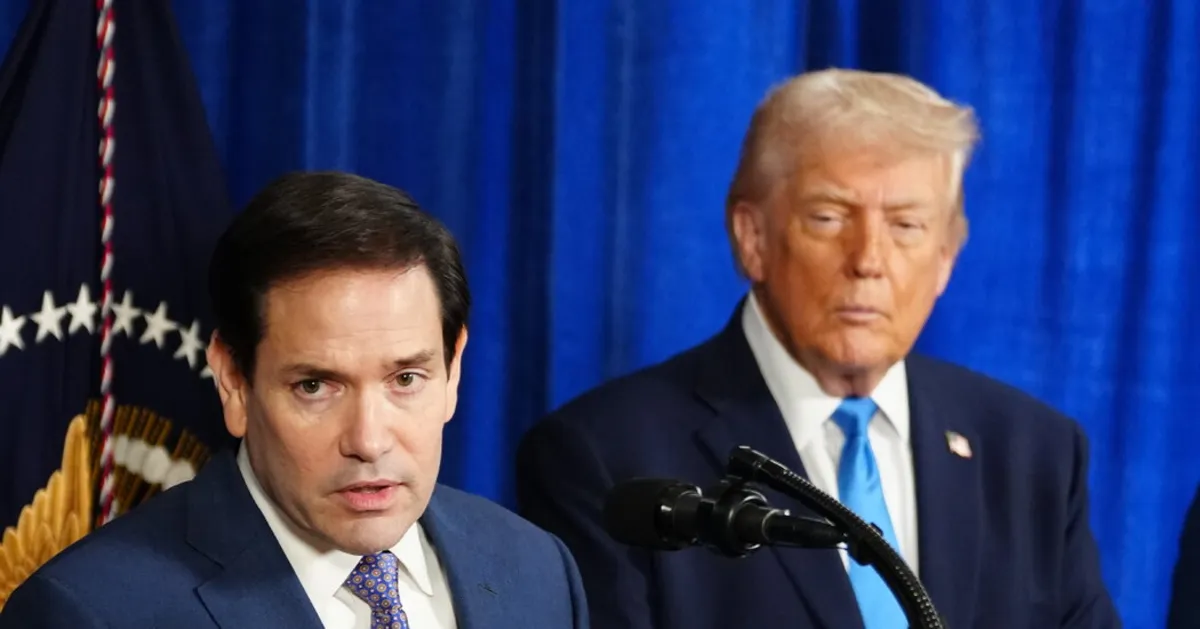
In a recent interview, Secretary of State Marco Rubio clarified President Trump's comments about U.S. control over Venezuela, emphasizing a military quarantine on oil exports instead. The focus is on leveraging policy changes from Maduro's allies without a direct occupation.
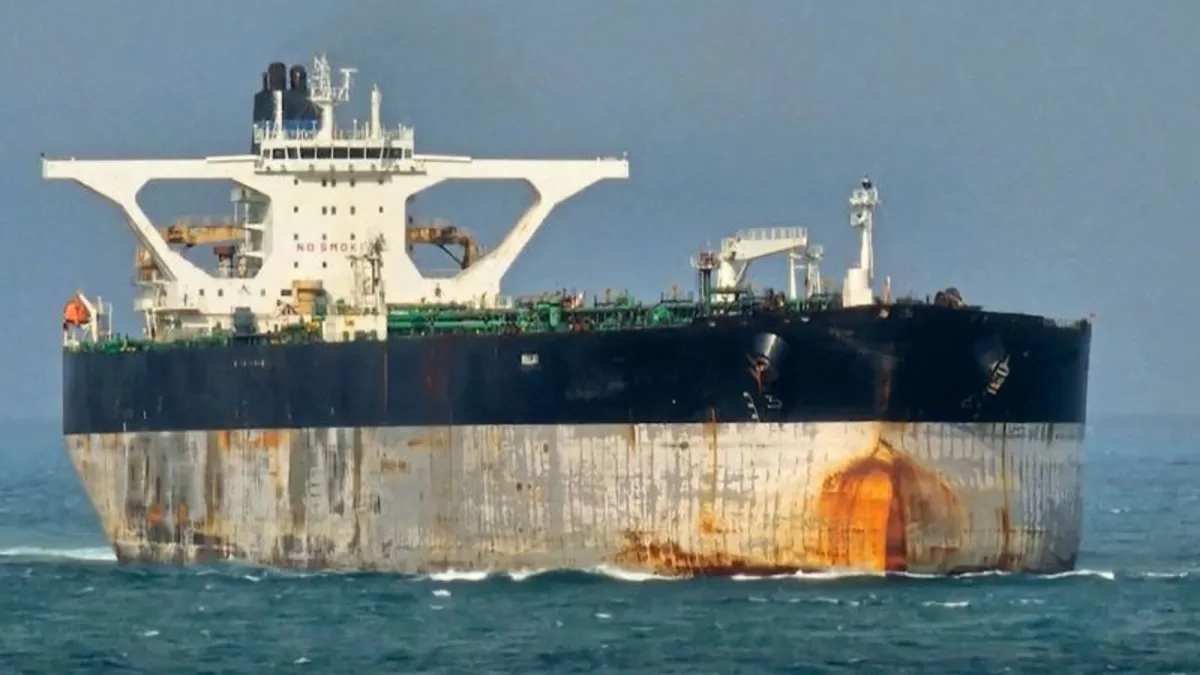
In a bizarre twist, the crew of the Bella 1 oil tanker has painted a crude Russian flag on its hull while being pursued by the US Coast Guard. This act complicates the legalities of seizing the vessel, which is under US sanctions for allegedly shipping Iranian oil. The situation raises questions about the future of US efforts to control Venezuelan oil exports.

In a bold response to Trump's blockade threats, Venezuela's Navy has begun escorting oil ships to Asian markets, raising tensions with the U.S. and complicating the ongoing oil sanctions situation.
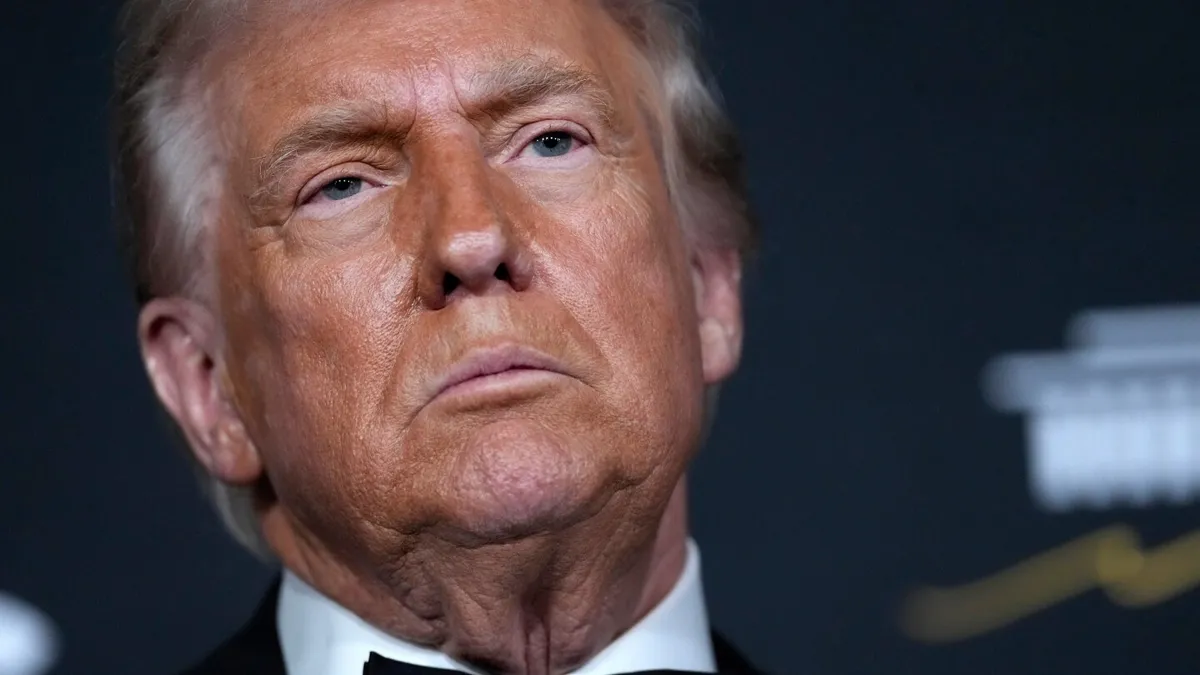
President Trump announces a $12 billion aid package to support farmers struggling from trade war impacts. This funding aims to provide stability amid rising costs and market uncertainties.

In a significant turn of events, China has permitted Dutch chipmaker Nexperia to resume exports, prompting the Netherlands to reconsider its control over the company. This development could alleviate the ongoing global chip shortage impacting automotive production.
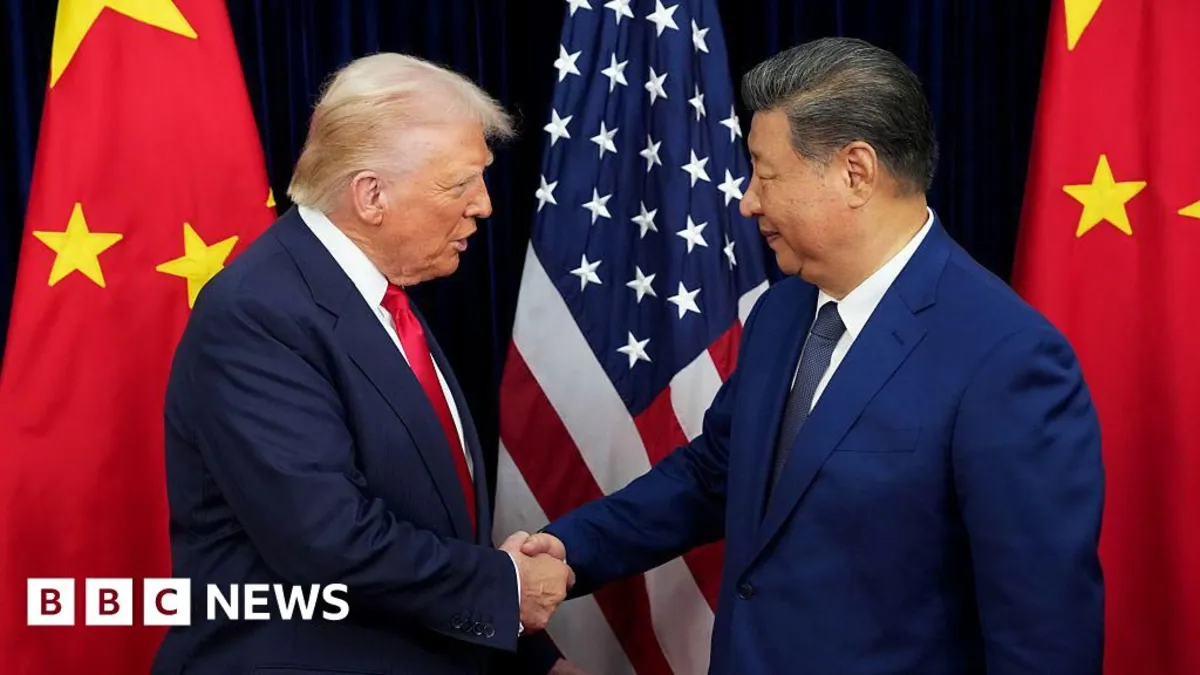
In a landmark agreement, China will lift its export ban on automotive computer chips, crucial for car production worldwide. This trade deal with the US also includes soybean and rare earth minerals, signaling a major de-escalation in the trade war.

In a groundbreaking deal, Trump and Xi have agreed to ease trade tensions between the US and China. Key concessions include halting tariffs and resuming agricultural imports. But is this just a temporary fix?
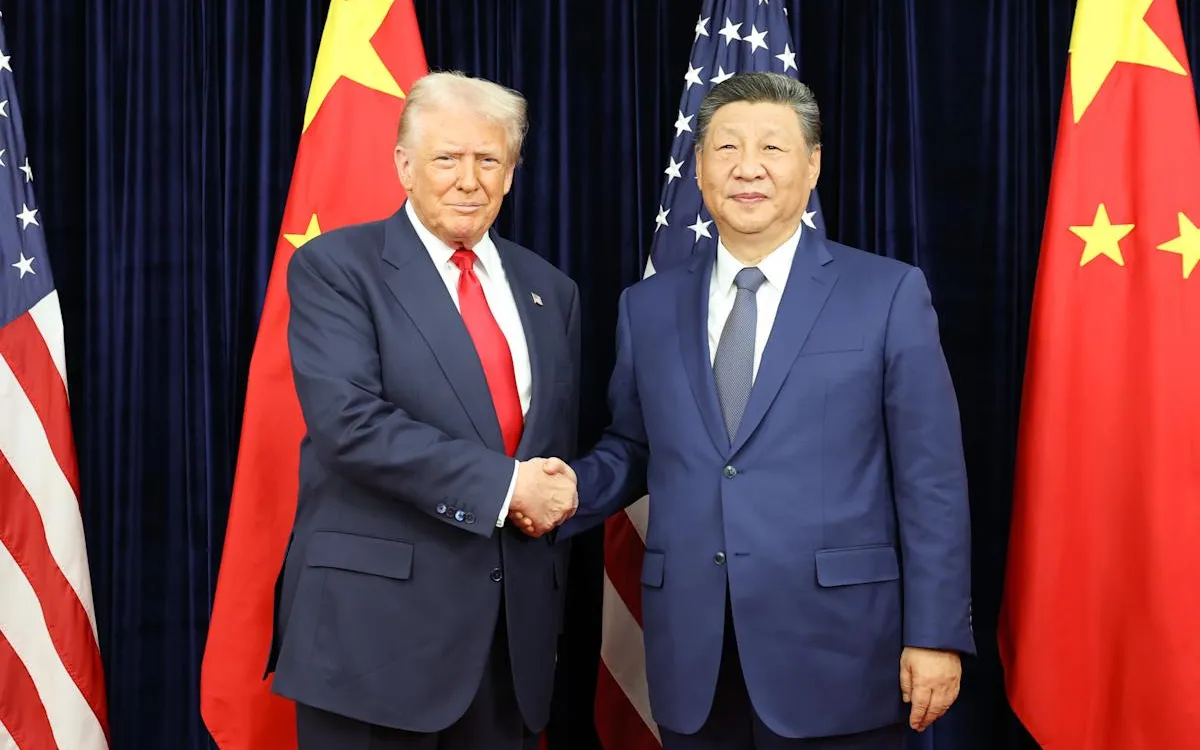
In a surprising turn of events, Trump and Xi have paused tariffs for a year amidst ongoing trade tensions. The leaders discussed critical issues like rare earth metals and AI chip exports, signaling a potential shift in relations.