

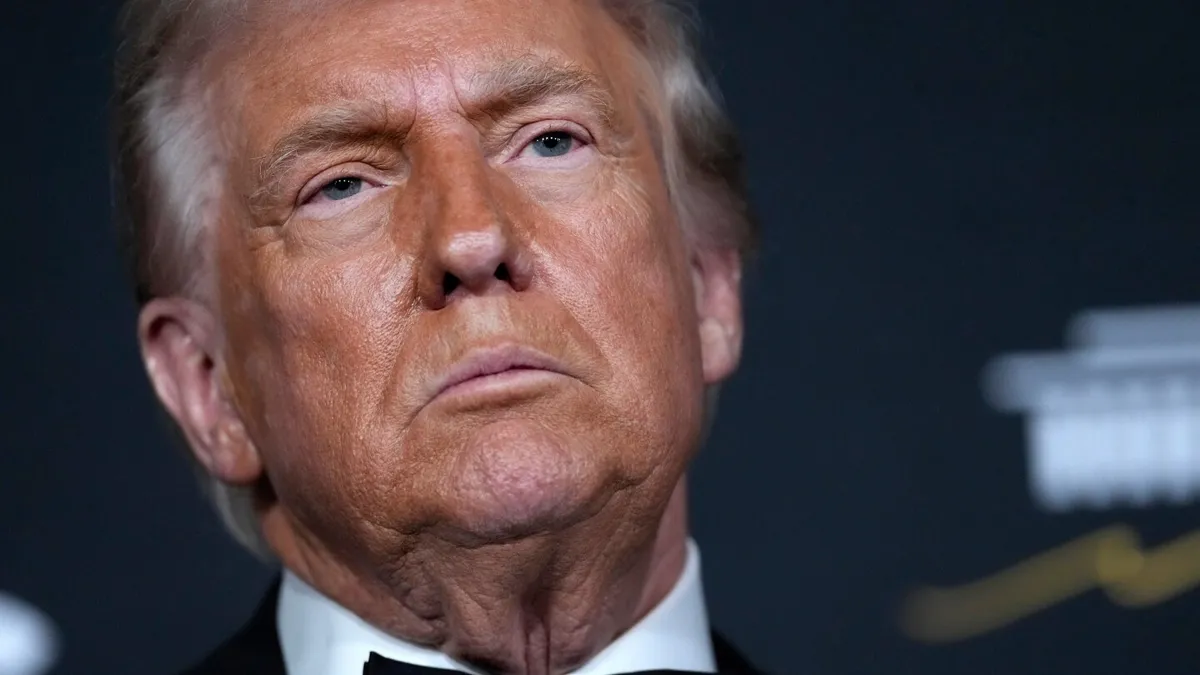
On Monday, President Donald Trump unveiled a significant $12 billion farm aid package aimed at providing much-needed support to farmers grappling with challenging market conditions. The announcement was made during a roundtable discussion at the White House, where Trump was joined by Treasury Secretary Scott Bessent, Agriculture Secretary Brooke Rollins, lawmakers, and a diverse group of farmers, including those who raise cattle and grow various crops such as corn, cotton, sorghum, soybeans, rice, wheat, and potatoes.
“$12 billion is a lot of money,” Trump remarked, emphasizing that this additional aid would help offer certainty for farmers facing rising costs and difficulties in selling their crops. The funding for this package is sourced from tariff revenue, a direct result of the ongoing trade tensions with China.
According to Secretary Rollins, approximately $11 billion will be allocated immediately, while an additional $1 billion is being reserved for specialty crops. This decision is part of the administration's efforts to gain a clearer understanding of the specific challenges these farmers face. Rollins noted that the aid is expected to be distributed by the end of February.
In his explanation of the aid package, Trump stated, “We looked at how they were hurt, to what extent they were hurt. We figured out a very exact number, and it was about $12 billion.” This comprehensive approach aims to address the concerns of farmers who have been adversely affected by Trump's aggressive trade policies.
Farmers have generally supported Trump politically; however, his trade policies and fluctuating tariff rates have drawn criticism due to their impact on the agricultural sector. The aid package is seen as a necessary move to defend Trump's economic record while addressing voter concerns about rising costs—a concern the president has previously dismissed as a Democratic “hoax.”
Of the $12 billion, over $11 billion is designated for the U.S. Department of Agriculture’s Farmer Bridge Assistance program, which is designed to provide one-time payments to farmers growing row crops. The soybean and sorghum sectors have faced the steepest challenges, as more than half of these crops are typically exported, with a significant portion going to China.
This aid is intended to help farmers navigate the fallout from trade wars, inflation, and other market disruptions, offering them the stability needed to sell their current harvests and plan for the upcoming planting season. Despite the announcement, farmers express that while the aid is appreciated, it may only serve as a temporary solution rather than addressing the deeper issues of soaring costs and market uncertainty.
In October, after a meeting between Trump and Chinese leader Xi Jinping, the White House indicated that China had committed to purchasing at least 12 million metric tons of U.S. soybeans by the year's end, with an additional 25 million metric tons annually for the next three years. Despite these promises, soybean farmers have reported minimal sales, highlighting the ongoing challenges they face.
As the agricultural community grapples with these challenges, many farmers are concerned about their long-term viability. The $12 billion aid package, while substantial, represents only a fraction of what is needed to stabilize the industry. Caleb Ragland, a Kentucky farmer and president of the American Soybean Association, stated, “That’s a start, but I think we need to be looking for some avenues to find other funding opportunities.” He emphasized the importance of creating a sustainable market for farmers to thrive without relying on government support.
If the current economic pressures persist, the agricultural landscape may undergo significant consolidation, with larger industrial farms expanding at the expense of smaller family-owned farms. Younger farmers, especially those who rent land, are particularly vulnerable as they often lack the ability to leverage equity for financial support.
Trump is also facing pressure to address soaring beef prices, which have reached record highs due to strong demand, drought conditions affecting U.S. herds, and reduced imports from Mexico. In response, he has indicated a willingness to permit more imports of Argentine beef and has instructed the Department of Justice to investigate potential anti-competitive behavior among foreign-owned meatpackers.
On Saturday, Trump signed an executive order directing the Justice Department and the Federal Trade Commission to examine anti-competitive behavior in food supply chains, including sectors such as seed, fertilizer, and equipment, signaling a potential shift in regulatory oversight aimed at stabilizing the agricultural market.
As the situation continues to evolve, the agricultural sector remains at a critical juncture, balancing immediate aid against the need for long-term solutions to ensure a sustainable future for American farmers.