

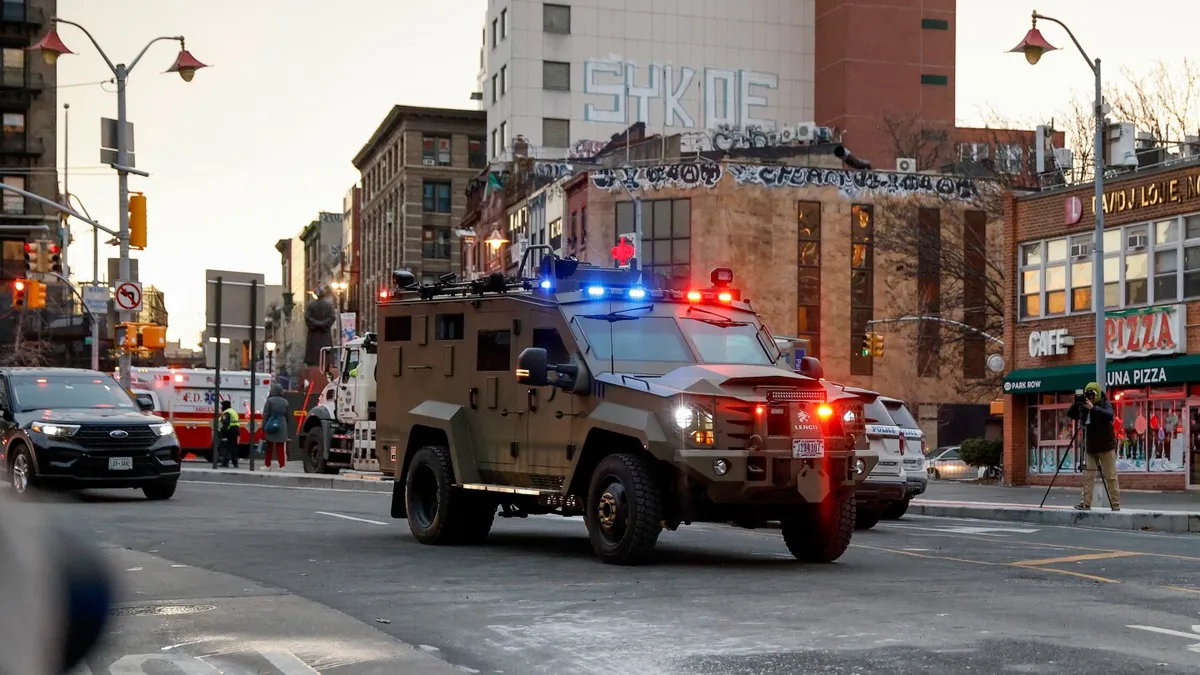
Nicolás Maduro makes a historic appearance in a U.S. courtroom facing serious narco-terrorism charges. As his legal battle begins, tensions rise over his alleged drug trafficking operations and U.S. involvement.

In a shocking incident, respected dentist Spencer Tepe and his wife Monique were found dead in their Ohio home, leaving their young children unharmed. As police investigate the double homicide, the community is left in distress.
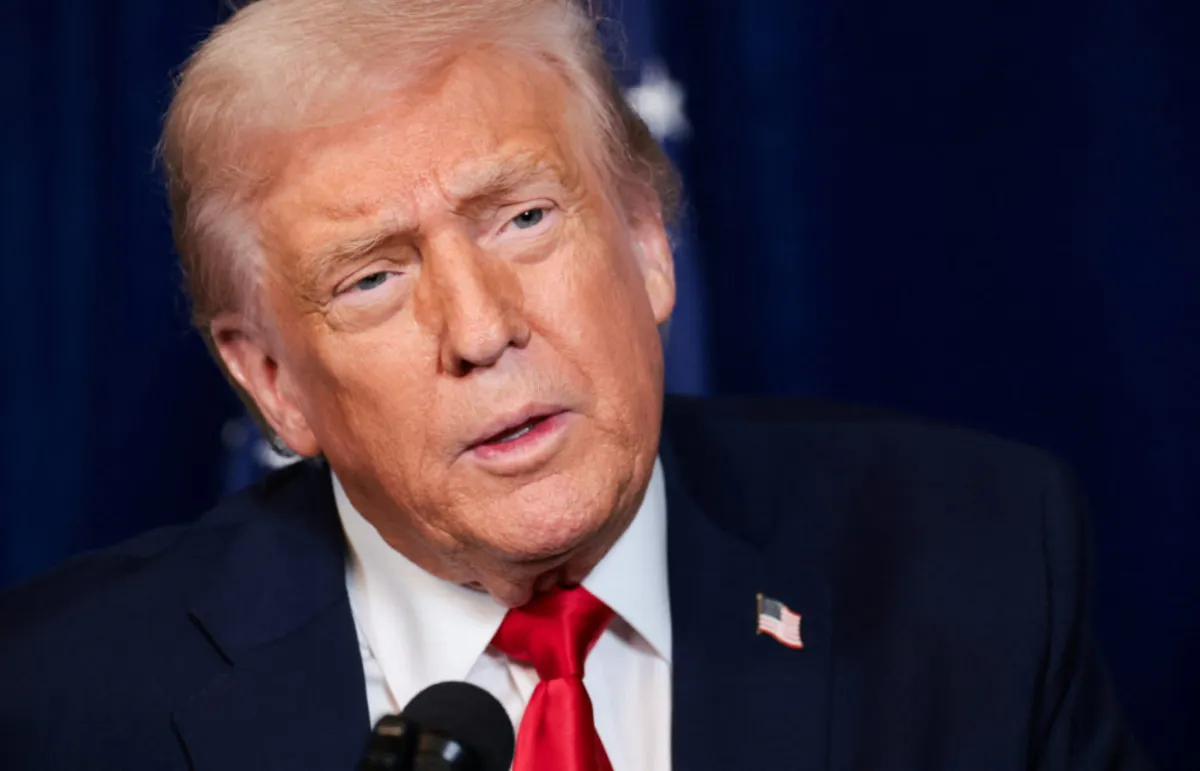
In a surprising turn, President Trump halts his plan to deploy National Guard troops in Chicago, Los Angeles, and Portland due to ongoing legal hurdles. He warns that troops may return as crime rates rise. What does this mean for these cities?
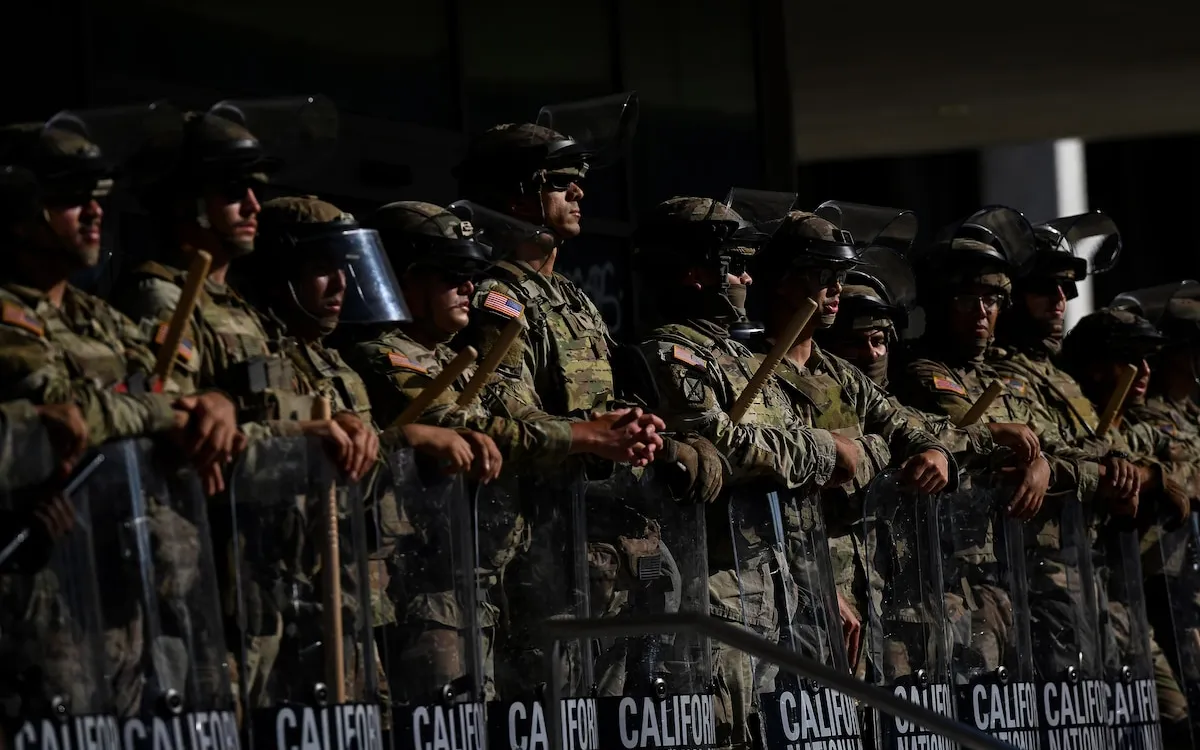
In a controversial move, President Trump has announced the withdrawal of National Guard troops from Chicago, Los Angeles, and Portland. He warns that crime could rise again, hinting at a potential return of military support in the future.

In a significant move towards peace, Thailand and Cambodia have signed a ceasefire agreement to halt weeks of border fighting over territorial claims. The deal includes military restrictions and the repatriation of Cambodian soldiers.

In a shocking turn of events, the suspect in the Brown University shooting that left two dead and nine injured has been found dead in a New Hampshire storage facility, reportedly from a self-inflicted gunshot wound.
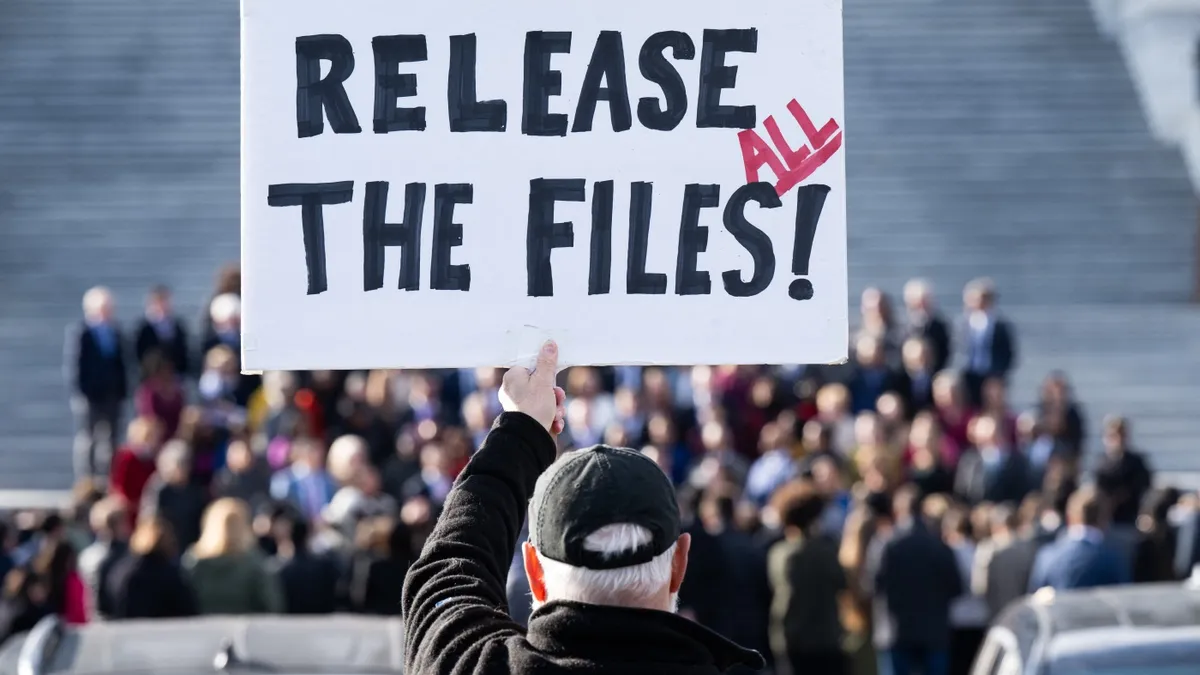
The Justice Department is set to release critical files related to Jeffrey Epstein's criminal activities. With over 300GB of data and potential names of sex crime suspects at stake, the political implications are significant.
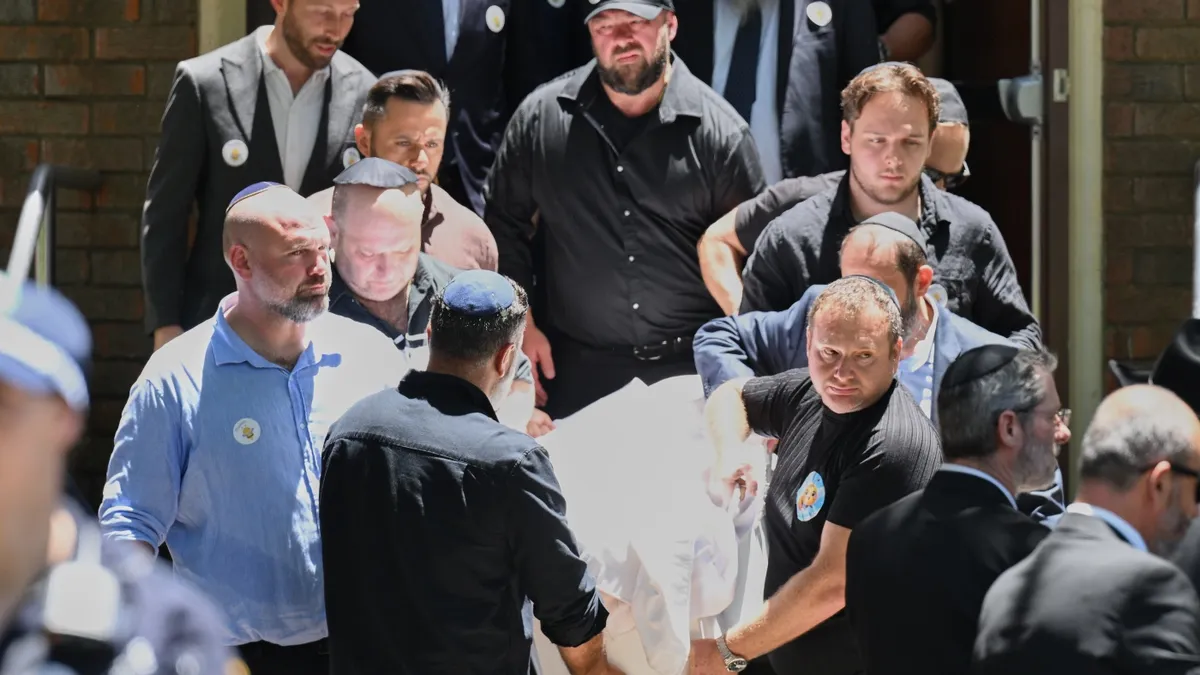
Hundreds mourn the tragic loss of 10-year-old Matilda, who was gunned down in an antisemitic attack during a Hanukkah celebration. The incident has ignited a national conversation about hate crimes in Australia.
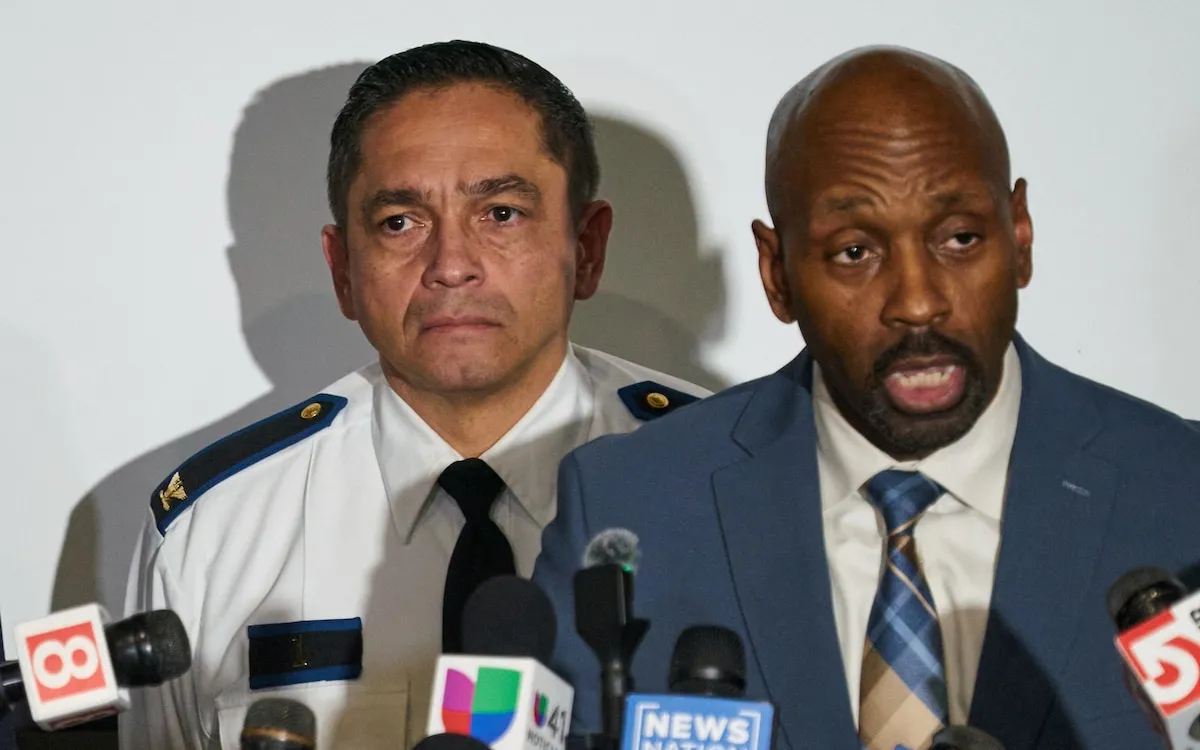
Authorities have released new images of a person of interest in the Brown University shooting, focusing on a stocky man last seen near campus. Could this be the breakthrough they need?
In a landmark decision, the President has officially classified illicit fentanyl as a weapon of mass destruction, citing its lethal potential and the threats posed by drug cartels. This order aims to bolster national security and combat the fentanyl crisis impacting countless Americans.