

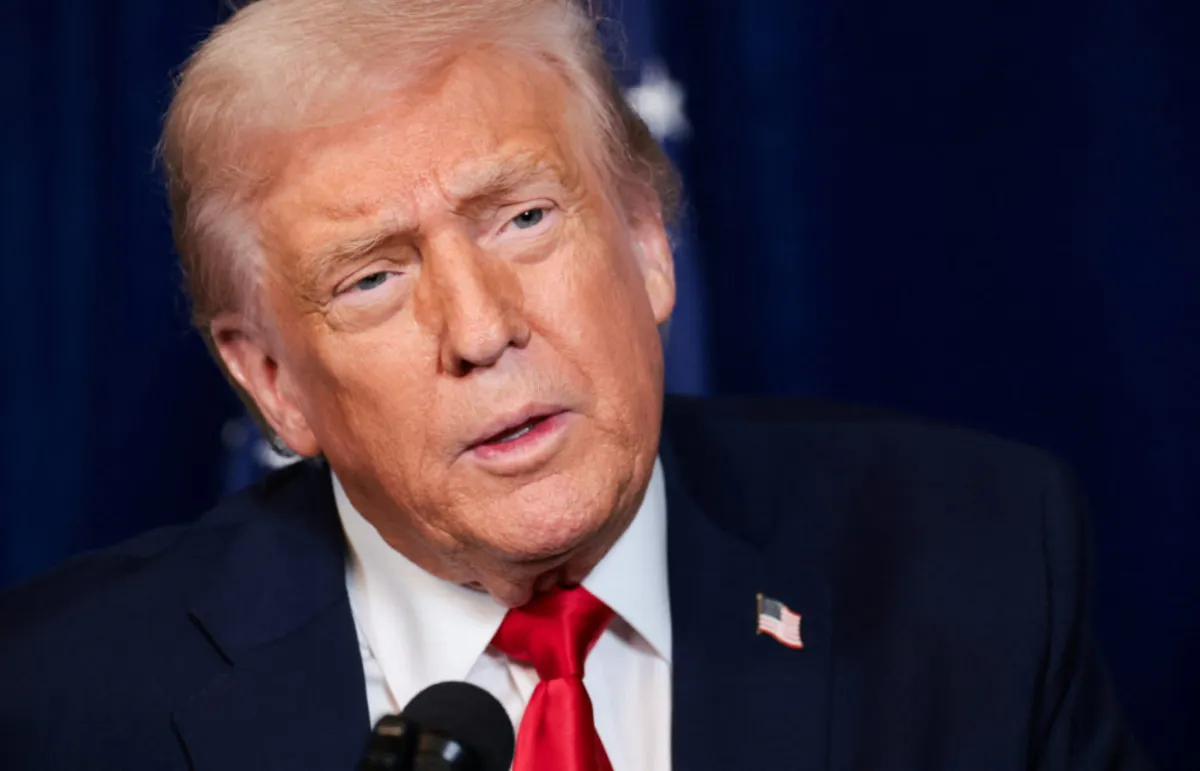
In a recent announcement, President Donald Trump revealed that he is temporarily halting his initiative to deploy National Guard troops in major cities such as Chicago, Los Angeles, and Portland, Oregon. This decision follows numerous legal challenges that have hindered the deployment process. In a social media post on Wednesday, Trump stated, “We will come back, perhaps in a much different and stronger form, when crime begins to soar again - Only a question of time!”
Earlier this year, Trump had initiated the deployment of National Guard troops to combat rising crime rates and address immigration issues. However, while troops were sent to Chicago and Portland, they never actually took to the streets due to ongoing legal disputes. In contrast, troops in Los Angeles had already returned home after being deployed earlier this year as part of Trump's broader law enforcement strategy.
The push to deploy the National Guard in Democrat-led cities has faced significant legal hurdles. In December, the Supreme Court rejected a request from the Trump administration to allow the deployment of troops in the Chicago area, marking a notable setback for his immigration crackdown efforts. This ruling was not a final decision, but it represented a significant obstacle for the president.
Additionally, District of Columbia Attorney General Brian Schwalb filed a lawsuit aimed at stopping the deployment of over 2,000 guardsmen in the nation's capital. In Oregon, a federal judge issued a permanent injunction blocking the deployment of National Guard troops there as well.
As of December 15, California National Guard troops had been removed from the streets of Los Angeles following a court ruling. An appeals court had previously paused a separate order that required control of the Guard to revert back to Governor Gavin Newsom. In a recent court filing, the Trump administration announced it would no longer seek a pause in that order, allowing for the complete return of California National Guard troops to state control after they were federalized in June.
The decision to drop the deployment of National Guard troops for now highlights the complex interplay between federal authority and state legal challenges. As Trump indicated, there may be future attempts to mobilize troops in these cities, particularly if crime rates escalate. The ongoing legal battles illustrate the contentious nature of this issue, as well as the broader implications for law enforcement and public safety in America.
As always, a free press remains essential in fostering a healthy democracy. Supporting trusted journalism and civil dialogue is crucial as these events continue to unfold.