

Former President Donald Trump has put forth a controversial proposal suggesting that US taxpayers could potentially reimburse energy companies tasked with repairing critical infrastructure in Venezuela for oil extraction and shipping. During a recent statement, Trump acknowledged the substantial financial investment required to boost oil production in Venezuela following the ousting of its leader, Nicolás Maduro.
“A tremendous amount of money will have to be spent, and the oil companies will spend it, and then they’ll get reimbursed by us or through revenue,” Trump stated, highlighting the significant financial commitment necessary to revitalize the Venezuelan oil sector.
In line with Trump's vision, US Energy Secretary Chris Wright is scheduled to meet with representatives from major oil companies, including Chemron, ConocoPhillips, and ExxonMobil, at the Goldman Sachs Energy, Clean Tech & Utilities Conference in Miami later this week. These meetings are crucial for the Trump administration as it seeks to facilitate the return of top oil companies to Venezuela, a nation that, nearly two decades ago, nationalized US-led energy operations.
Despite Trump's assertions over the weekend that he had already held discussions with "all" the US oil companies regarding Maduro's removal, reports from Reuters indicate that none of the three major oil companies have initiated conversations with the administration on this matter. “Nobody in those three companies has had conversations with the White House about operating in Venezuela, pre-removal or post-removal to this point,” a source revealed.
The upcoming meetings are pivotal for the administration's ambitions to enhance Venezuela's oil production and exports of heavy crude. Venezuela, a former OPEC member, boasts the world's largest oil reserves, and its crude oil is particularly suitable for processing by American refineries. However, achieving significant production increases will demand years of investment and infrastructure development, which industry analysts estimate could cost billions of dollars.
Currently, Venezuela produces an average of about 1.1 million barrels of oil per day, a sharp decline from the 3.5 million barrels produced in 1999 before the government takeover of the domestic industry.
While it remains unclear which executives will attend the upcoming meetings, there is speculation about whether the oil companies will participate individually or as a group. The White House has expressed confidence in the readiness of the US oil industry to invest in Venezuela. White House spokesperson Taylor Rogers stated, “All of our oil companies are ready and willing to make big investments in Venezuela that will rebuild their oil infrastructure, which was destroyed by the illegitimate Maduro regime.”
However, Exxon, Chemron, and ConocoPhillips have yet to respond to requests for comment from Reuters regarding their plans in Venezuela.
In a subsequent interview with NBC News, Trump clarified that while the administration had not briefed any oil companies before the military operation, discussions had occurred around the concept of potential intervention. “The oil companies were absolutely aware that we were thinking about doing something,” he noted, although he suggested it was “too soon” to confirm whether he had engaged directly with executives from the three companies.
Trump expressed optimism that the largest US oil companies would invest significantly to enhance Venezuela’s oil production, which has plummeted to roughly a third of its peak output over the past two decades due to underinvestment and sanctions. However, industry analysts warn that plans to revive production will face obstacles including inadequate infrastructure and lingering uncertainty regarding the country’s political landscape, legal framework, and long-term US policy.
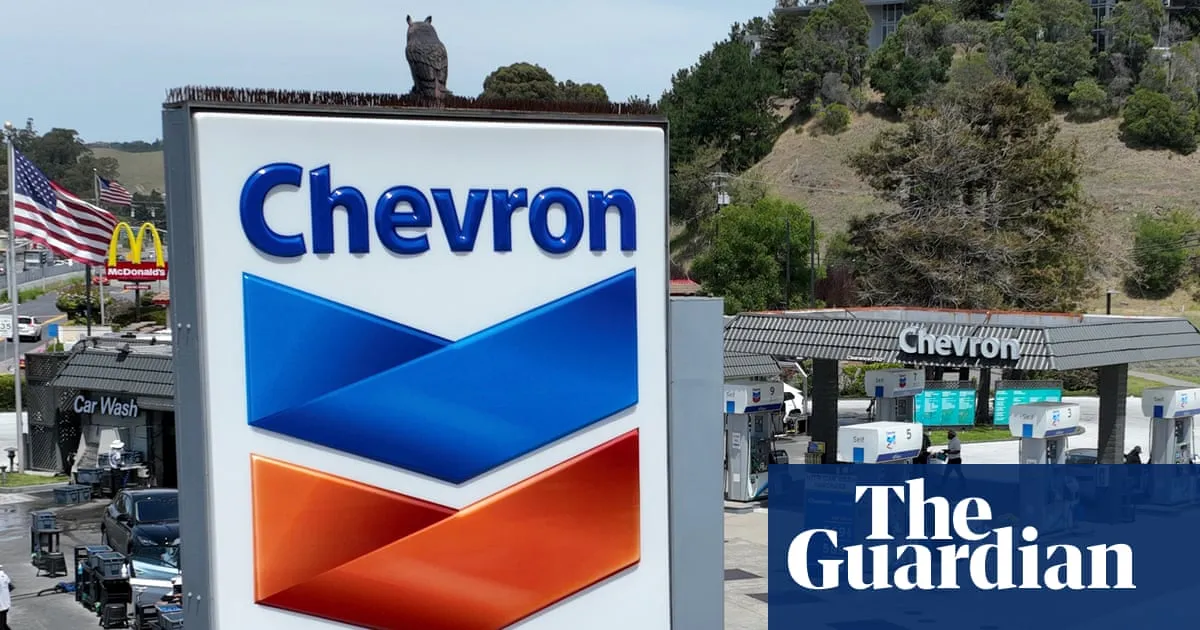
At present, Chevron is the only major US oil company operating in Venezuela’s oil fields, while Exxon and ConocoPhillips previously operated in the country before their assets were nationalized by former President Hugo Chávez. Following the developments, the S&P 500 energy index experienced a notable upswing, reaching its highest point since March 2025, with Exxon Mobil shares rising by 2.2% and Chevron’s shares jumping by 5.1%.