

Farmers across the United States are facing a particularly challenging year, grappling with falling prices for staple crops such as corn and soybeans, alongside soaring input costs for essential supplies like fertilizer and seeds. The economic landscape has been further complicated by the implementation of Trump tariffs and the dismantling of USAID, which have significantly impacted profitability in the agricultural sector. As the month comes to a close, many farmers are anxiously anticipating the expiration of enhanced subsidies that have been vital for securing health insurance coverage.
James Davis, a 55-year-old farmer from north Louisiana who cultivates cotton, soybeans, and corn, expressed deep concerns about the future of his health coverage. With premiums expected to quadruple to approximately $2,700 per month, Davis stated, "You can't afford it. Bottom line, there's nothing to discuss. You can't afford it without the subsidies." This sentiment resonates with many in the agricultural community, as more than a quarter of the agricultural workforce relies on the individual marketplace for health insurance, significantly higher than the national average of just 6% for U.S. adults.
Farmers are accustomed to facing numerous challenges, including unpredictable weather and fluctuating commodity prices. However, the potential loss of enhanced subsidies, combined with the current economic conditions, could render health coverage unattainable for many. Without significant intervention from lawmakers in Washington, farmers may have to choose between remaining uninsured or abandoning their farming careers for jobs that provide health insurance benefits.
Farming is inherently dangerous, exposing workers to numerous hazards. Agricultural workers spend extensive time outdoors and face risks while operating heavy machinery, handling toxic chemicals, and managing large animals. The statistics are alarming: work-related deaths among farmers are seven times higher than the national average. Additionally, a study conducted by the University of Nebraska Medical Center revealed that the average cost of a farming injury amounts to $10,878 in medical care and $4,735 in lost wages.
Florence Becot, a rural sociologist and associate professor at Pennsylvania State University, emphasizes the necessity of comprehensive health insurance for farmers, citing her research indicating that over 20% of U.S. farmers carry medical debt exceeding $1,000. Furthermore, more than half of farmers are not confident they could finance the costs associated with a major illness or injury, highlighting a troubling level of vulnerability within the farming community.
The mental health of farmers is another critical issue. Studies show that farmers are approximately twice as likely to die by suicide compared to the general population. Mental health hotlines serving rural communities have reported a significant increase in calls this year. The combination of heightened emotional distress and rising bankruptcies evokes memories of the devastating farm crisis of the 1980s, which led to numerous foreclosures and tragic losses of life.
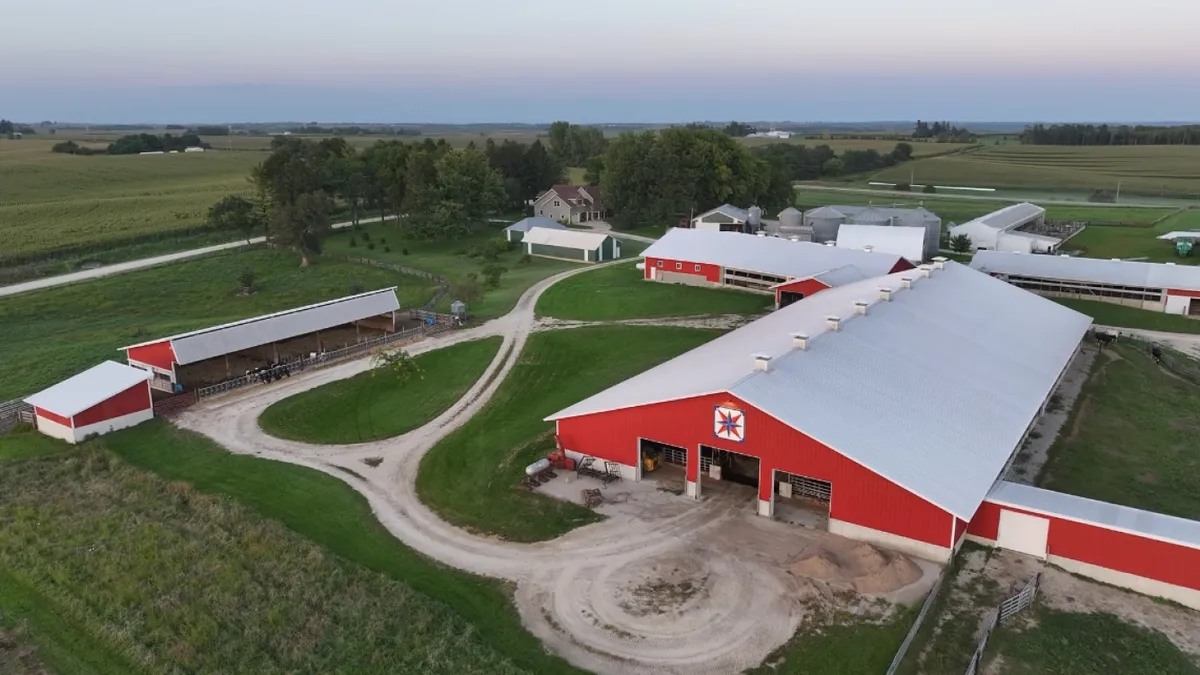
Meghan Palmer, who operates a dairy farm in northeast Iowa with her husband, John, shares similar concerns. Despite a reluctance to rely on government-subsidized insurance—"We're not handout takers," Palmer states—over 40% of dairy farmers lack health insurance, representing one of the highest uninsured rates in agriculture. The Palmers have experienced the financial burden of being uninsured firsthand, recalling significant out-of-pocket expenses after unexpected health crises during their first year of marriage.
Next year, the couple anticipates a staggering 90% increase in their monthly insurance costs, with a deductible exceeding $7,200. Palmer has begun searching for off-farm employment, though she fears that her income will primarily go toward covering additional insurance expenses, leaving minimal resources for their household. "John is working exhausted most of the time," she notes, raising concerns about the risk of accidents on the farm.
Even after the enhanced subsidies are phased out in 2026, the Palmers believe they will still qualify for tax credits to assist with insurance coverage. However, they face the potential burden of repaying subsidies if their farm unexpectedly becomes profitable. This presents a significant dilemma; the unpredictable nature of farming income can lead some farmers to intentionally limit their growth to maintain access to essential health care subsidies.
As political discussions continue, both Palmer and Davis express frustration over lawmakers' lack of sensitivity to the economic challenges faced by farmers, especially in light of escalating health care costs. While Trump has proposed $12 billion in one-time bridge payments to row crop farmers, many in the agricultural sector worry that such measures will not adequately address the ongoing rise in health care expenses.
Donna Hoffman, a political scientist at the University of Northern Iowa, notes that while Republicans recognize health care as an issue, there is little support for extending enhanced ACA subsidies, as many do not view these subsidies as a long-term solution to the escalating costs of health care.