

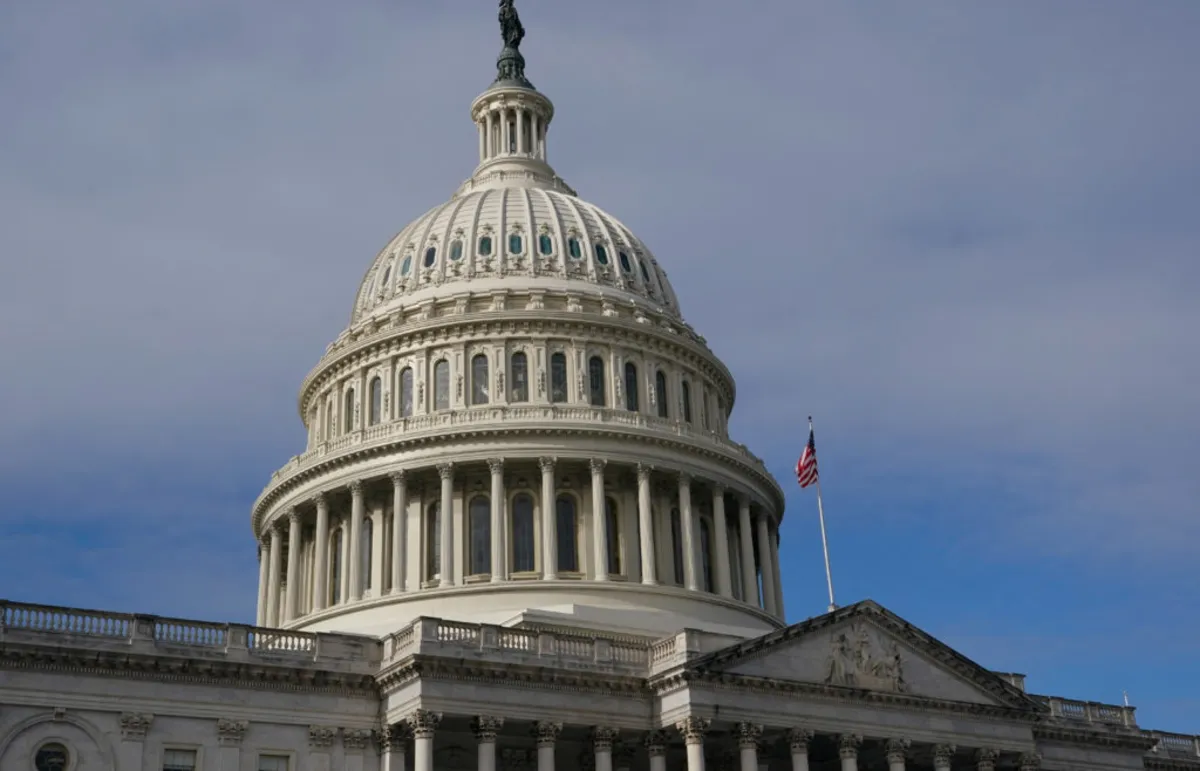
In a significant move, the House has passed a bipartisan spending bill aimed at funding federal agencies and preventing another government shutdown. With broad support, this legislation highlights the urgency of Congress to finalize spending measures before the looming deadline.

Governor Kathy Hochul announces a groundbreaking plan to make child care affordable and accessible for all families in New York. This initiative will benefit nearly 100,000 additional children and transform the child care landscape in the state.

Millions of Americans are set to face skyrocketing health care premiums as ACA subsidies expire. A bipartisan group of senators is working on a compromise to extend these critical tax credits, potentially easing financial burdens for many families.

Farmers across the U.S. are grappling with skyrocketing health insurance costs as enhanced subsidies expire, forcing many to choose between their livelihoods and coverage. With rising prices and economic uncertainty, the future looks grim for agricultural workers.

Attention, ACA shoppers! Time is running out to enroll for 2026 health coverage. Premiums are rising, and subsidies may expire, leaving many seeking alternatives. Discover your options and what to consider before the deadline!

In a recent address, Trump claimed the U.S. is on the brink of an economic resurgence, attributing ongoing issues to past administrations. Meanwhile, Congress faces crucial votes on healthcare subsidies and sanctions against Venezuela intensify.

In a surprising turn, four centrist Republicans have teamed up with Democrats to force a House vote on extending pandemic-era health care subsidies, challenging party leadership and addressing rising insurance costs for millions.
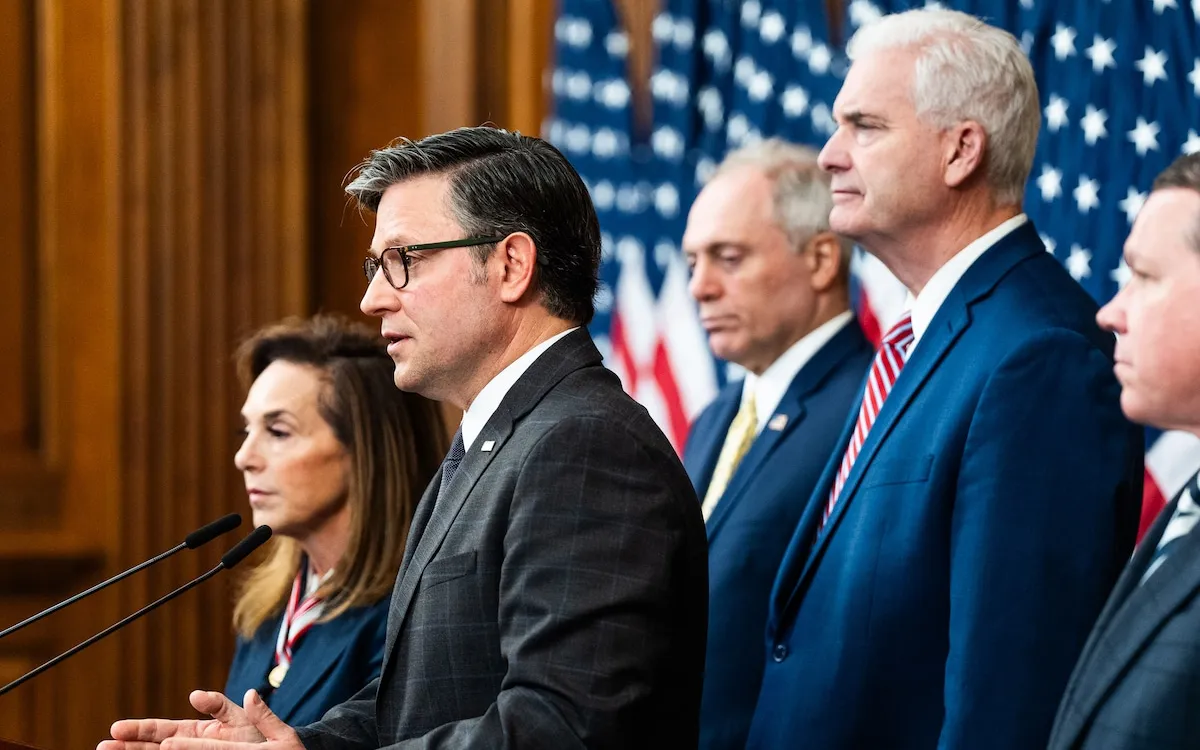
As tensions rise within the GOP, a coalition of moderate House Republicans and Democrats is pushing for a vote on extending crucial ACA subsidies set to expire soon. Will they succeed?

In a surprising move, four centrist Republicans defy Speaker Mike Johnson by signing a Democratic petition to extend health insurance subsidies, setting the stage for a major clash over health care policy in January.

With only days left, Congress may leave without extending ACA health insurance subsidies, potentially doubling or tripling premiums for millions. Bipartisan efforts stall as the deadline looms.