

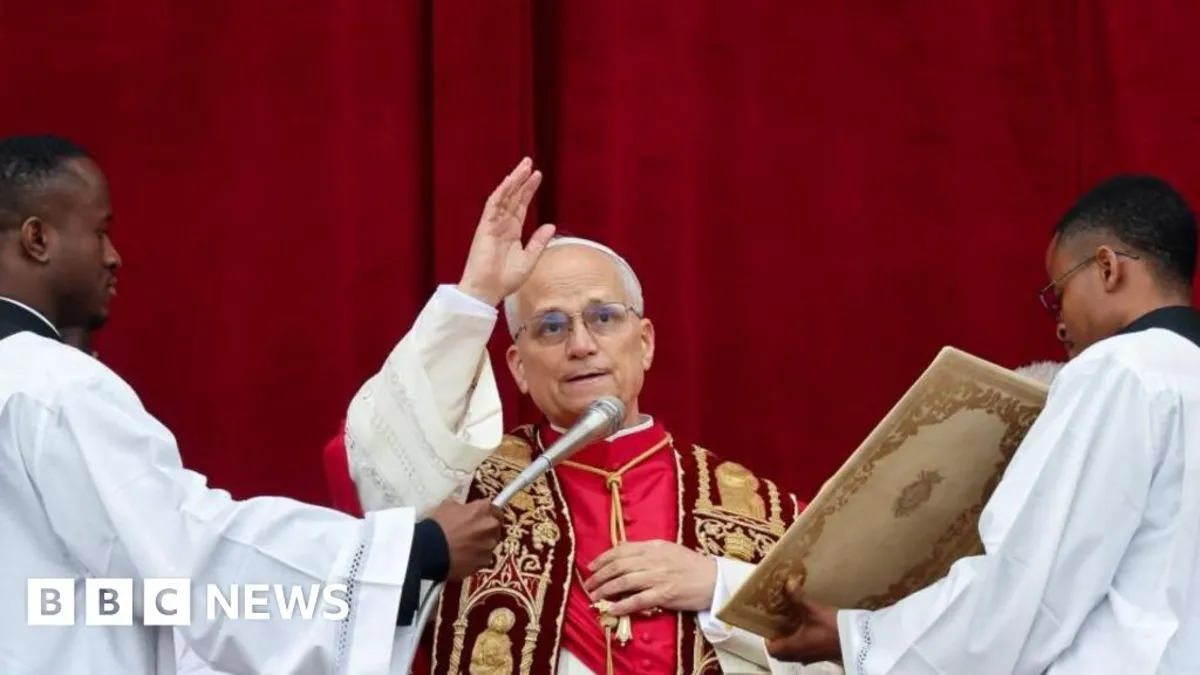
Pope Leo has made a heartfelt appeal urging both Ukraine and Russia to muster the courage necessary to engage in direct negotiations aimed at ending the ongoing war. This plea was made during his inaugural Christmas remarks to the gathered crowds in St. Peter's Square. The pontiff’s address, known as the Urbi et Orbi, is a traditional message delivered on Christmas Day to worshippers congregated in Vatican City, where he emphasizes the need for peace and reconciliation.
In his address concerning Ukraine, Pope Leo stated, "May the clamour of weapons cease, and may the parties involved, with the support and commitment of the international community, find the courage to engage in sincere, direct and respectful dialogue." This urgent call for peace comes amidst ongoing US-led negotiations aimed at brokering a deal to conclude the fighting. Despite these diplomatic efforts, direct discussions between Kyiv and Moscow have yet to materialize in this latest round of talks.
Earlier during the Christmas Day sermon held in St. Peter's Basilica, Pope Leo lamented the dire conditions faced by homeless people across the globe, highlighting the catastrophic impact of conflicts. He poignantly remarked, "Fragile is the flesh of defenceless populations, tried by so many wars, ongoing or concluded, leaving behind rubble and open wounds." The Pope drew parallels between the story of the birth of Jesus and the current plight of displaced individuals around the world.
Shifting focus to the conditions in Gaza, Pope Leo questioned, "How, then, can we not think of the tents in Gaza, exposed for weeks to rain, wind, and cold?" The region has endured extensive devastation due to an Israeli bombardment during a two-year conflict, which was ignited by Hamas's attack on Israel. The harsh winter storms have further exacerbated the challenges faced by Gaza's 2.1 million inhabitants, nearly all of whom have been displaced, with many homes either damaged or entirely destroyed.
Aid organizations have urgently called on Israel to facilitate the entry of more tents and essential supplies into Gaza. In response, COGAT, the Israeli military authority responsible for managing Gaza's border crossings, has refuted claims of intentional aid restrictions, asserting that nearly 310,000 tents and tarpaulins have been delivered since the ceasefire began in October. The situation remains critical, and the international community continues to seek ways to alleviate the suffering of those affected by the conflict.