

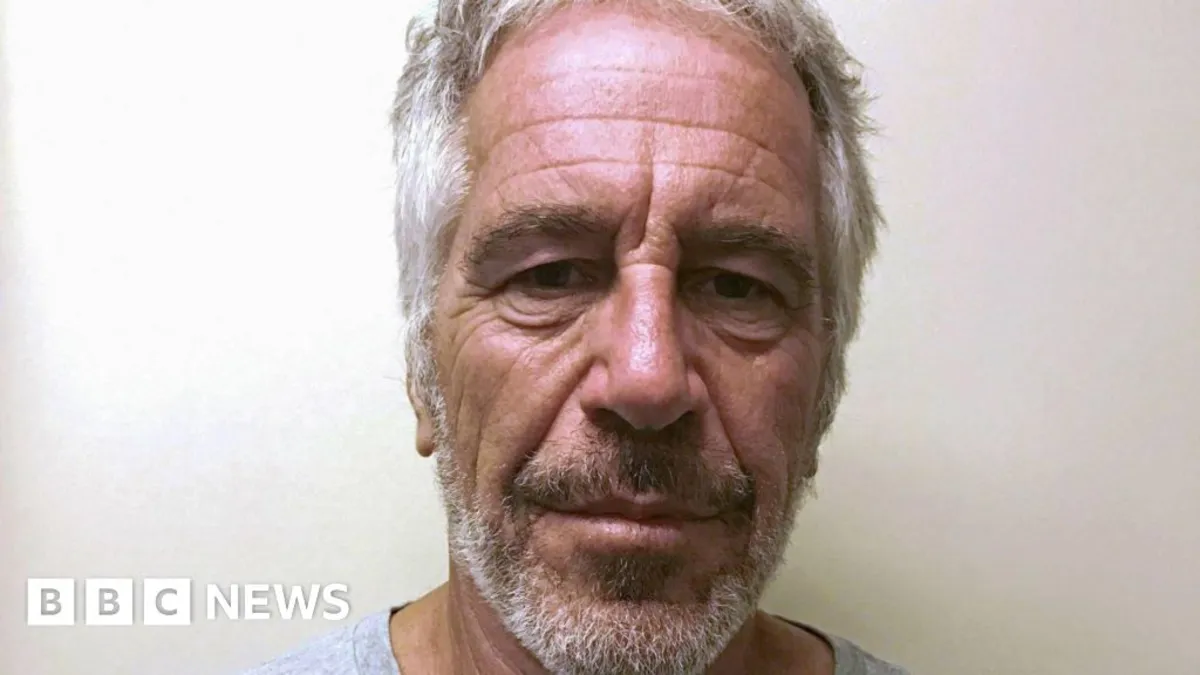
A federal judge in New York has ruled that the U.S. Department of Justice can publicly release grand jury records from Jeffrey Epstein's 2019 sex trafficking case. This significant decision by U.S. District Judge Richard Berman reverses his earlier ruling that kept these materials sealed. The judge cited a recent law passed by Congress, known as the Epstein Files Transparency Act, which mandates the release of files related to Epstein's case.
In his ruling, Judge Berman emphasized the importance of protecting the identities and privacy of the victims involved. He stated that their safety and privacy are paramount, highlighting the delicate balance between public interest and individual rights. Epstein was charged with sex trafficking in July 2019 but tragically died in a New York prison cell just a month later while awaiting trial.
Previously, Judge Berman denied the justice department's request to release these records due to concerns about potential threats to victims' safety. However, in light of the Epstein Files Transparency Act, signed into law by former President Donald Trump last month, the judge has now agreed to release the materials. The law requires the justice department to unveil investigative material related to Epstein by December 19, including unclassified records, documents, and communications. It also allows the department to withhold any files associated with active criminal investigations or that raise privacy concerns.
Judge Berman's ruling makes him the third federal judge to grant similar requests from the justice department since the new law was enacted. On Tuesday, another judge issued a comparable ruling concerning Ghislaine Maxwell, who was convicted in 2021 for her role in facilitating Epstein's abuse. Prosecutors alleged during her trial that Maxwell had recruited and groomed underage girls for Epstein's exploitation from 1994 to 2004. Currently, she is serving a 20-year prison sentence.
Last Friday, a judge in Florida also approved a request to unseal grand jury transcripts from earlier investigations into Epstein conducted in 2005 and 2007. The Trump administration faced mounting pressure over the Epstein files, especially given Trump’s past friendship with Epstein. Despite asserting that their relationship soured in the early 2000s, Trump has consistently denied any wrongdoing related to Epstein.
During the 2024 presidential campaign, Trump pledged to make the Epstein files public. Earlier this year, his administration released thousands of pages of documents from the Epstein investigation, primarily consisting of flight logs. However, a memo from justice department officials in July indicated no further material would be disclosed, leading to bipartisan backlash from lawmakers who subsequently introduced a resolution demanding the release of these files.
Ultimately, Trump signed the bill into law in November, marking a significant shift in his stance on the issue. The family of Virginia Giuffre, an Epstein victim who tragically died by suicide earlier this year, expressed that Trump's decision to sign the bill was monumental for victims seeking justice.
The files that are required to be made public this month differ from the documents previously released by the House Oversight Committee, which had subpoenaed Epstein's estate earlier in the year. Those materials included disturbing images of Epstein's private residence in the U.S. Virgin Islands, showcasing several bedrooms and a room adorned with masks. Survivors have alleged that they were trafficked to and abused on the island, known as Little St. James, which Epstein purchased in 1998.
Notably, the images from 2020 also revealed a dental chair and a room featuring a black chalkboard inscribed with the words "truth," "deception," and "power." Robert Garcia, the Democratic leader of the committee, stated that the material was released to ensure public transparency, while Republicans criticized the Democrats for selectively releasing information ahead of a more comprehensive document dump.