

A 19-year-old Mississippi man faces serious charges after allegedly setting fire to the Beth Israel Congregation, an act condemned by officials as an anti-Semitic attack. The FBI is committed to protecting houses of worship from violence.
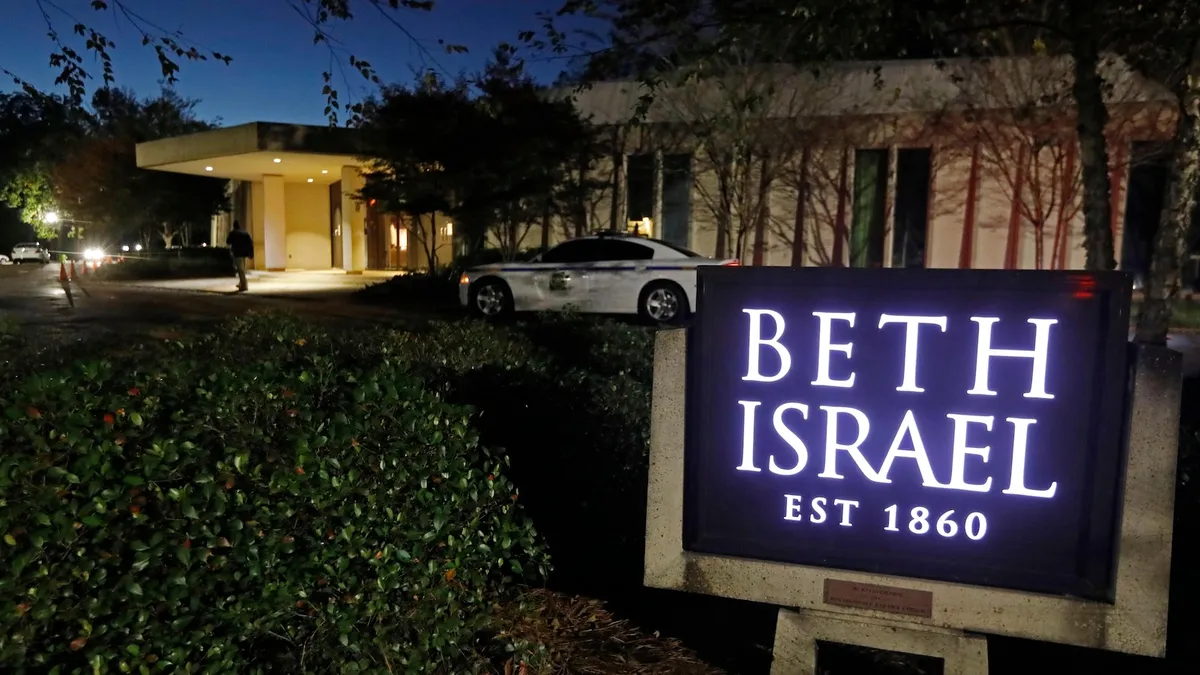
A fire caused by arson severely damaged the historic Beth Israel Congregation in Jackson, Mississippi. No injuries were reported, but the community is rallying together in response to this act of hate.
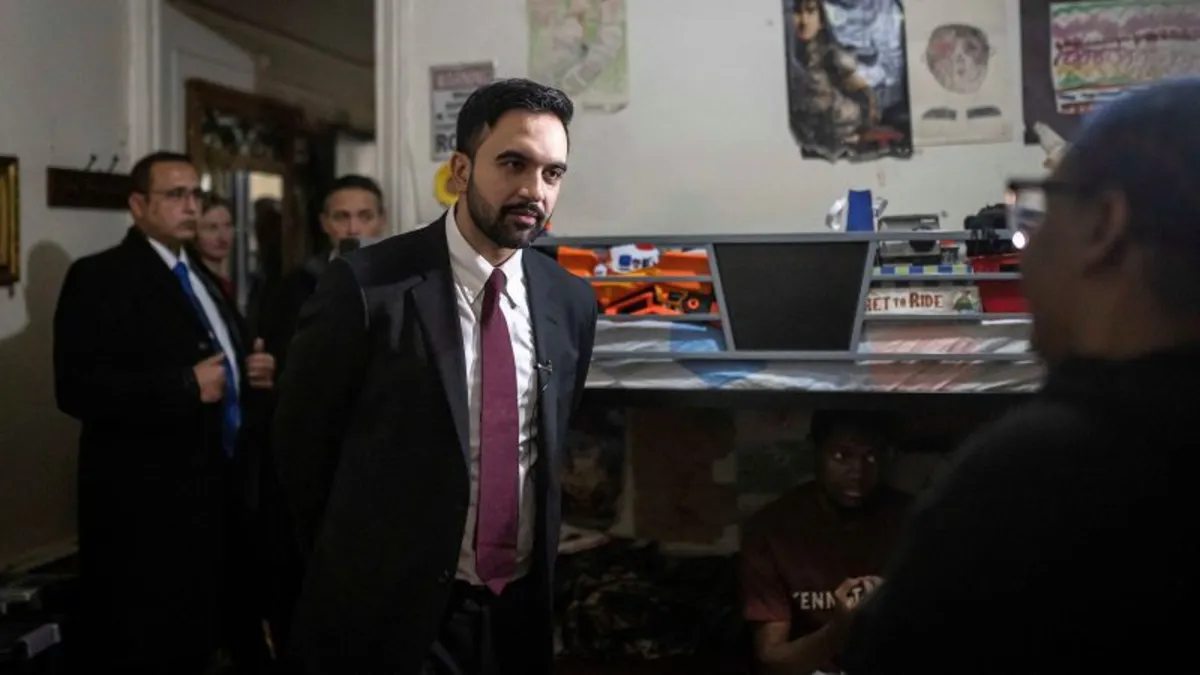
In a bold move, NYC Mayor Zohran Mamdani revokes controversial antisemitism orders from his predecessor, sparking debate and concern among Jewish leaders and supporters alike.

In a controversial speech at Turning Point USA, Vice President JD Vance avoided mentioning Israel, stirring tensions within the MAGA base. Pressure mounts for him to address associates with extremist views.

Vice President JD Vance emphasizes an inclusive conservative movement at the Turning Point USA convention, navigating controversies around antisemitism and the future of the GOP amidst Trump’s legacy.
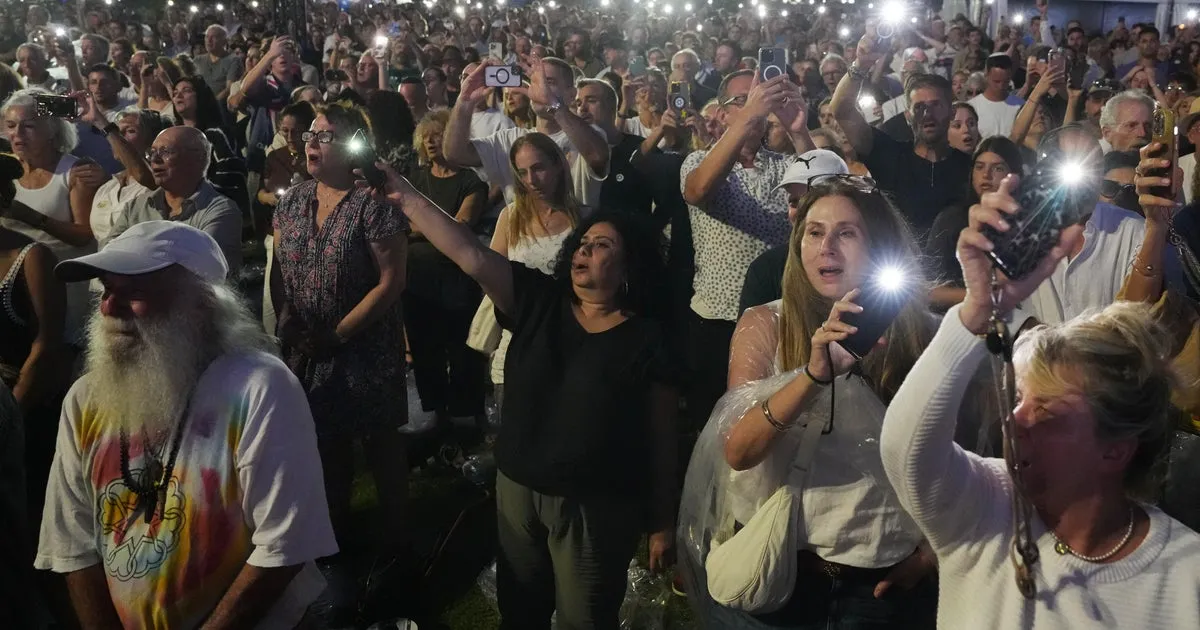
In a powerful show of solidarity, thousands gathered at Bondi Beach to mourn the victims of a recent mass shooting targeting a Jewish festival. Leaders and citizens unite to combat rising antisemitism and discuss gun control reforms.
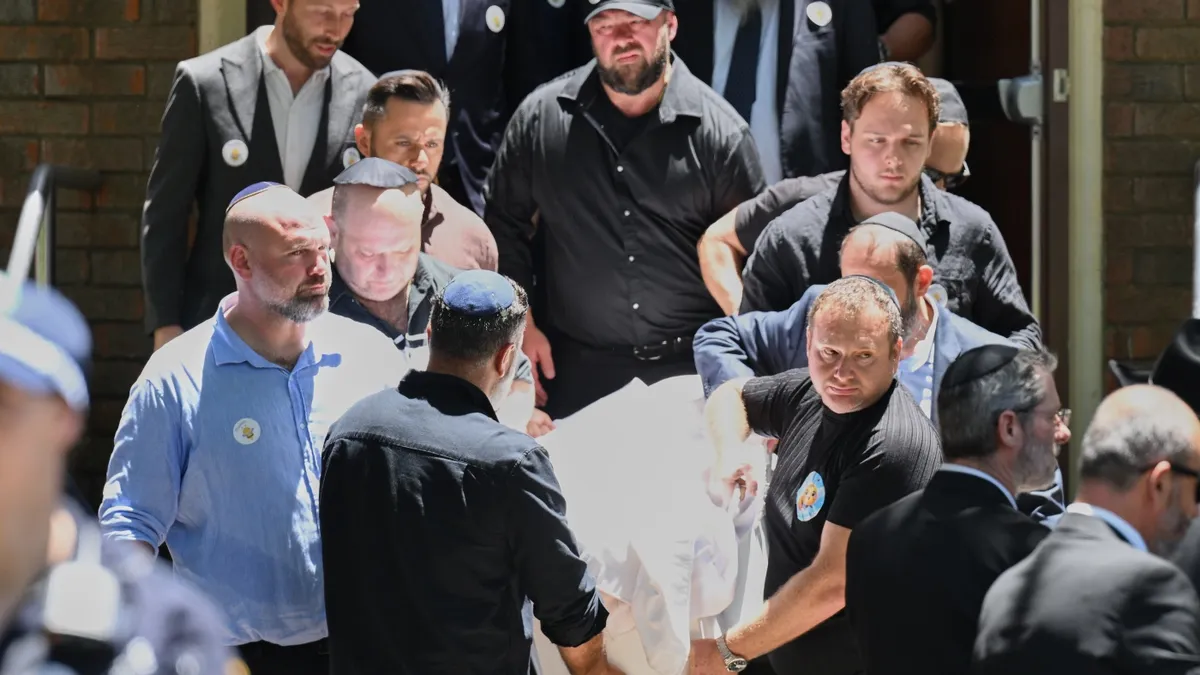
Hundreds mourn the tragic loss of 10-year-old Matilda, who was gunned down in an antisemitic attack during a Hanukkah celebration. The incident has ignited a national conversation about hate crimes in Australia.
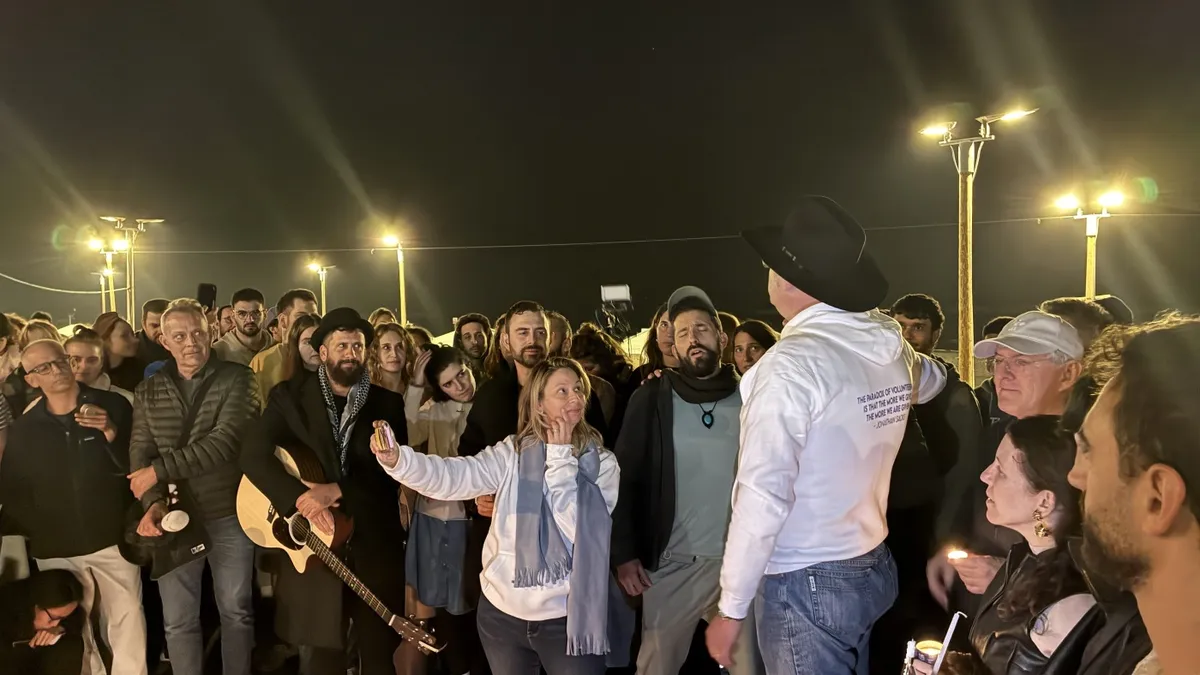
As Hanukkah festivities light up Tel Aviv, a tragic shooting in Australia looms large. Rabbi Shaul Reizes leads the community in celebration while addressing the growing fears of antisemitism.

A father-son duo commits a horrific mass shooting during a Hanukkah celebration in Sydney, killing 15 and injuring many more. This tragedy raises questions on gun laws and community safety.
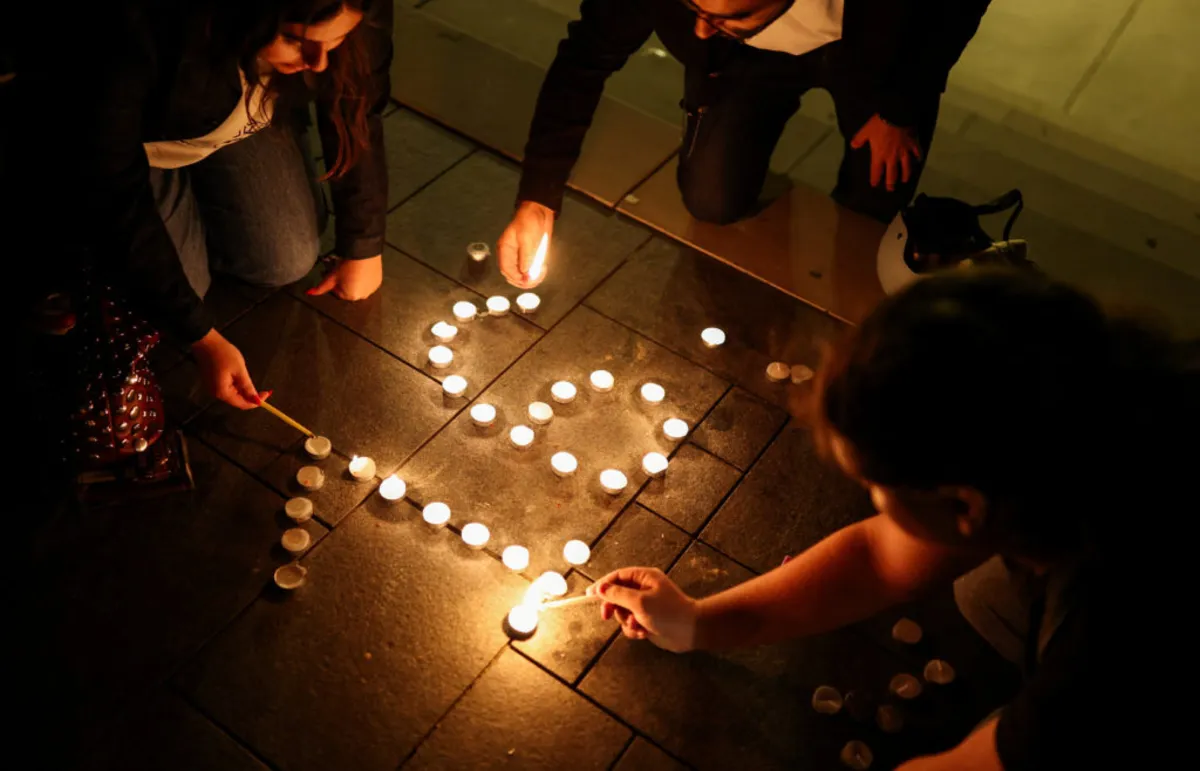
A shocking attack during a Hanukkah celebration at Sydney's Bondi Beach left 16 dead, raising alarms over rising antisemitism in Australia. Prime Minister Albanese condemns the violence as antisemitic terrorism.