

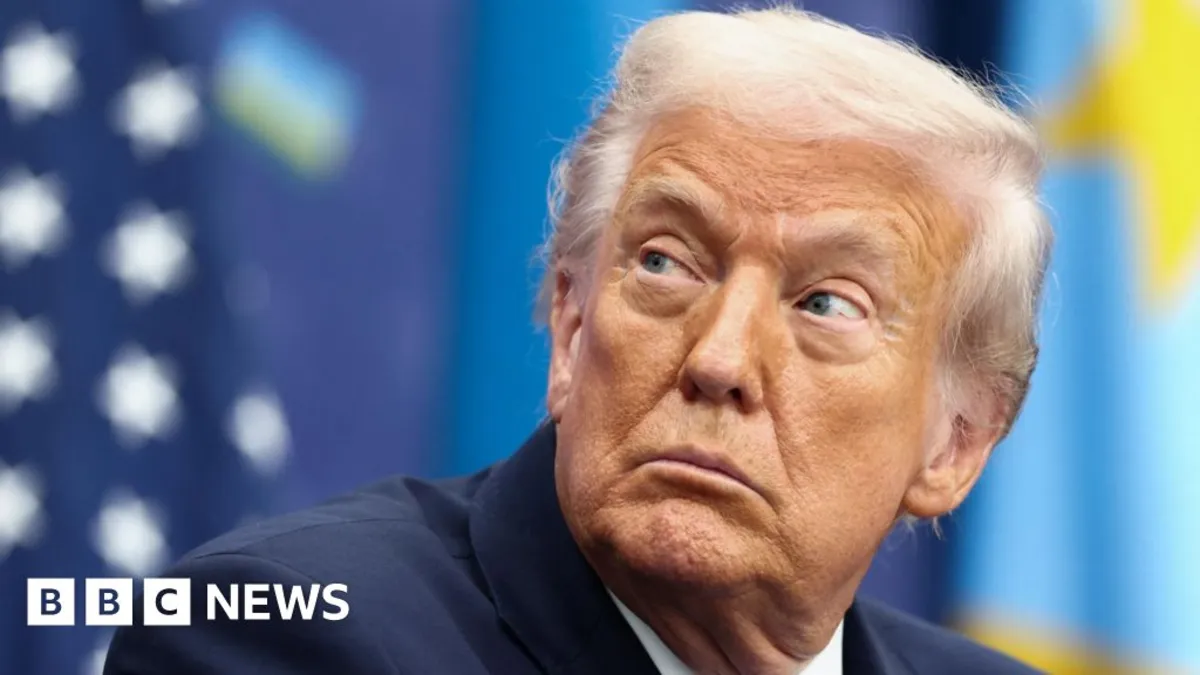
In a bold new strategy document, the Trump administration has issued a stark warning regarding the future of Europe, stating that the continent faces the threat of civilizational erasure. This 33-page National Security Strategy outlines President Donald Trump's vision for global relations and how the United States will utilize its military and economic power to achieve its objectives. The President characterizes this document as a roadmap to ensure that America remains the "greatest and most successful nation in human history."
The release of this formal National Security Strategy typically occurs once per presidential term and serves as a framework for future policies and budget allocations. It also signals the administration's priorities to the international community. In response, European politicians, including Germany's Foreign Minister Johann Wadephul, have expressed skepticism, asserting that Germany does not require external advice on these matters. This sentiment reflects a growing concern among European leaders regarding the implications of U.S. policies on their sovereignty.
The new strategy document mirrors the themes presented in Trump's earlier speech at the United Nations, where he criticized Western Europe's handling of migration and clean energy. The report emphasizes the need for a revival of Western identity, combating foreign influence, curtailing mass migration, and prioritizing U.S. interests, including efforts to dismantle drug cartels. The strategy warns that if current trends persist, Europe could become unrecognizable in less than two decades, overshadowed by serious economic issues and the dire prospect of civilizational decline.
The document raises concerns about the economic and military capabilities of certain European nations, questioning whether they will remain reliable allies in the future. It accuses the European Union and other transnational organizations of engaging in activities that undermine political liberty and national sovereignty. Issues such as ineffective migration policies, censorship of free speech, and dwindling birthrates are cited as contributing factors to a loss of national identity and self-confidence.
Conversely, the strategy document highlights the rising influence of patriotic European parties, encouraging American political allies in Europe to support this revival of national spirit. The Trump administration has notably formed connections with the far-right AfD party in Germany, which has been classified as extreme right by German intelligence agencies.
German Foreign Minister Wadephul reiterated that the United States will continue to be Germany's most important ally within the NATO alliance, emphasizing that NATO's focus should remain on security policy issues. He posited that questions surrounding freedom of expression and societal organization should not be included in the strategy, especially regarding Germany.
The document also addresses the complexities of European relations with Russia, particularly in light of Russia's ongoing invasion of Ukraine. It argues that Europe suffers from a lack of self-confidence in its dealings with Russia, and asserts that managing these relationships will necessitate substantial American involvement. The document identifies the cessation of hostilities in Ukraine as a core U.S. interest.
The White House's strategy document frequently references the need for the United States to safeguard itself from external threats, particularly in the Western Hemisphere. It advocates for a re-evaluation of the U.S. military presence globally, proposing the relocation of assets from less critical regions to areas of greater national security concern. This shift is already observable in the Caribbean, where U.S. military operations have intensified, including lethal strikes against vessels allegedly involved in drug trafficking.
A significant aspect of the strategy is the emphasis on the South China Sea as a vital shipping route with substantial implications for the U.S. economy. The document asserts that the U.S. will enhance and fortify its military presence in the Western Pacific, while advocating for increased defense spending from allies such as Japan, South Korea, Australia, and Taiwan. Deterring conflict over Taiwan is highlighted as a priority, especially given China's claims over the self-governed island.
Finally, the strategy underscores the importance of fostering a stronger industrial base within the United States and reducing reliance on foreign technologies. This aligns with some of the actions taken by the Trump administration, including the implementation of sweeping global tariffs aimed at promoting domestic manufacturing.