

On Tuesday, President Donald Trump made headlines with his controversial remarks regarding Somali immigrants in the United States. The president openly expressed his desire to limit the influx of individuals from the war-torn eastern African nation, claiming that they are excessively dependent on the U.S. social safety net and contribute little to society. This latest attack on the Somali diaspora marks a continuation of Trump's long-standing criticism of this immigrant community.
Somali immigrants have been arriving in the United States, particularly in states like Minnesota, since the early 1990s, often seeking refuge from the devastating civil war that has plagued their homeland. Trump's remarks did not differentiate between citizens and non-citizens, further intensifying his sweeping condemnation of the Somali community. This statement follows the recent announcement from his administration to suspend asylum decisions in light of a tragic shooting incident involving two National Guard soldiers in Washington, D.C.
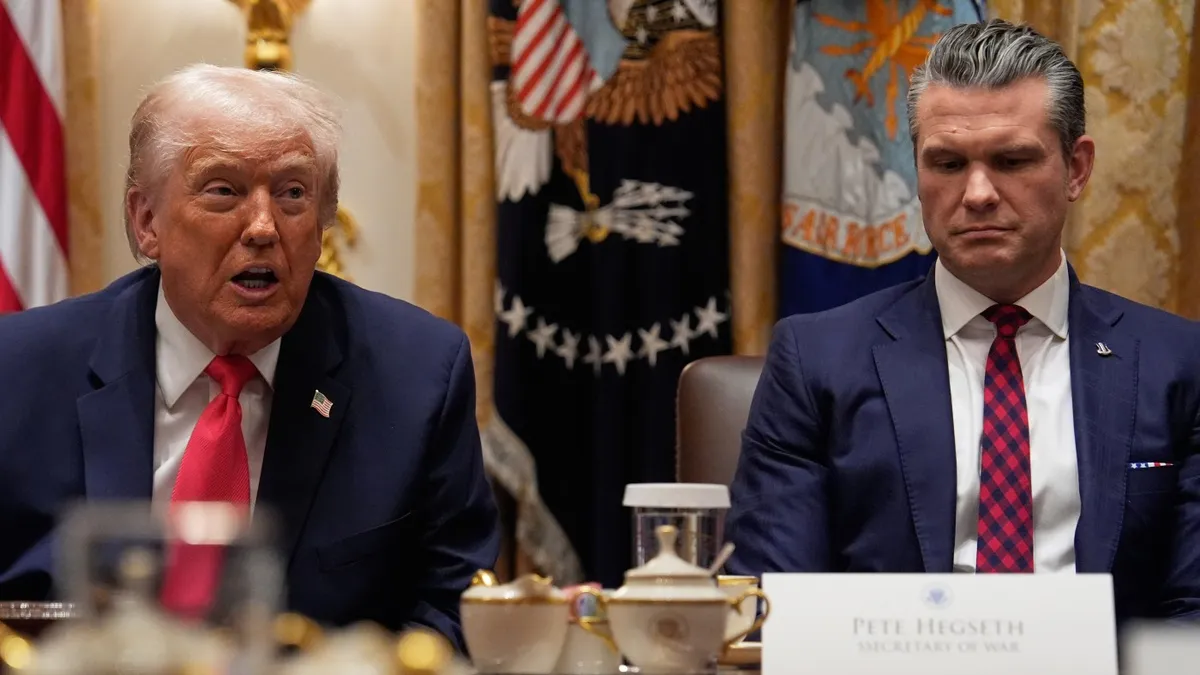
During a lengthy Cabinet meeting, Trump stated, “They contribute nothing. I don't want them in our country.” He went on to express disdain for Somalia, saying, “Your country stinks and we don't want them in our country.” This rhetoric is particularly alarming as it reflects a broader pattern of vilification directed at immigrant groups. In recent months, Trump has escalated his criticisms of Rep. Ilhan Omar, a prominent Somali-American politician who came to the U.S. as a child in 1995.
Trump intensified his attacks on the Somali community after conservative activist Christopher Rufo published unproven allegations in City Journal, suggesting that funds misappropriated from Minnesota programs may have been funneled to al-Shabab, a militant group with ties to al-Qaida. In a subsequent social media post, Trump threatened to send Somalis back to their home country, claiming that Minnesota had become a center for fraudulent money laundering activities.
During his Tuesday remarks, Trump specifically mentioned his intention to terminate Temporary Protected Status for Somalis living in Minnesota. This announcement has sparked fear within the state's immigrant community, raising questions about the legal authority of the White House to enact such a directive. Experts have pointed out that this move would only impact a small fraction of the Somali population, with a recent report indicating that only 705 Somalis nationwide are currently covered by this status.
In response to Trump's inflammatory statements, Minneapolis Mayor Jacob Frey condemned the president's rhetoric as harmful and misleading. Frey emphasized the positive contributions of Somali immigrants, noting their role in starting businesses and creating jobs that have enhanced the cultural landscape of Minneapolis. He criticized the characterization of an entire group as "garbage," asserting that such views violate the moral principles that America stands for.
Rep. Ilhan Omar responded to Trump's comments on social media, calling his fixation on her "creepy" and urging him to seek help. Omar's counterattack reflects the ongoing tensions between the Trump administration and members of the Somali community, as well as her determination to stand against what she views as unjustified attacks on her heritage and constituents.
The recent remarks made by President Trump about Somali immigrants have reignited discussions about immigration policy and community relations in the United States. As the Somali diaspora continues to grow, the need for a more inclusive and understanding dialogue becomes increasingly important. Leaders in Minnesota and beyond are advocating for recognition of the contributions made by immigrants, challenging the divisive narrative that has often characterized political discourse in recent years.