

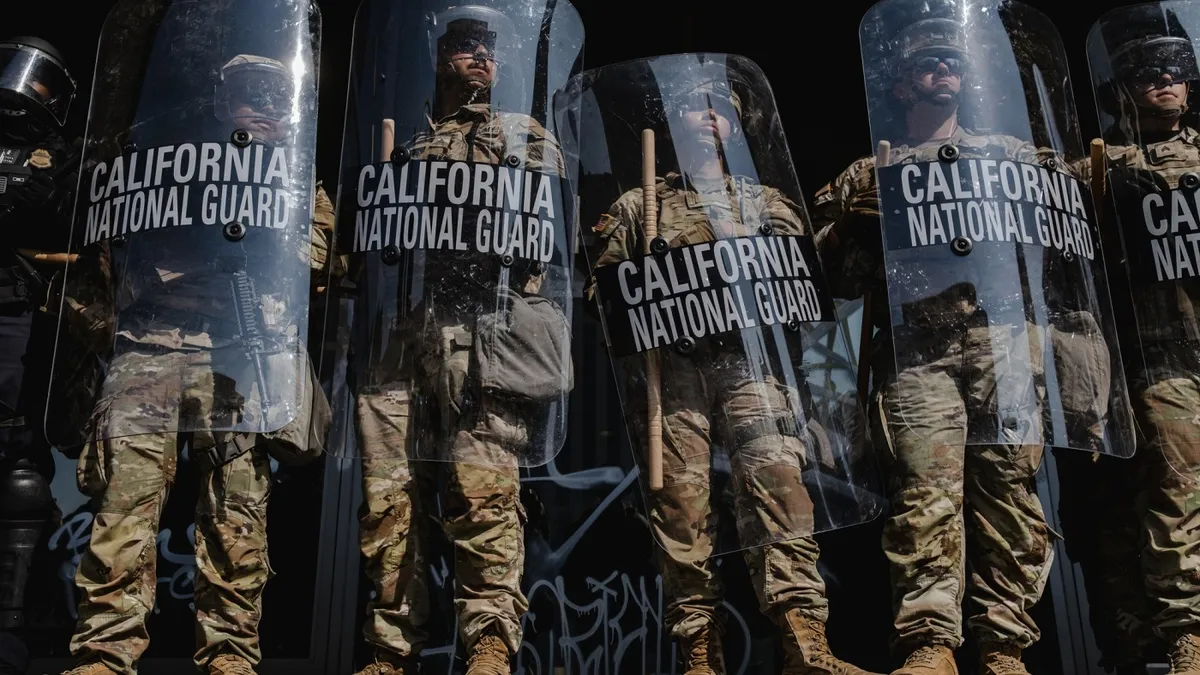
The Trump Administration has been ordered to cease its deployment of the National Guard to Los Angeles, following a ruling by U.S. District Judge Charles Breyer in San Francisco. This decision comes after California officials challenged President Trump’s actions, particularly his controversial use of state troops since June.
The deployment of the National Guard was initiated when President Trump seized control of the California National Guard to address protests against immigration enforcement operations in Los Angeles. This move was made against the wishes of Governor Gavin Newsom, who opposed the federalization of state troops. The ruling marks a significant legal setback for the Trump administration, which has faced numerous challenges related to its deployment of National Guard troops across several Democratic-led cities in the United States.
Judge Breyer's ruling granted a preliminary injunction to California officials, reinforcing their position against the federal government's intervention. The administration has argued that these deployments were necessary to combat crime and protect federal immigration facilities and officers. However, nearly every deployment remains embroiled in legal battles, reaching as high as the U.S. Supreme Court.
The National Guard was first deployed to Los Angeles this summer, with over 4,000 troops sent to the city. Currently, that number has dwindled to around 100, yet the Trump administration has repeatedly sought to extend federal control over the state's guard, claiming its presence is still required. Most recently, they aimed for an extension through February. Judge Breyer criticized this stance, indicating that allowing such extensions without review could lead to a scenario where a president could maintain a standing police force of state troops indefinitely.
Experts in constitutional law have voiced significant concerns regarding Trump's federalization of state National Guards. They argue that the president is pushing the boundaries of executive power and normalizing the presence of troops on the streets. Judge Breyer emphasized that the administration's argument for unchecked presidential power over state troops would fundamentally disrupt the federalism that underpins the American governmental system.
In response to NPR's request for comment, White House spokeswoman Abigail Jackson defended the deployment, asserting that it fell within Trump's lawful authority. "We look forward to ultimate victory on the issue," Jackson stated. It is important to note that the ruling has been stayed until Monday, allowing for the possibility of an appeal by the administration.
As this legal battle unfolds, the implications of the ruling could resonate throughout the nation, highlighting the ongoing tension between state and federal powers in the management of National Guard deployments.