

Washington, D.C. - On December 11, 2023, the U.S. Senate faced a significant challenge as it rejected competing healthcare proposals put forth by both Republicans and Democrats. This legislative deadlock leaves approximately 24 million Americans at risk of facing steep increases in their insurance premiums starting January 1, when a critical federal subsidy is set to expire. Without any last-minute agreements, Congress is scheduled to begin its year-end holiday recess next week and will not reconvene until January 5, after new premium rates are finalized for individuals who depend on the Affordable Care Act (ACA) enhanced subsidies.
In a series of votes predominantly split along party lines, both parties dismissed each other's proposed bills. The House of Representatives may attempt to introduce some form of legislation next week, though specifics remain undisclosed. Even if such a measure were to pass, it is anticipated that Senate Democrats—and possibly some Republicans—would oppose it, potentially stymying any efforts to move forward. Following the Senate vote, Senate Democratic leader Chuck Schumer criticized Republicans, stating that the responsibility for the American healthcare crisis now rests entirely on their shoulders.
On the other hand, Senate Republican leader John Thune characterized the Democratic proposal as merely a political maneuver and asserted that Republicans are prepared to engage in meaningful discussions, expressing uncertainty about Democrats' willingness to cooperate.
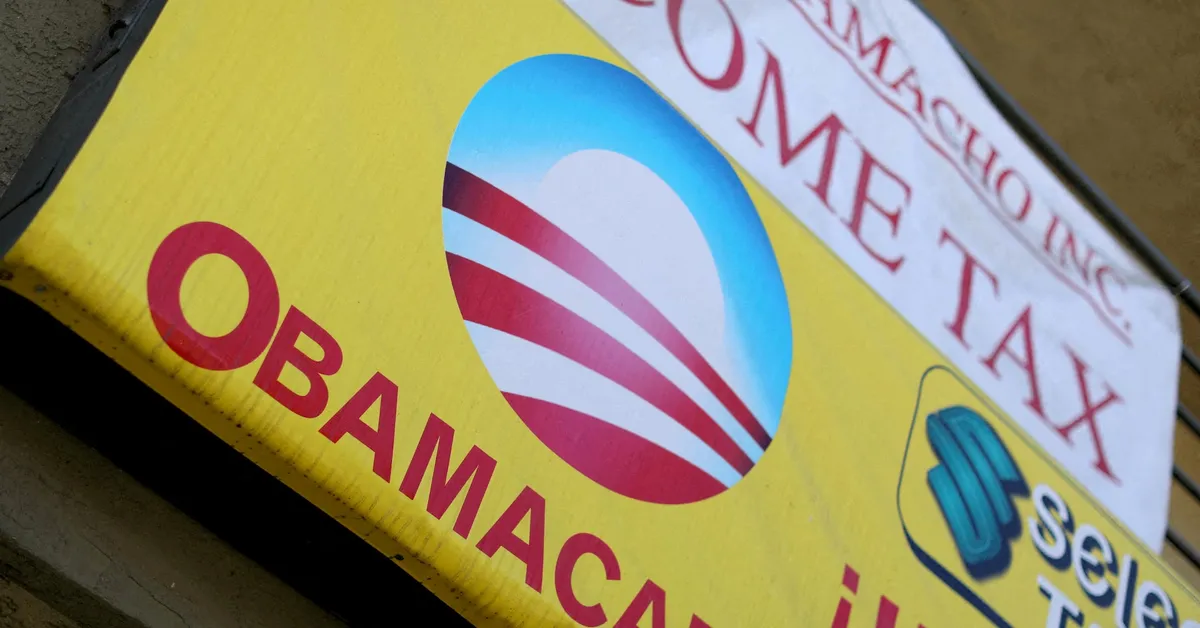
This contentious debate in Congress has left many Americans uncertain about renewing their health insurance plans under the federal healthcare program. Recent data indicates a slight decrease in the percentage of returning customers in the Obamacare exchanges compared to the previous year. Currently, only 19.9% of individuals enrolled this year have opted to renew their plans, a decline from 20.5%% at the same time last year.
The Republican proposal, introduced by Senators Bill Cassidy of Louisiana and Mike Crapo of Idaho, sought to allocate up to $1,500 to individuals earning less than 700% of the federal poverty level—approximately $110,000 for an individual or $225,000 for a family of four by 2025. However, this funding would not apply to abortion or gender transition services and would necessitate verification of beneficiaries' immigration or citizenship status, provisions that Democrats have firmly rejected.
Meanwhile, the Democratic proposal aimed to extend COVID-era subsidies for an additional three years to prevent soaring insurance premiums for many Americans. Experts from KFF, a health policy organization, have warned that without congressional action, average premiums could more than double.
To pass either legislative measure, 60 votes were required in a Senate where Republicans hold a 53-47 majority. Four Republican senators supported the Democratic proposal, while no Democrats voted for the Republican bill. Although former President Donald Trump has largely remained on the sidelines during this healthcare debate, he has shown support for the Cassidy-Crapo plan.
The $1,500 payments proposed in the Republican bill were designed to alleviate some out-of-pocket costs for individuals enrolled in the Bronze or Catastrophic tiers of Obamacare—typically lower-cost plans. However, this amount falls significantly short of the plans’ deductibles, potentially leaving patients liable for up to $7,500 in medical expenses before their insurance begins to cover any costs. Such expenses can accumulate rapidly, as emergency room visits can range between $1,000 and $3,000, while ambulance rides may cost anywhere from $500 to over $3,500.
As the 2026 congressional elections approach, many Republicans are expressing concerns about the ramifications of sharp premium increases affecting constituents in every state, including those that supported Trump's 2024 re-election bid. Polling data suggests that voters may hold Republicans accountable for the healthcare crisis, given their control over Congress and the White House. Republican Senator Josh Hawley of Missouri, a state that Trump won by 18 points, noted that his constituents have voiced their concerns, stating, "We can't afford our premiums now, let alone if they go up by 50 or 100%."
Insurance companies have already alerted customers about the impending rise in premiums for the new year. Democrats argue that there is insufficient time to pursue anything other than a straightforward extension of the tax credits they are advocating for. A recent Reuters/Ipsos poll revealed that a majority of Americans support the continuation of healthcare subsidies, with 51% of respondents in favor—this includes three-quarters of Democrats and a third of Republicans, while only 21% expressed opposition.
In an effort to secure bipartisan support, moderate Republican Representative Brian Fitzpatrick of Pennsylvania is leading an initiative to extend the subsidy through 2027. He aims to gather enough support to bypass traditional leadership and compel the full House to vote on the measure.