

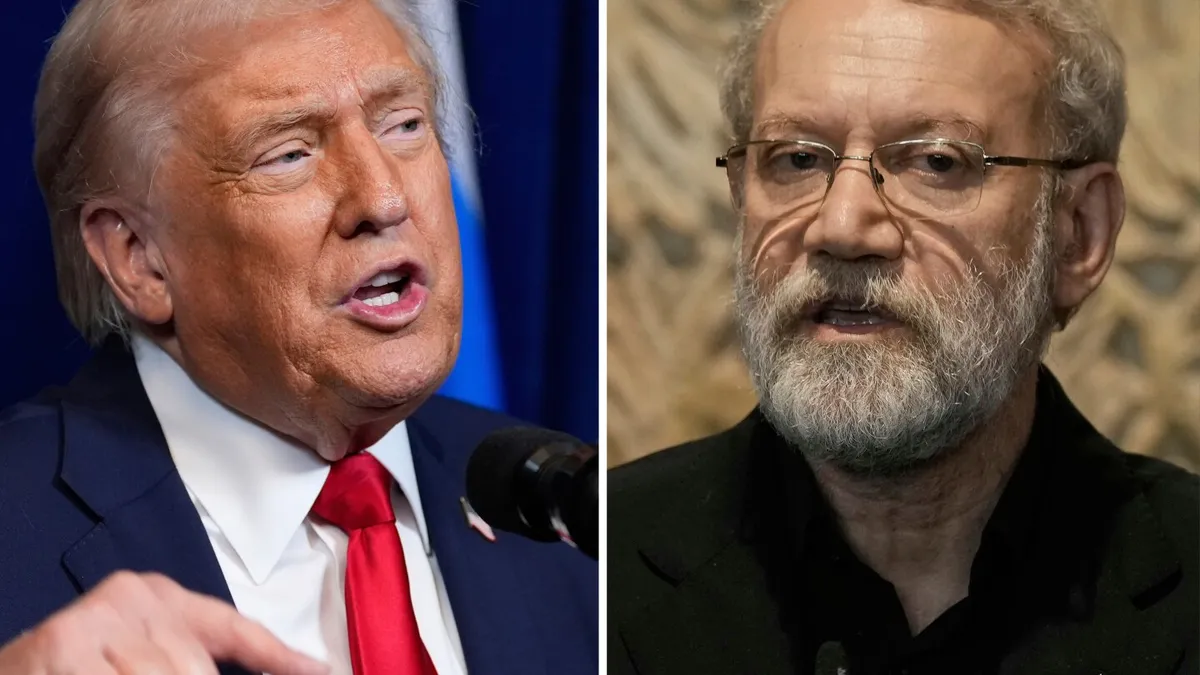
In a significant development, U.S. President Donald Trump and prominent Iranian officials engaged in a heated exchange of threats on Friday, as protests erupted across various regions of the Islamic Republic. These demonstrations have intensified following the U.S. bombing of Iranian nuclear sites in June, leading to escalating tensions between the two nations. Tragically, reports indicate that at least seven individuals have lost their lives amidst the unrest, which has been fueled by the dramatic collapse of Iran's rial currency. The protests have evolved into a platform for anti-government sentiments, marking the most significant civil unrest in Iran since 2022.
The current wave of protests, now entering their sixth day, has drawn parallels to the nationwide demonstrations sparked by the tragic death of 22-year-old Mahsa Amini in police custody. Amini's death triggered outrage over the Iranian government's enforcement of strict dress codes, particularly regarding the hijab. While these recent protests have not yet achieved the widespread intensity seen during the Amini protests, they reflect growing discontent with the government’s policies and handling of economic issues.
Trump's remarks on his Truth Social platform were particularly provocative. He cautioned Iran against “violently killing peaceful protesters,” asserting that the United States “will come to their rescue.” He concluded his message with a statement indicating that the U.S. is “locked and loaded and ready to go,” though he did not provide any further details. This statement drew an immediate response from Iranian officials, including Ali Larijani, the secretary of Iran’s Supreme National Security Council, who accused the U.S. and Israel of instigating the protests. Larijani failed to present any evidence for his claims, which have been a recurring theme among Iranian officials during periods of civil unrest.
In addition to Larijani, Ali Shamkhani, a senior advisor to Supreme Leader Ayatollah Ali Khamenei, issued a stark warning, stating that “any interventionist hand that gets too close to the security of Iran will be cut.” This rhetoric underscores the Iranian government’s sensitivity to perceived foreign influence and its determination to maintain control amidst growing dissent. Parliamentary speaker Mohammad Bagher Qalibaf also declared that all American bases and forces would be considered “legitimate targets,” amplifying the hostile exchanges between the two nations.
The backdrop of these developments includes longstanding grievances between Iran and the United States, such as the 1953 CIA-backed coup in Iran and the downing of an Iranian passenger jet in 1988. The Iranian government has leveraged these historical events to justify its stance against U.S. involvement, particularly as the protests challenge the narrative of government support following the recent conflict.
Trump’s online support for the demonstrators marks a notable departure from previous U.S. administrations, which have typically refrained from openly backing protests in Iran for fear of accusations of foreign manipulation. During the 2009 Green Movement, President Barack Obama was criticized for his silence, a decision he later described as a mistake. However, analysts caution that while the underlying grievances of the protests stem from the Iranian government’s policies, the Iranian leadership may exploit Trump’s statements to frame the unrest as a product of external interference.
As protests continued on Friday, demonstrators gathered in Zahedan, located in Iran’s troubled Sistan and Baluchestan province, near the Pakistani border. The funerals of victims from the protests further ignited public outrage, with videos emerging of mourners confronting security forces. The situation remains precarious, as the Iranian civilian government, led by reformist President Masoud Pezeshkian, struggles to respond effectively to the rising discontent fueled by economic instability. The rapid depreciation of the rial, now costing approximately 1.4 million per U.S. dollar, has exacerbated existing frustrations, with protesters voicing their dissatisfaction with the Iranian theocracy.
The Iranian government faces significant challenges as it attempts to navigate the complex landscape of domestic unrest, external threats, and economic pressures. The outcome of these protests could have far-reaching implications for the future of Iran and its relations with the United States.