

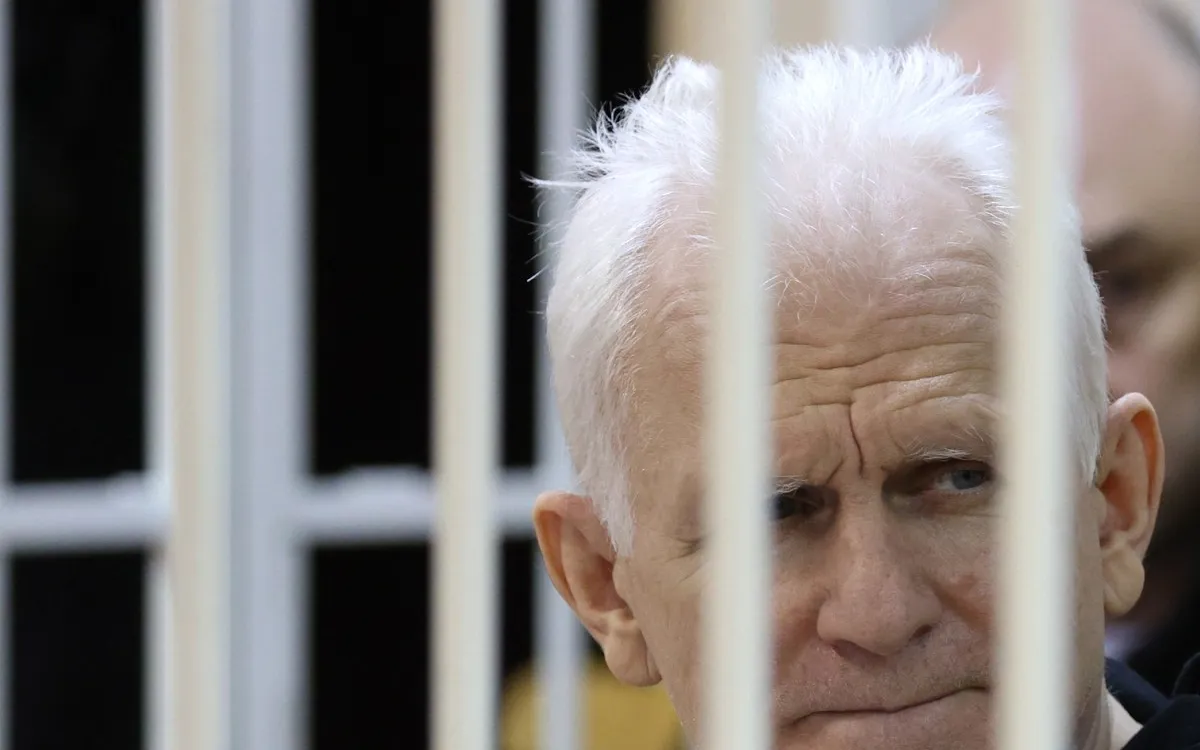
Belarus has made headlines by releasing 123 prisoners, a significant move that includes prominent figures such as Nobel Peace Prize winner Ales Bialiatski and leading opposition figure Maria Kolesnikova. This release is part of a diplomatic negotiation resulting in sanctions relief from the United States. On Saturday, John Coale, the US special envoy for Belarus, confirmed the lifting of sanctions on potash, a vital component in fertilizers, following two days of discussions with Belarusian President Alexander Lukashenko in Minsk.
As a leading global producer of potash, Belarus plays a crucial role in the agricultural supply chain. The recent prisoner release marks the largest gesture of goodwill from Lukashenko since diplomatic engagement with the Trump administration began earlier this year. This shift comes after years of Western governments distancing themselves from Lukashenko due to his oppressive tactics against dissenters and his unwavering support for Russia's ongoing war in Ukraine.
In a related development, Ukraine’s prisoner of war coordination centre announced the receipt of 114 prisoners released by Belarus. Among these are Ukrainian citizens accused of working for Ukrainian intelligence, as well as Belarusian political prisoners. The centre confirmed that the released captives would receive necessary medical care and that Belarusian citizens who wish to leave would be transported to Poland or Lithuania.
The US, European Union, and United Kingdom do not recognize Lukashenko as a legitimate president following the disputed 2020 elections. These elections were widely condemned as rigged, prompting sanctions that severely impacted Belarus's economy and left Lukashenko increasingly isolated, with Vladimir Putin as his primary international ally. Pavel Slunkin, a former Belarusian diplomat, commented on the recent developments, stating that this release signifies a substantial improvement in US-Belarus relations and could lead to renewed international legitimacy for Lukashenko.
Exiled Belarusian opposition leader Sviatlana Tsikhanouskaya expressed her gratitude towards the former US administration, asserting that Lukashenko's agreement to release prisoners in exchange for potash sanctions relief underscores the effectiveness of sanctions. She noted a distinction between US and EU sanctions, emphasizing that both approaches are complementary in their goals—fostering humanitarian efforts while promoting systemic change in Belarus.
US officials have indicated that engaging with Lukashenko is a strategic effort to reduce his reliance on Putin, a move that has been met with skepticism by the Belarusian opposition. The US embassy in Lithuania reiterated its commitment to advance US interests while continuing diplomatic efforts to free remaining political prisoners in Belarus.
As the news of the prisoner release unfolds, the whereabouts of many of the 123 freed individuals remain uncertain. Historically, those released have often exited Belarus via Lithuania. Supporters, family members, and friends of the prisoners have expressed immense relief at their release. The Norwegian Nobel Committee has also conveyed its “profound relief and heartfelt joy” regarding Bialiatski’s freedom, urging Belarus to release all political prisoners.
Ales Bialiatski, co-winner of the 2022 Nobel Peace Prize, is a renowned human rights advocate who campaigned for political prisoners before becoming one himself. He has been incarcerated since July 2021. Also among those freed is Kolesnikova, a key figure in the 2020 mass protests against Lukashenko, and Viktar Babaryka, who was arrested while preparing to challenge the president in the same year. Kolesnikova’s sister, Tatsiana Khomich, shared that Kolesnikova expressed her happiness at being released and gratitude towards the US and Trump for their role in this diplomatic process.