

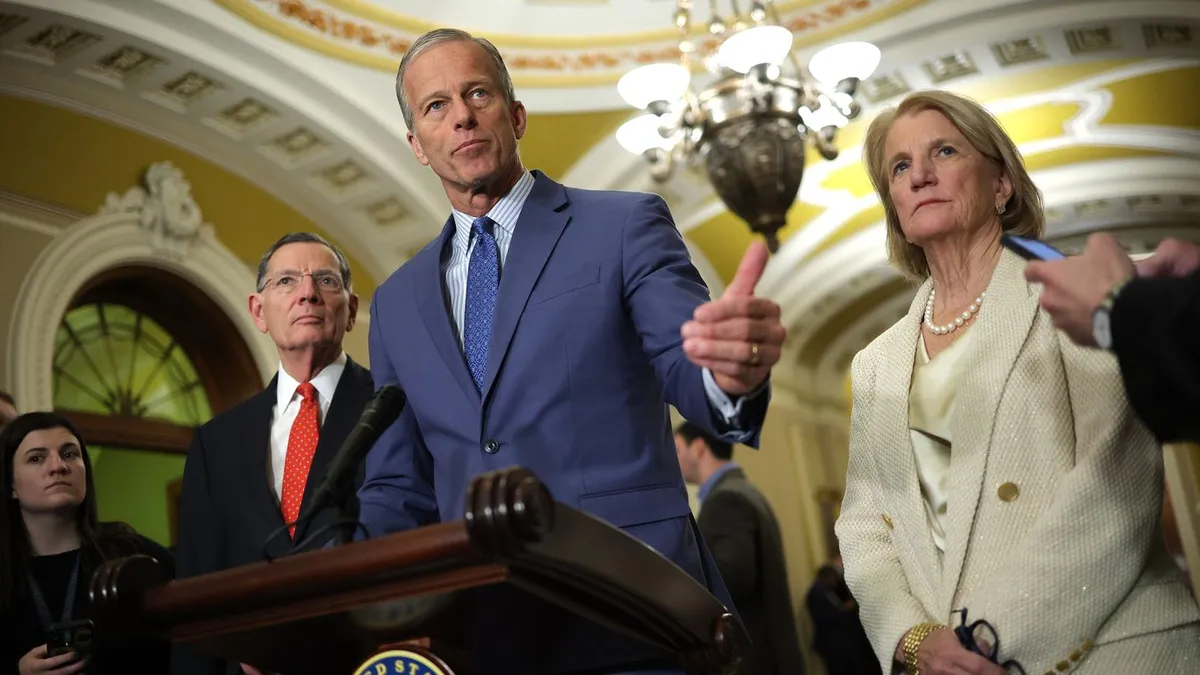
In a dramatic showdown, Senate Republicans successfully blocked a vote on a war powers resolution to restrict military action in Venezuela, marking a crucial victory for President Trump and GOP leaders. This comes after intense last-minute pressure and promises from Secretary of State Marco Rubio.
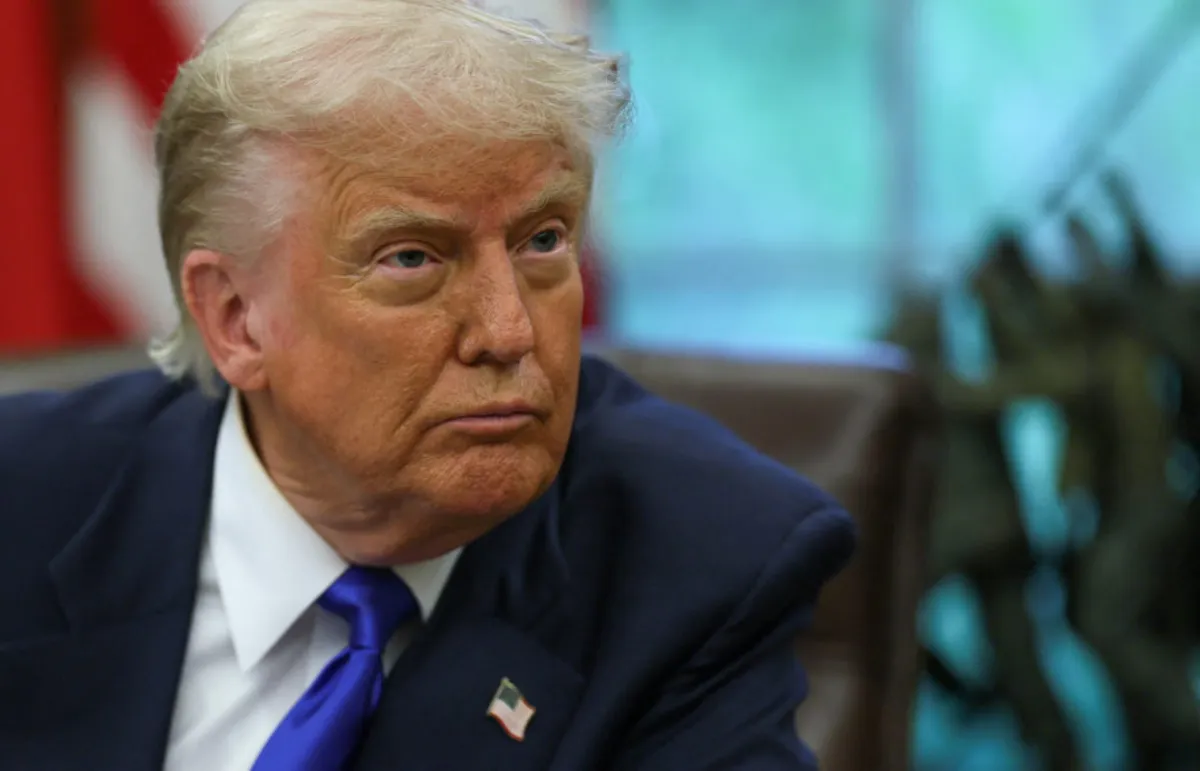
In a fiery response, President Trump criticizes five Republican senators for their vote on a war powers resolution limiting his authority regarding Venezuela. He brands their decision as 'stupidity' and questions the constitutionality of the law.
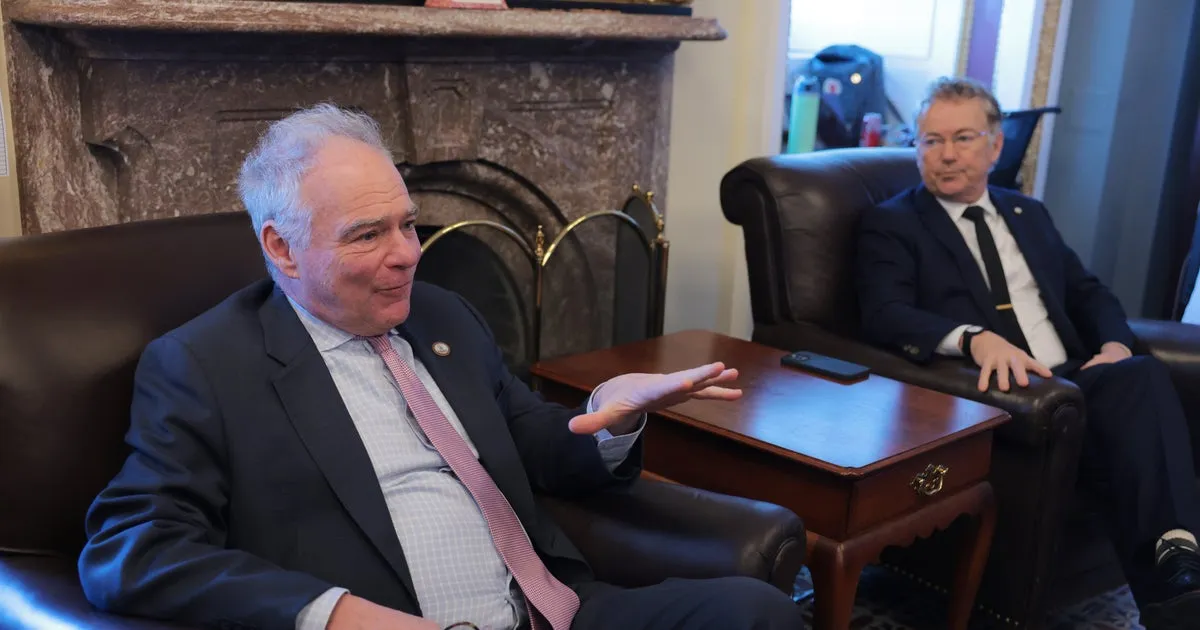
The Senate is set to vote on a resolution limiting President Trump's military actions in Venezuela following the capture of Nicolás Maduro. Concerns grow over unilateral U.S. involvement in the region.
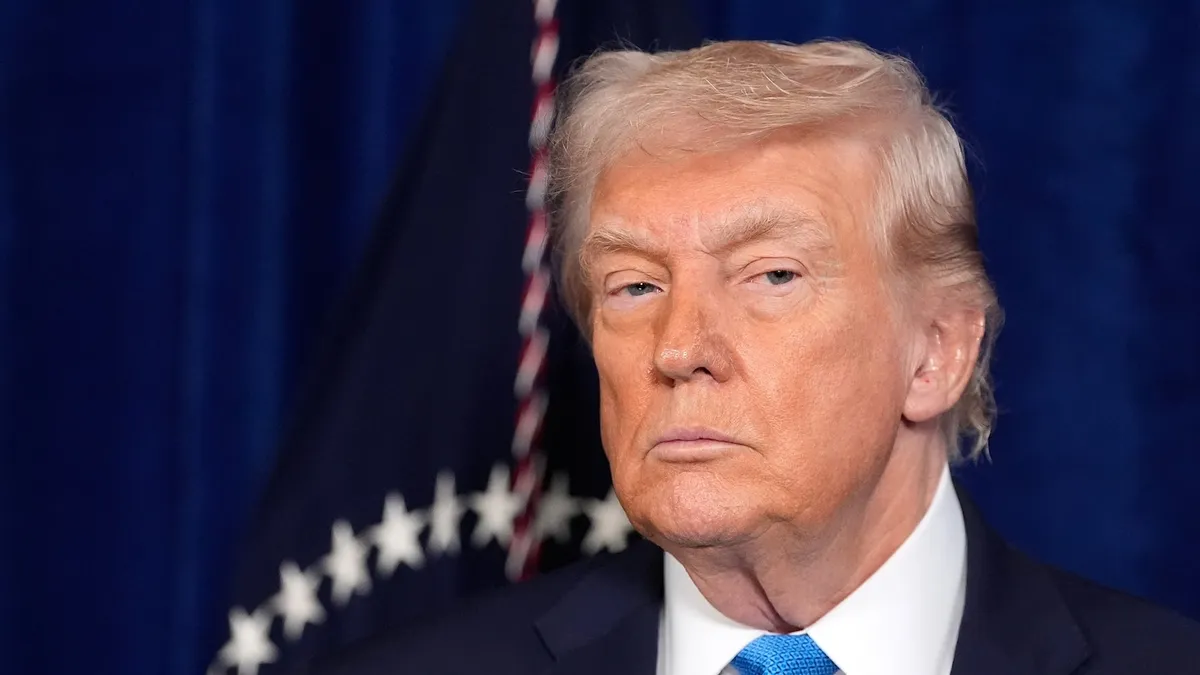
In a dramatic turn of events, the U.S. has launched a strike in Venezuela to arrest Nicolás Maduro. Congressional leaders react with mixed emotions as the Trump administration bypasses pre-notification protocols. What does this mean for U.S. foreign policy?
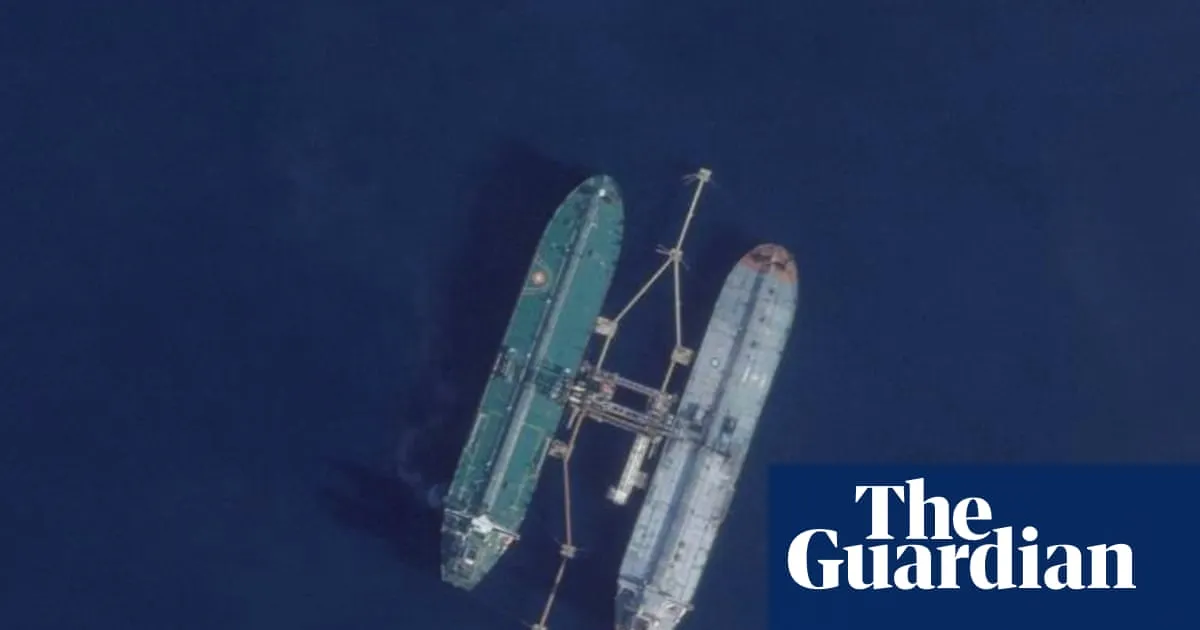
Senior lawmakers from both parties express alarm over the US seizure of a Venezuelan oil tanker, fearing it could trigger conflict. Concerns grow over Trump's military stance and intentions in the region.

In a surprising revelation, the Office of Legal Counsel has informed lawmakers that the Trump administration is not required to seek congressional approval for military actions against drug traffickers in Latin America. This raises significant questions about executive power and the War Powers Resolution.
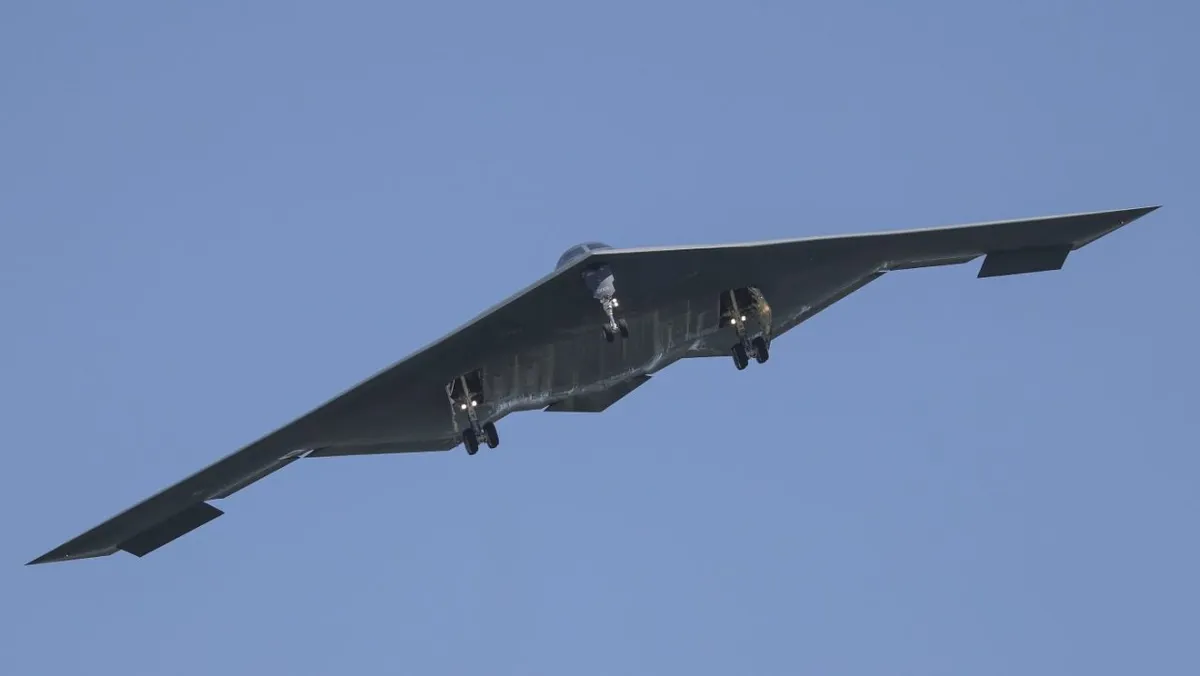
A group of veteran House Democrats has announced their support for a War Powers Resolution following recent U.S. air strikes against Iran. They emphasize the constitutional requirement for Congressional approval before military action.
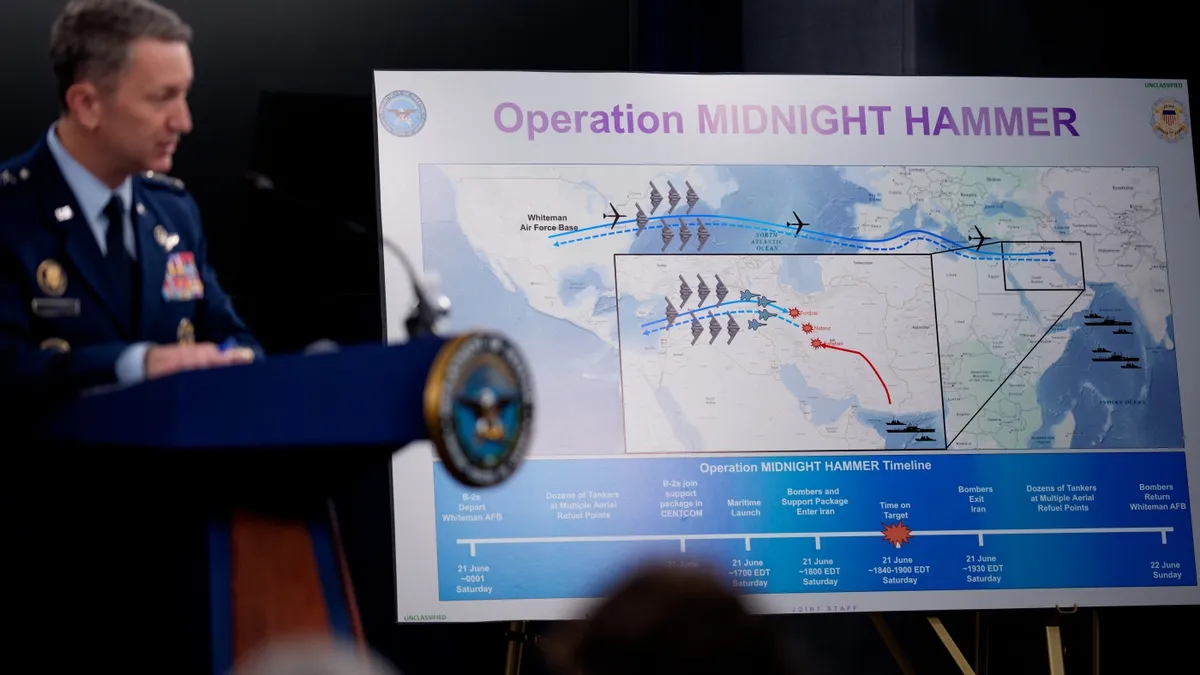
President Trump's recent airstrikes on Iran's nuclear facilities without congressional approval have ignited a fierce debate over constitutional authority. Lawmakers express concern over the president's unilateral actions, raising questions about the balance of power in U.S. military engagements.
In the wake of President Trump's recent strikes on Iranian nuclear facilities, legal experts debate whether he had the constitutional authority to act without Congressional approval. Some defend his actions under Article II, while others raise concerns about the War Powers Resolution.
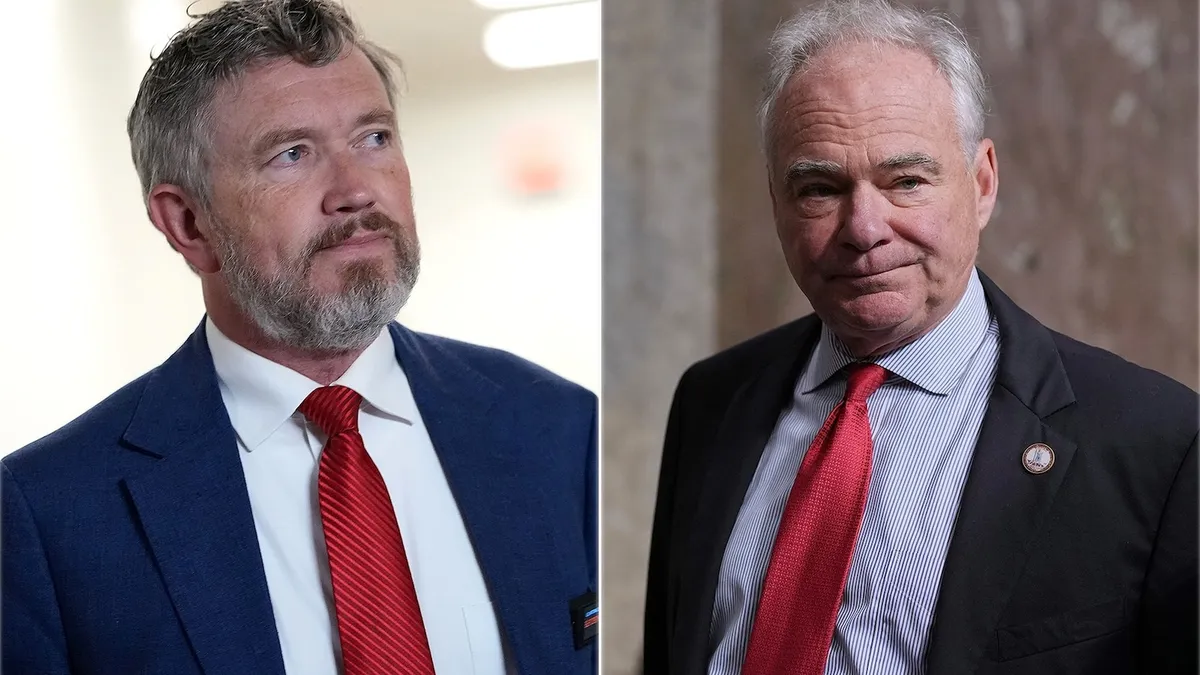
President Trump's recent military strike against Iran faces significant pushback from lawmakers on Capitol Hill, raising questions about its legality and the role of Congress in military actions.