

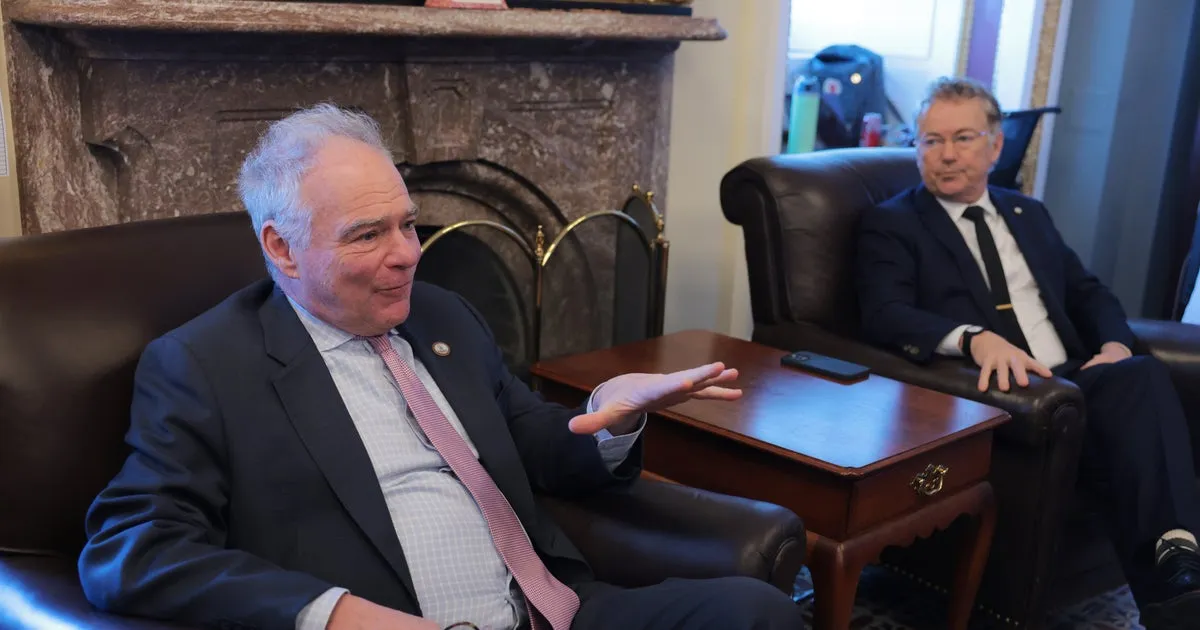
The Senate is set to vote on a resolution limiting President Trump's military actions in Venezuela following the capture of Nicolás Maduro. Concerns grow over unilateral U.S. involvement in the region.
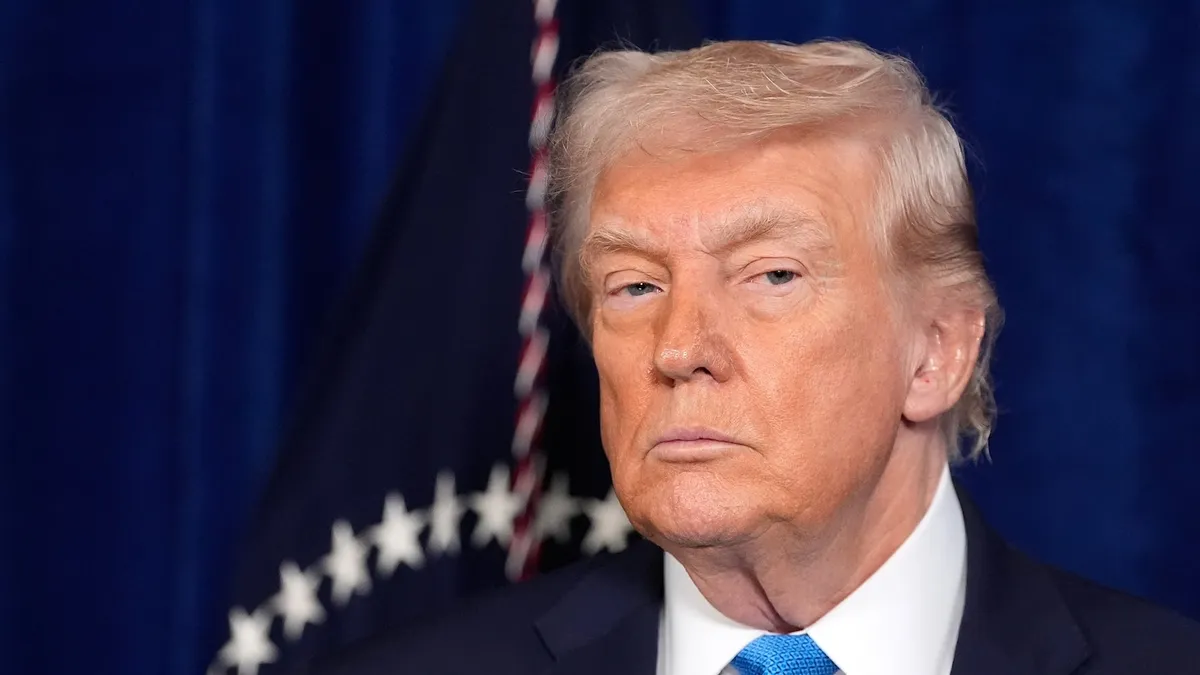
In a dramatic turn of events, the U.S. has launched a strike in Venezuela to arrest Nicolás Maduro. Congressional leaders react with mixed emotions as the Trump administration bypasses pre-notification protocols. What does this mean for U.S. foreign policy?

Senior lawmakers from both parties express alarm over the US seizure of a Venezuelan oil tanker, fearing it could trigger conflict. Concerns grow over Trump's military stance and intentions in the region.

In a surprising revelation, the Office of Legal Counsel has informed lawmakers that the Trump administration is not required to seek congressional approval for military actions against drug traffickers in Latin America. This raises significant questions about executive power and the War Powers Resolution.
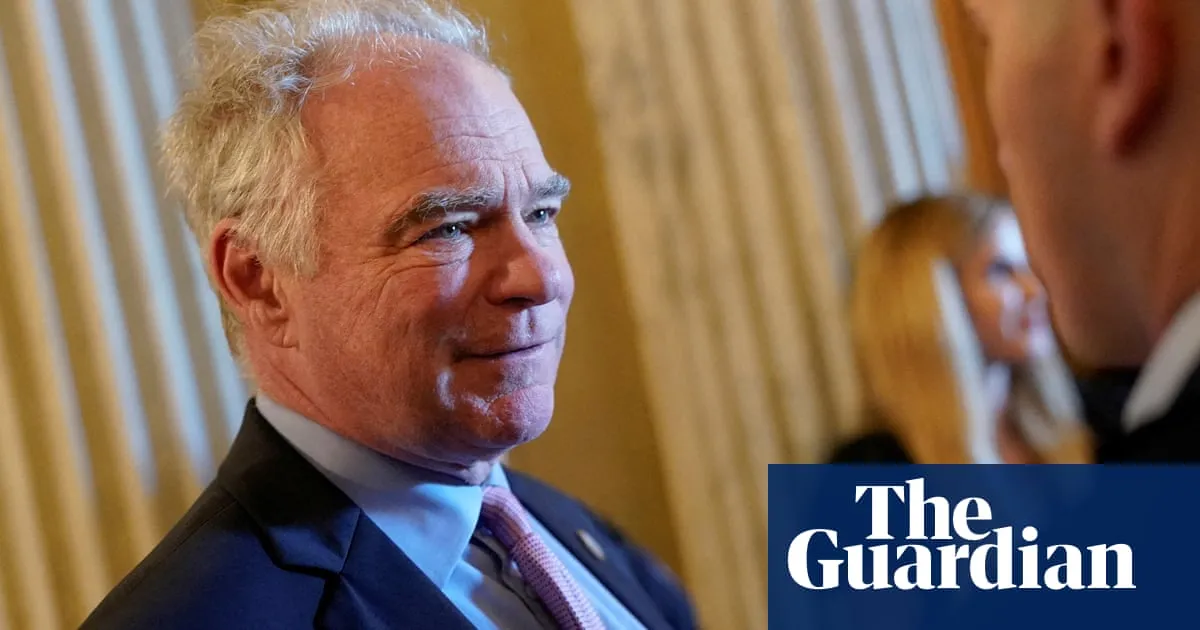
In a contentious vote, Senate Democrats were unable to pass a resolution aimed at restricting President Trump's ability to escalate military conflict with Iran. The measure, introduced by Tim Kaine, highlights ongoing partisan divides over war powers.
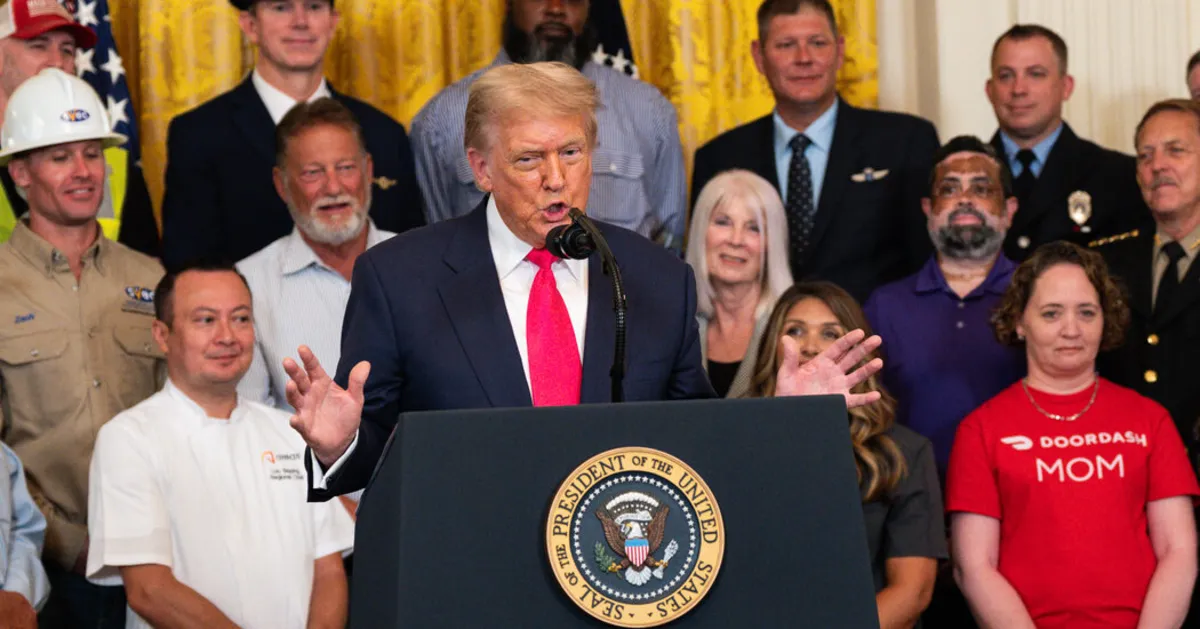
Senators express doubts over Trump's claims that recent strikes obliterated Iran's nuclear capabilities. Frustration mounts as lawmakers demand transparency and accountability from the administration.
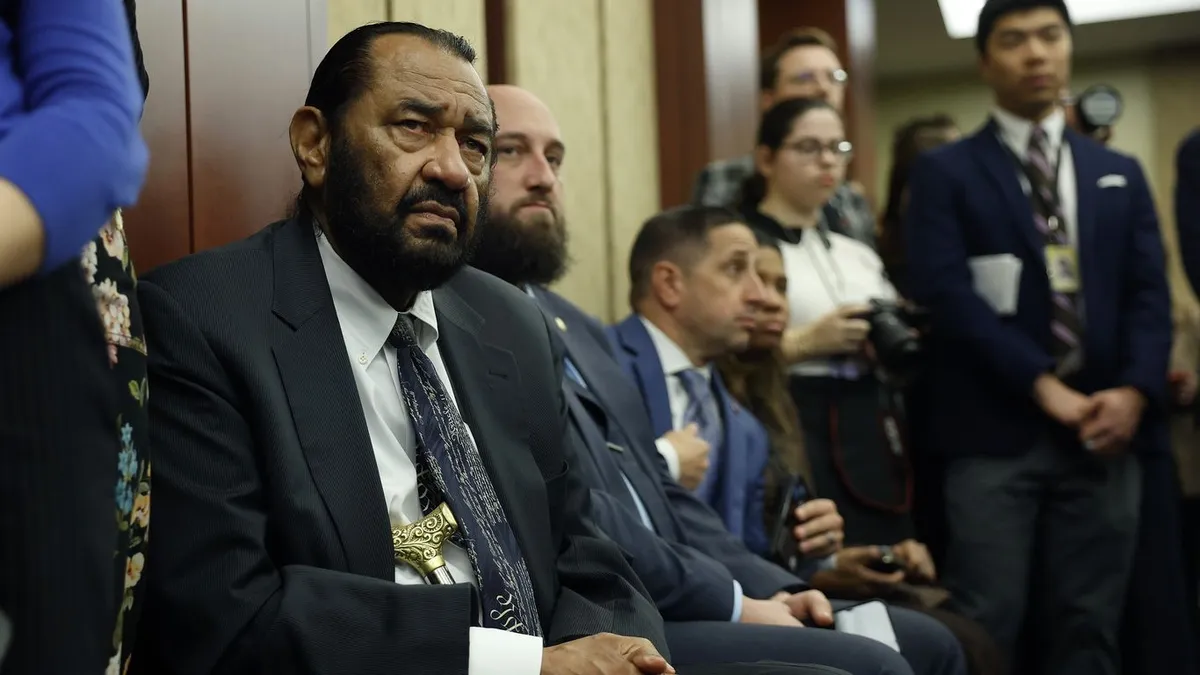
House Democrats are furious over a vote to block impeachment proceedings against President Trump regarding his military actions in Iran. This division highlights ongoing internal tensions within the party.
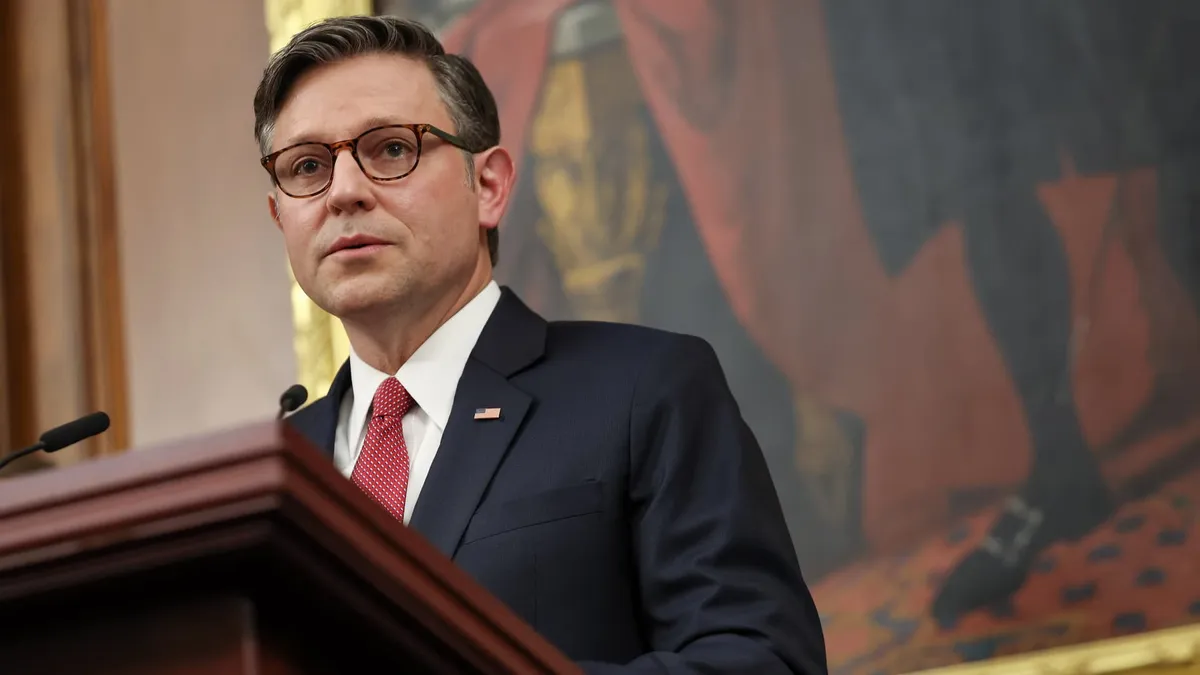
House Speaker Mike Johnson argues that the War Powers Act is unconstitutional and opposes a resolution to limit U.S. military action in Iran. Tensions rise as Trump’s recent strikes complicate the situation.
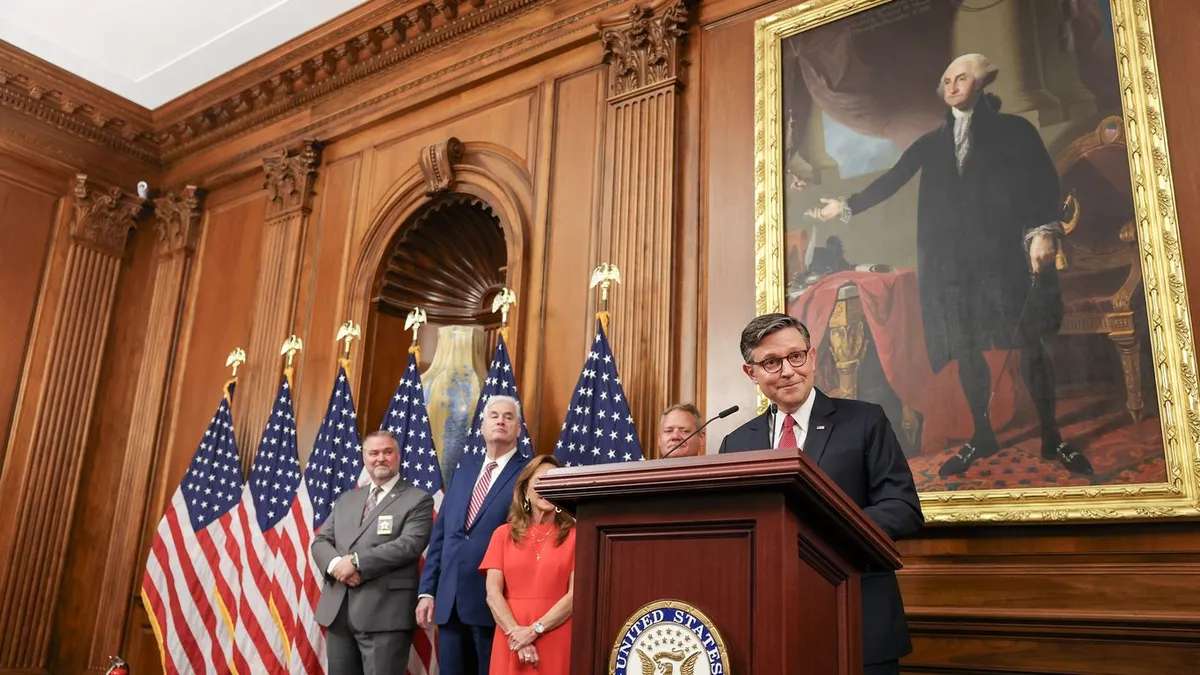
In a bold statement, Speaker Mike Johnson declared the War Powers Act 'unconstitutional,' signaling a significant shift in the debate over President Trump's military authority. As Congress grapples with its power to declare war, Johnson's comments may reshape future military engagements. Will Congress successfully assert its authority?
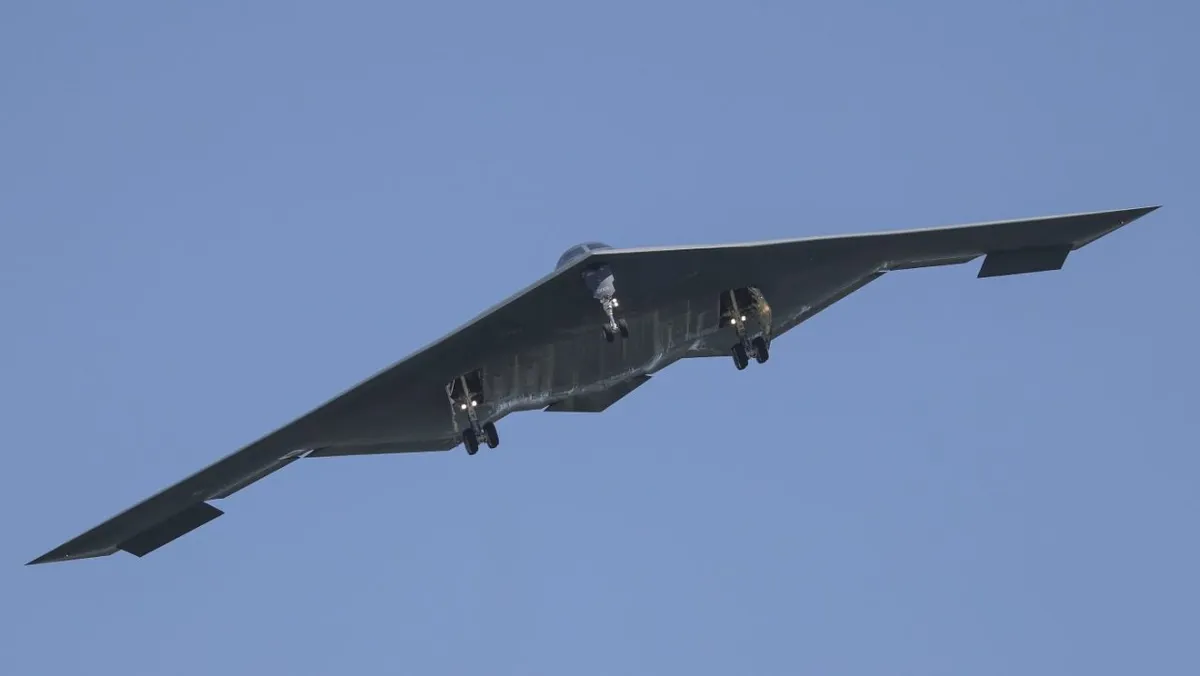
A group of veteran House Democrats has announced their support for a War Powers Resolution following recent U.S. air strikes against Iran. They emphasize the constitutional requirement for Congressional approval before military action.