

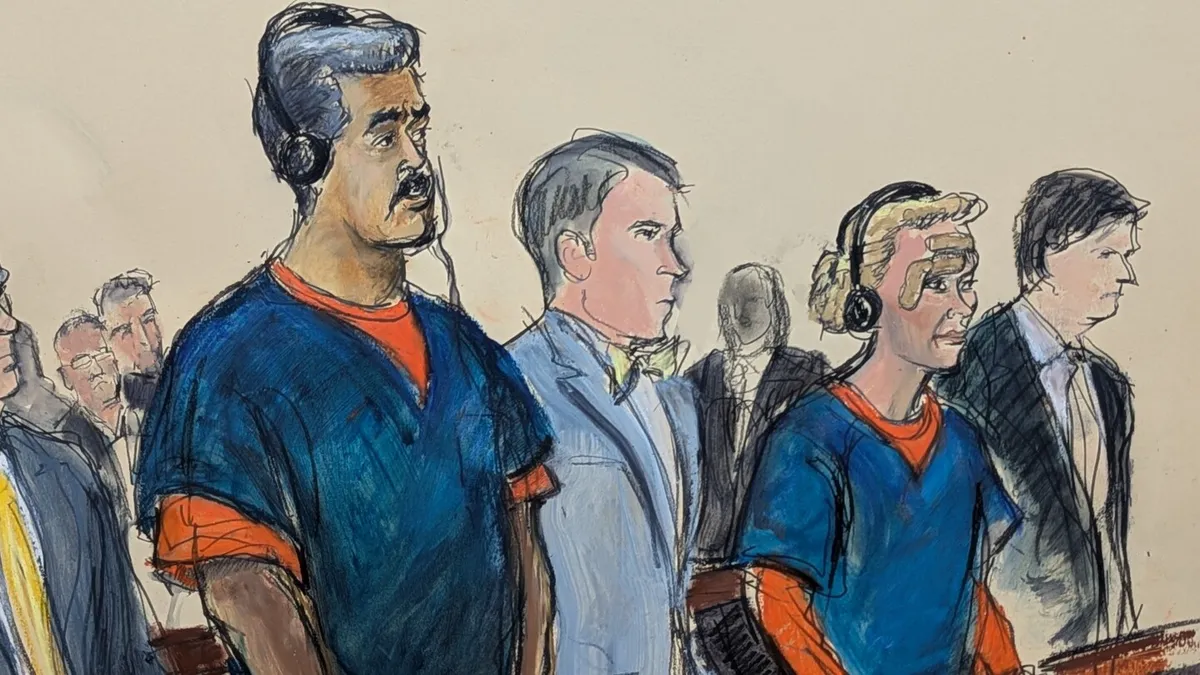
The recent capture of Nicolás Maduro by U.S. forces raises alarm about the future of international law and order. As nations react, could we be witnessing the dawn of a new era of military interventions?
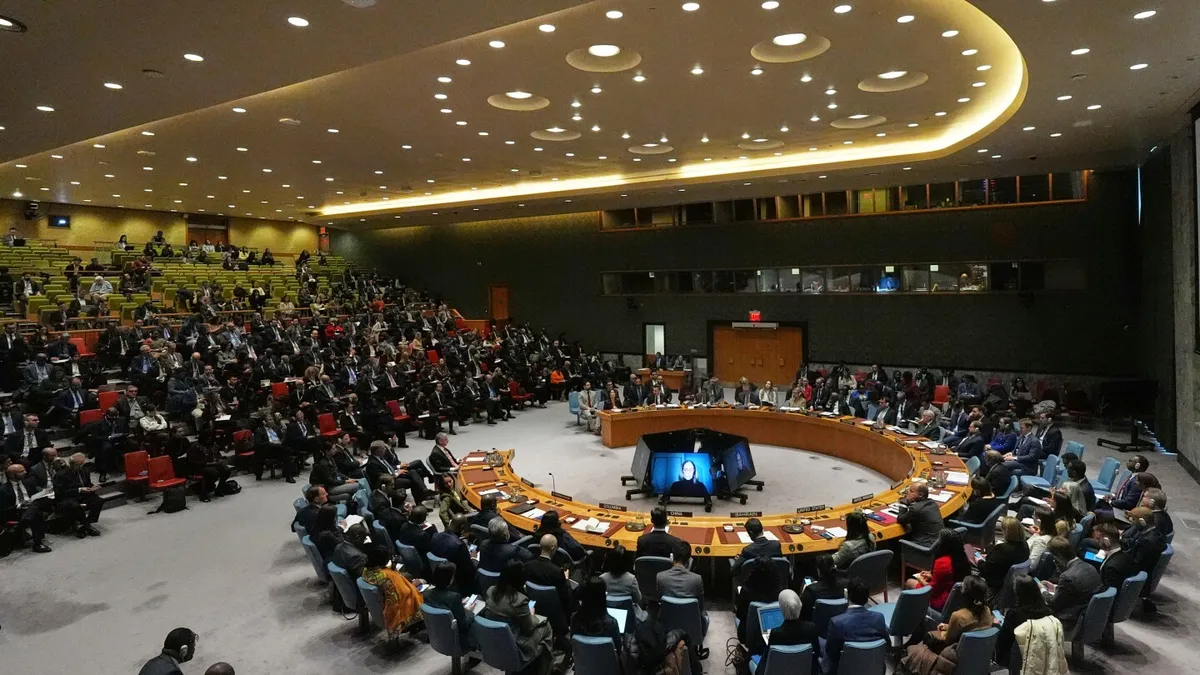
The UN Security Council convened an emergency meeting to oppose the US's military operation that captured Nicolás Maduro, sparking global debates on sovereignty and international law.
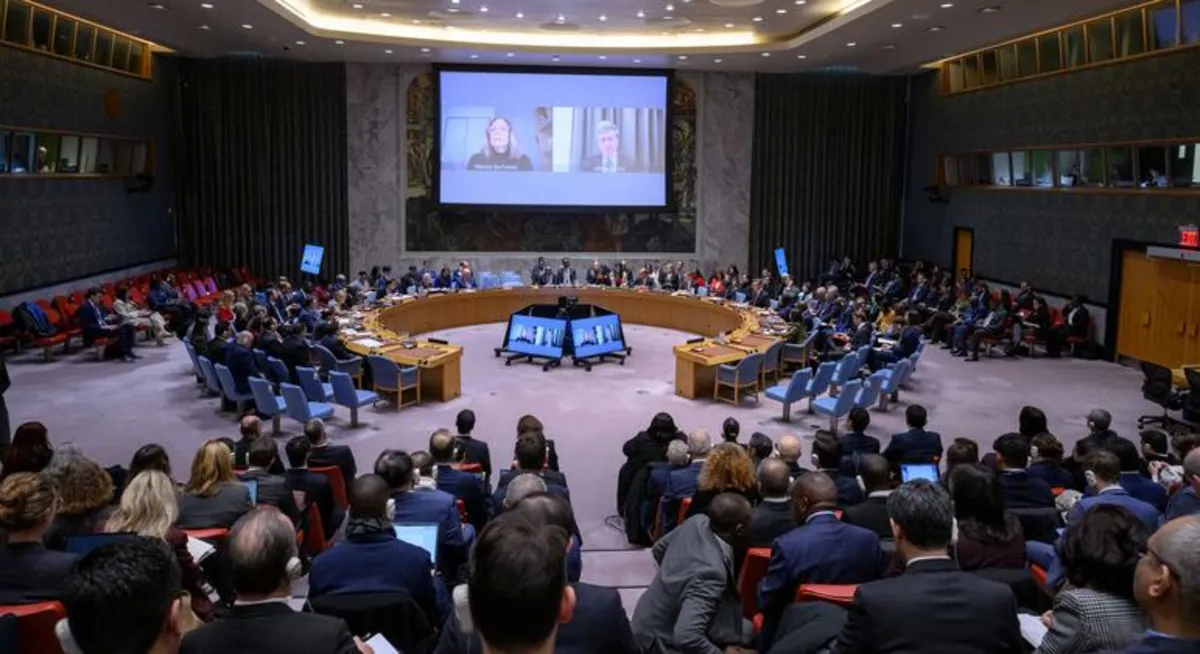
The UN Security Council is in an emergency session to discuss the US's controversial rendition of Venezuelan President Nicolás Maduro, raising concerns about national sovereignty and world order.
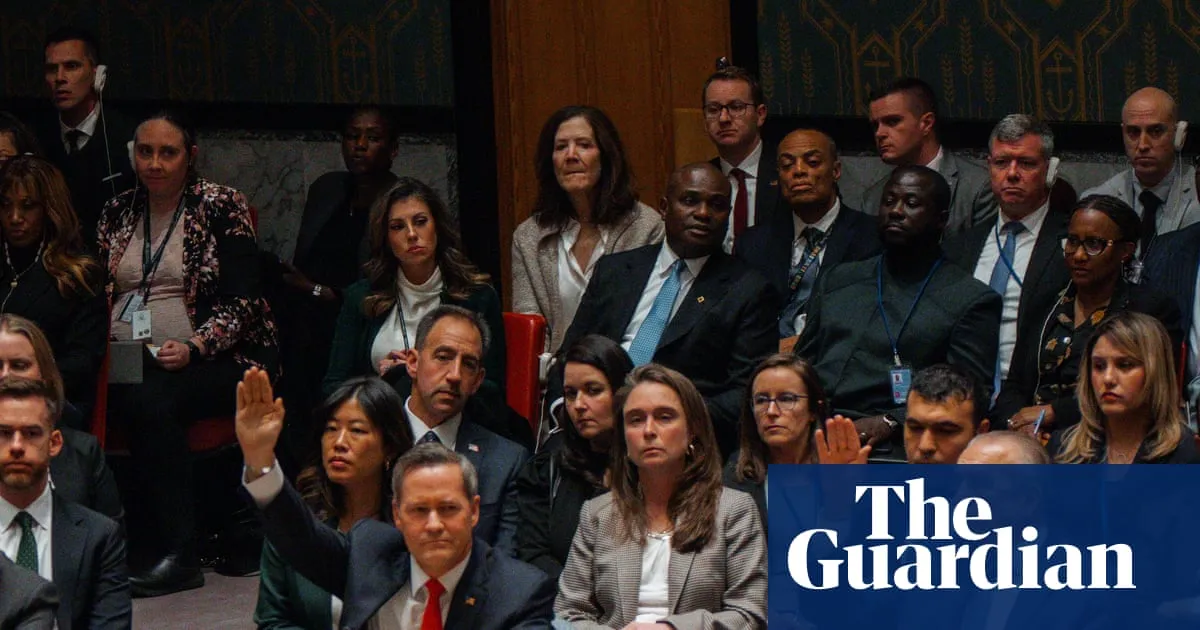
The UN Security Council has approved Donald Trump's peace proposals for Gaza, including an international force and a potential Palestinian state. But will Israel comply? Find out the implications of this historic resolution!
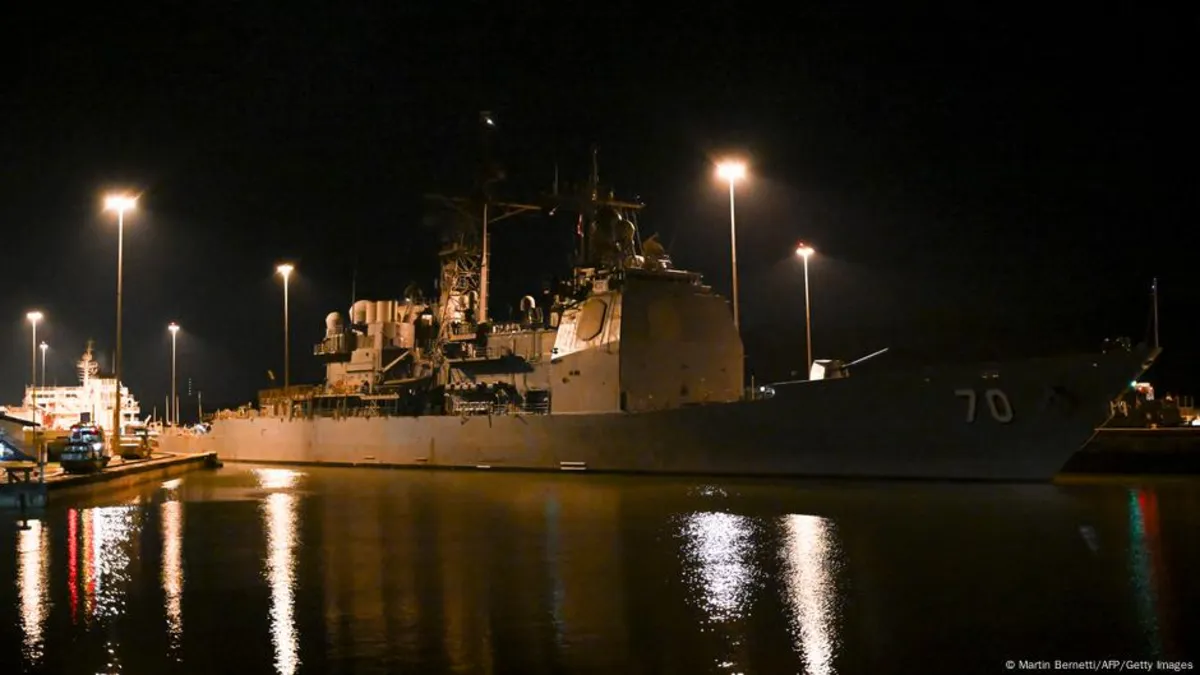
In a dramatic escalation, the US military has detained two survivors following a targeted strike on a drug-carrying submarine linked to Venezuela's Maduro. This marks a controversial chapter in the ongoing fight against narcoterrorism.
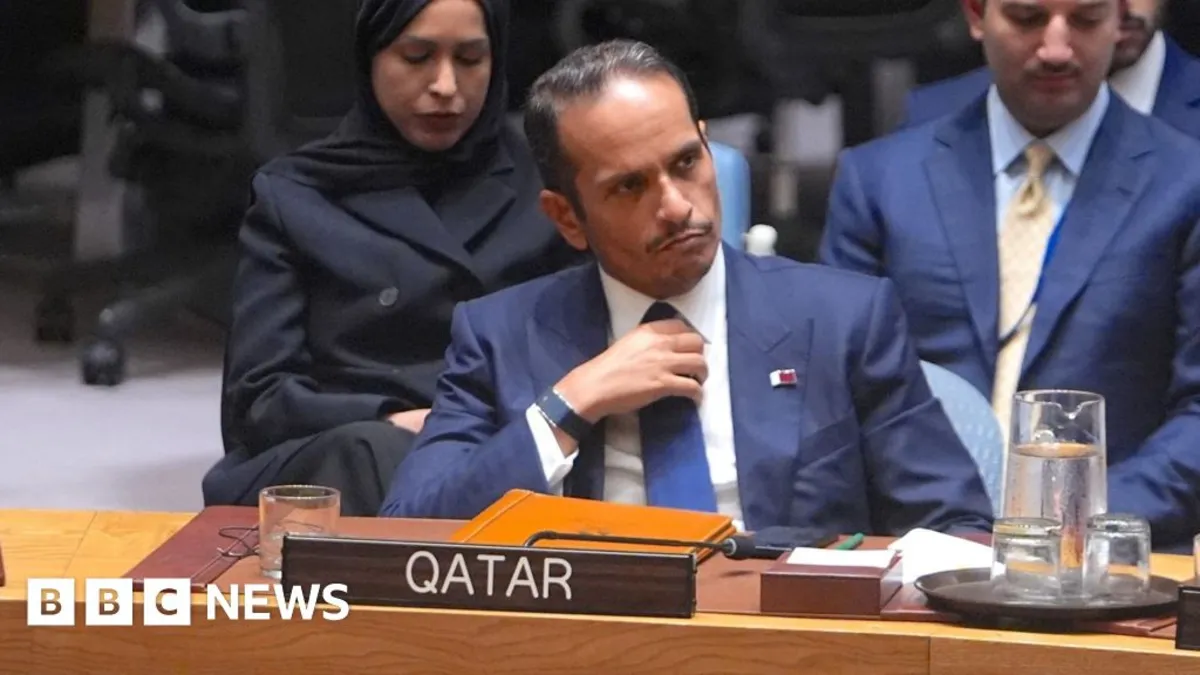
The UN Security Council has condemned Israel for its recent airstrikes on a residential compound in Doha, targeting Hamas leaders. This unprecedented action has raised tensions and questions about international diplomatic efforts.
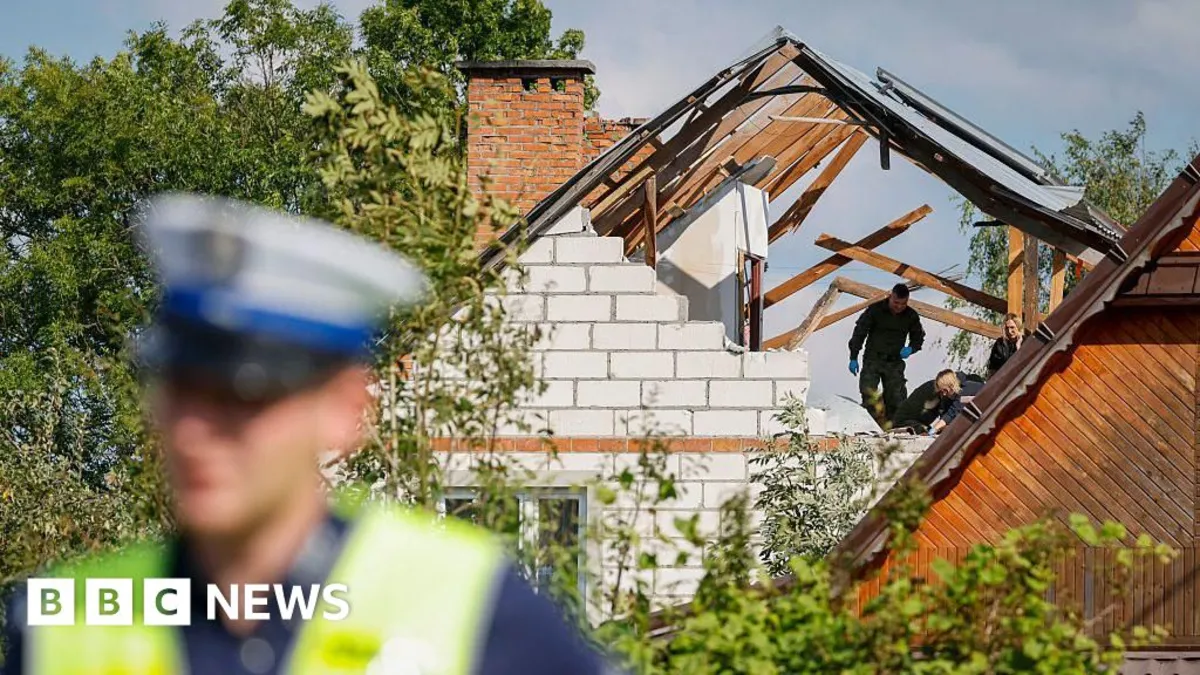
In a significant escalation, NATO allies are reinforcing Poland after multiple Russian drones breached its airspace. Poland seeks a UN Security Council meeting as military support ramps up amid rising tensions.
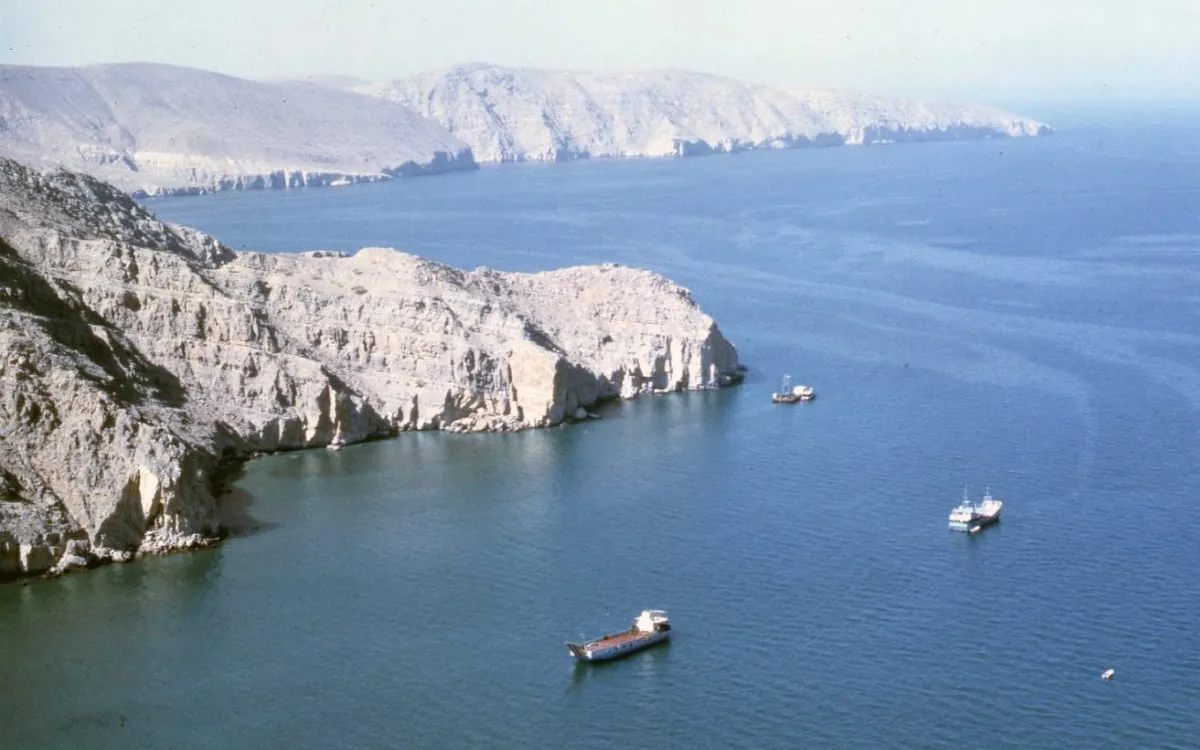
In a dramatic response to U.S. airstrikes on its nuclear sites, Iran's Parliament has voted to close the critical Strait of Hormuz, raising fears of a global oil crisis. The final decision rests with the Supreme National Security Council, as tensions escalate.
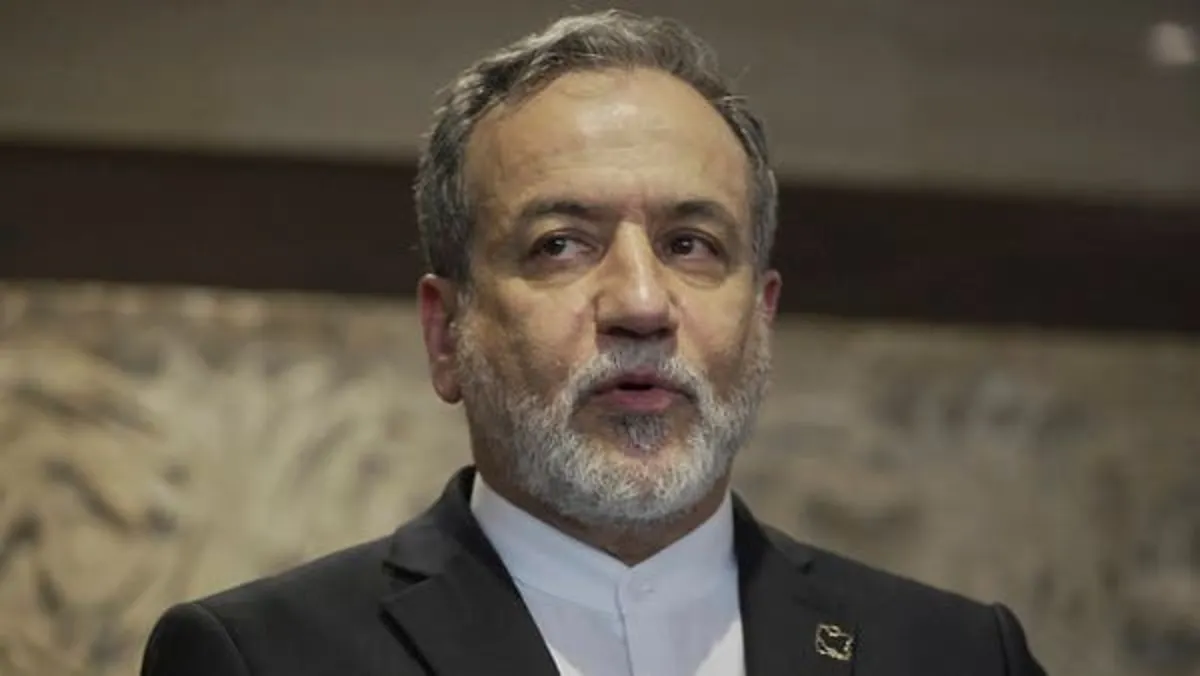
In a recent interview, Iranian Foreign Minister Abbas Araghchi firmly rejected US negotiations, citing ongoing Israeli aggression. As European diplomats convene in Geneva to discuss Iran's nuclear program, the situation escalates.
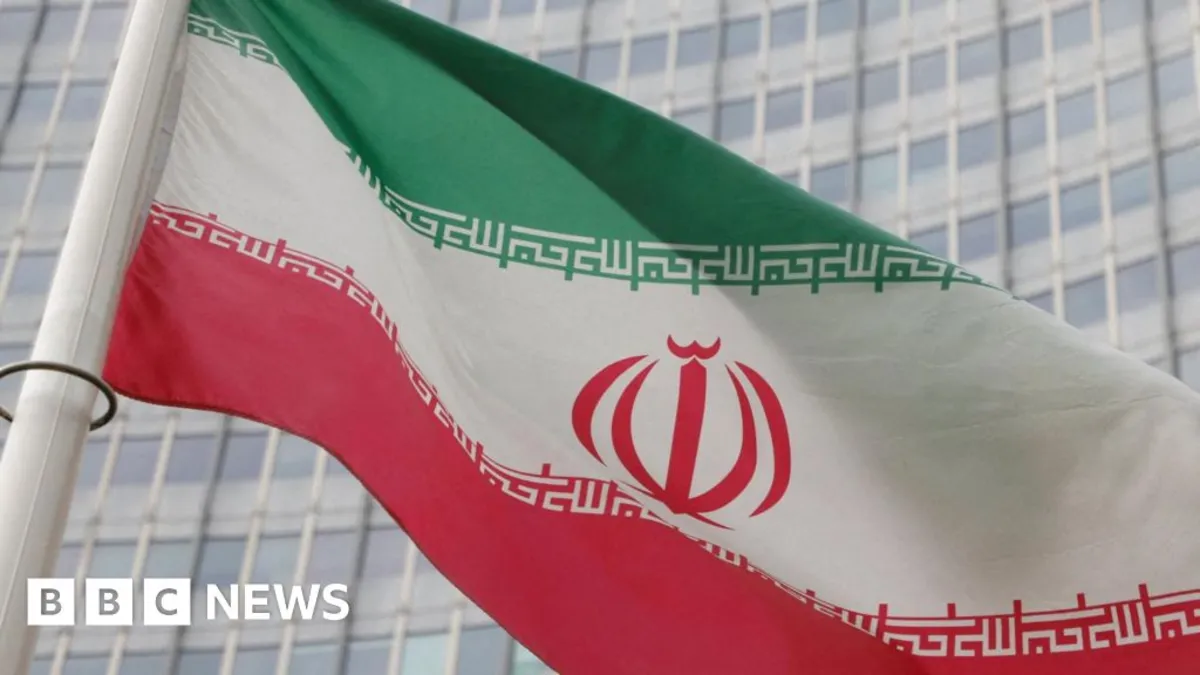
The IAEA has reported that Iran has failed to meet its non-proliferation obligations for the first time in two decades, raising alarms over its nuclear activities and escalating tensions in the Middle East.