


In a heartfelt CBS News town hall, Erika Kirk delivers a powerful message against those justifying her husband's assassination, emphasizing the need for humanity and compassion amid rising political violence.

Vince Gilligan's 'Pluribus' has arrived, and it's making waves! This ambitious sci-fi series stars Rhea Seehorn and promises a wild ride as humanity faces a peculiar new reality. Dive into the chaos and uncover the mysteries behind this gripping narrative!
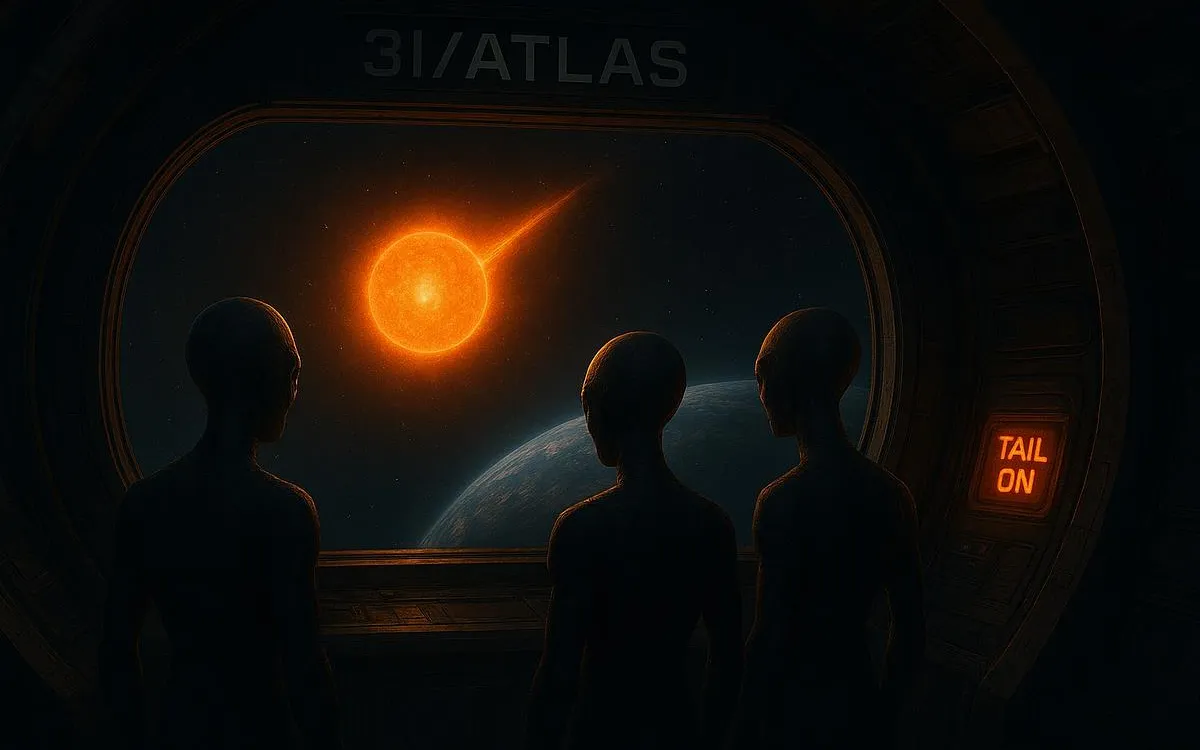
The International Asteroid Warning Network has launched a campaign to study the interstellar object 3I/ATLAS, which may carry alien technology. Discover its surprising qualities and the implications for humanity!

NASA's Orion spacecraft is set to fly four astronauts around the Moon, marking humanity's first return to lunar proximity since 1972. Preparations are underway at Kennedy Space Center for the historic Artemis II mission, with a launch targeted for February 2024.
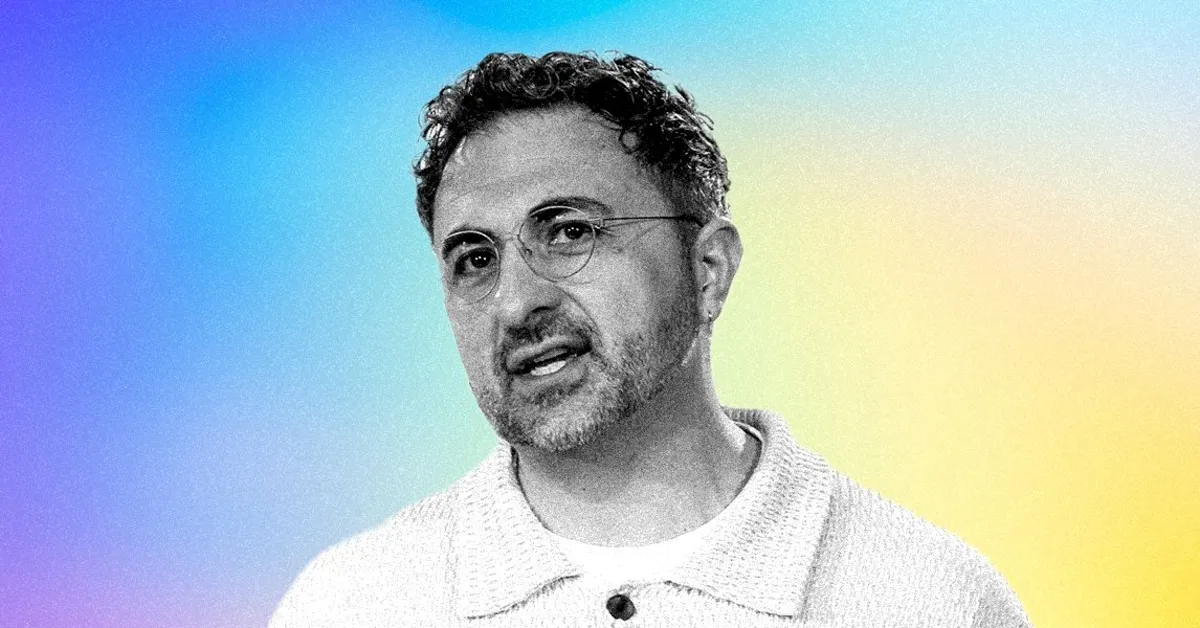
Mustafa Suleyman, former DeepMind co-founder and Microsoft's first AI CEO, argues against designing AI to mimic consciousness, warning it could lead to dangerous consequences. Dive into his insights on AI's future!
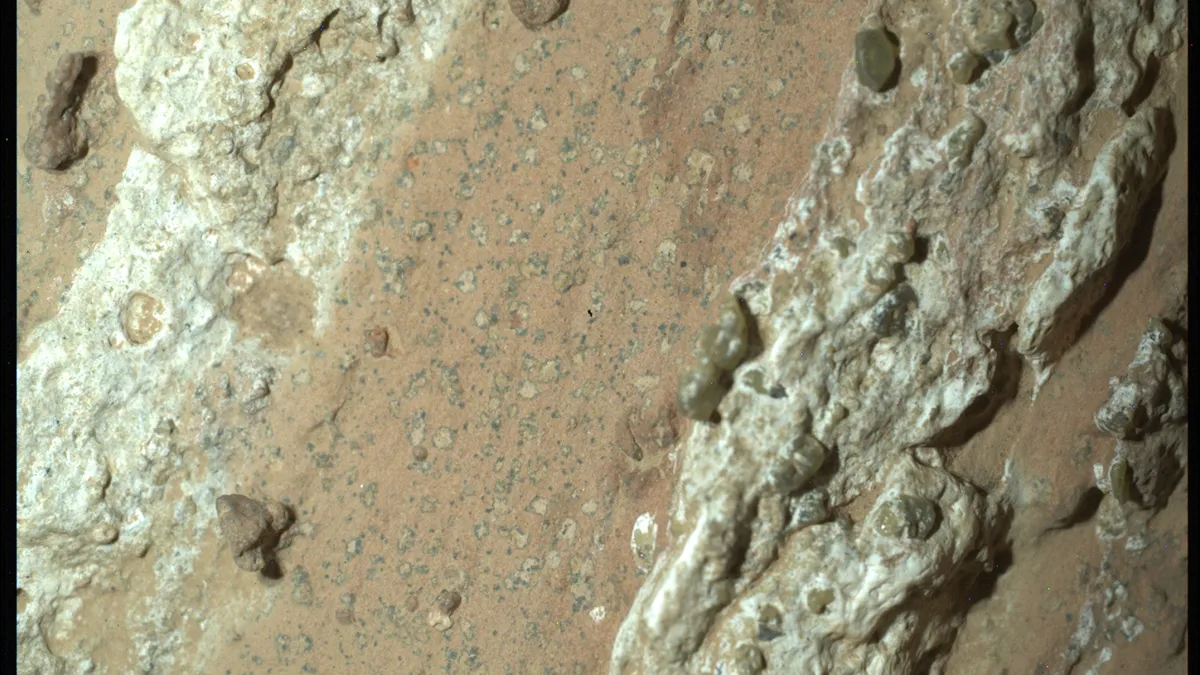
NASA's Perseverance rover has discovered a rock sample on Mars that may contain ancient biosignatures, raising exciting possibilities about life beyond Earth. This groundbreaking finding could change our understanding of life in the universe.
During a Labor Day march in Chicago, Mayor Brandon Johnson fiercely opposed President Trump's threats to send federal troops, emphasizing the city's commitment to democracy and humanity. Meanwhile, Trump announced Rudy Giuliani will receive the Presidential Medal of Freedom.

Julia Roberts defends her film 'After the Hunt' at the Venice Film Festival, addressing accusations of controversy surrounding the #MeToo movement and challenging societal dialogues.
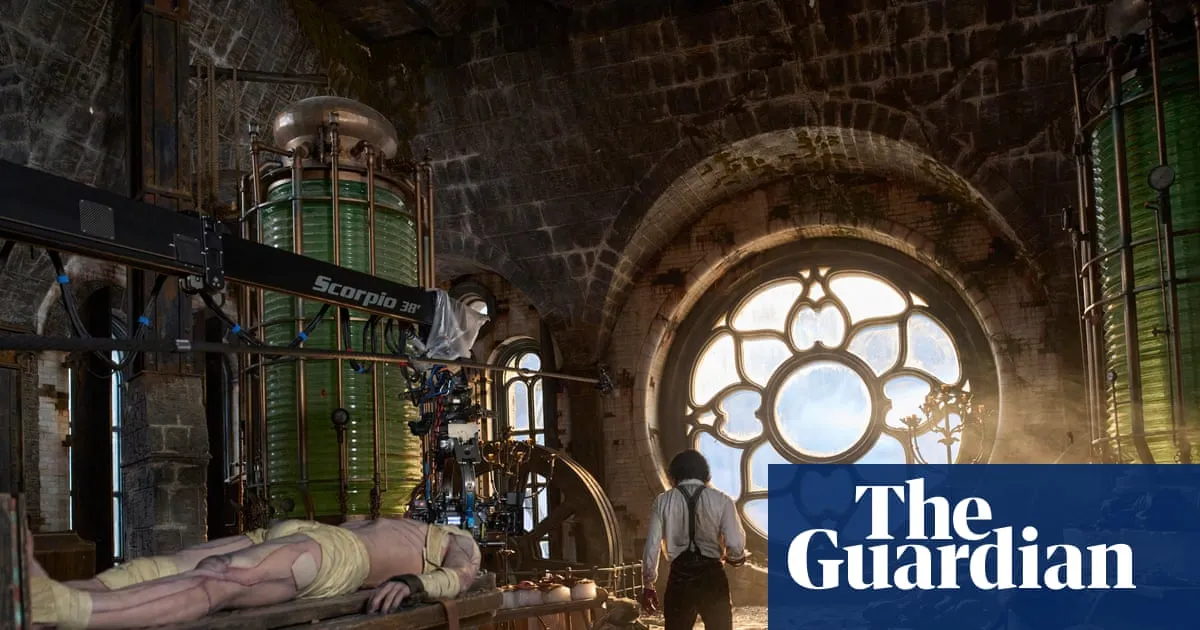
Guillermo del Toro finally presents his adaptation of Mary Shelley's Frankenstein at the Venice Film Festival. With Oscar Isaac and Jacob Elordi, the film explores the thin line between humanity and monstrosity amidst a festival focused on various forms of monsters.

SpaceX's Dragon capsule has returned from the ISS with groundbreaking technology, including advanced materials testing, innovative robotics, and STEM-themed children's books aimed at inspiring future scientists.