


In a controversial operation, the US military struck two boats allegedly involved in drug smuggling, resulting in multiple casualties. Legal experts are questioning the legality of these actions amidst the ongoing 'war on drugs' campaign.
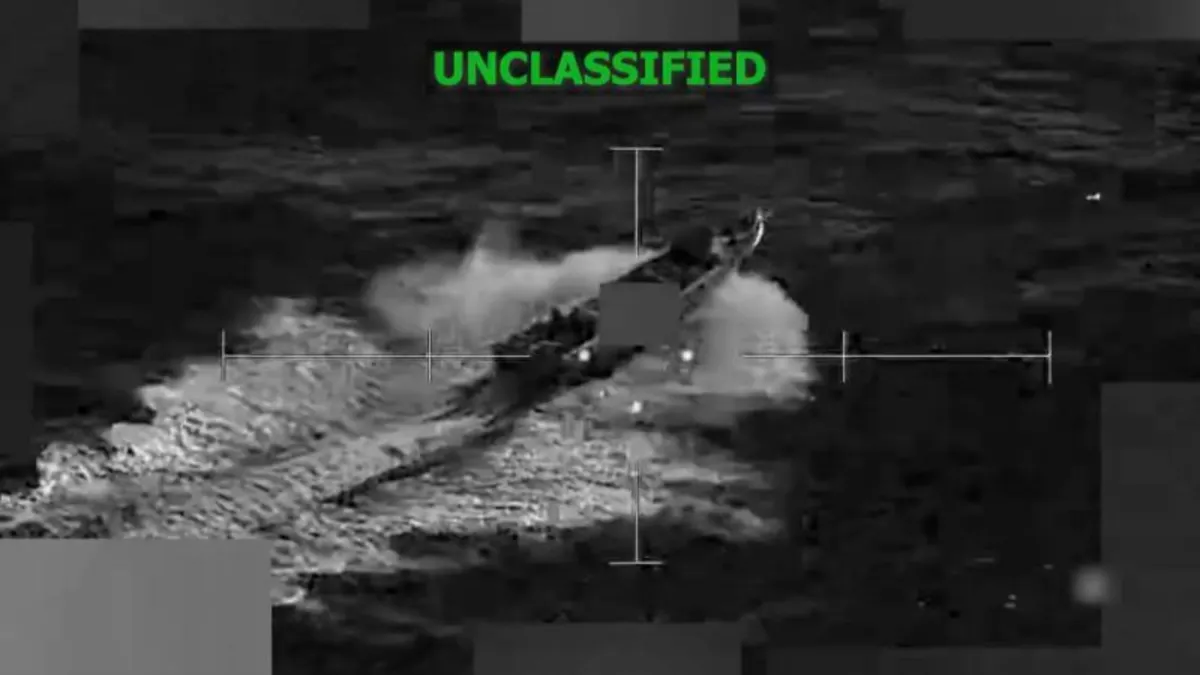
In a bold military operation, the US conducted multiple strikes against drug-trafficking boats in the Pacific, resulting in significant casualties. This aggressive stance is part of a larger campaign against narcotics linked to Venezuela.
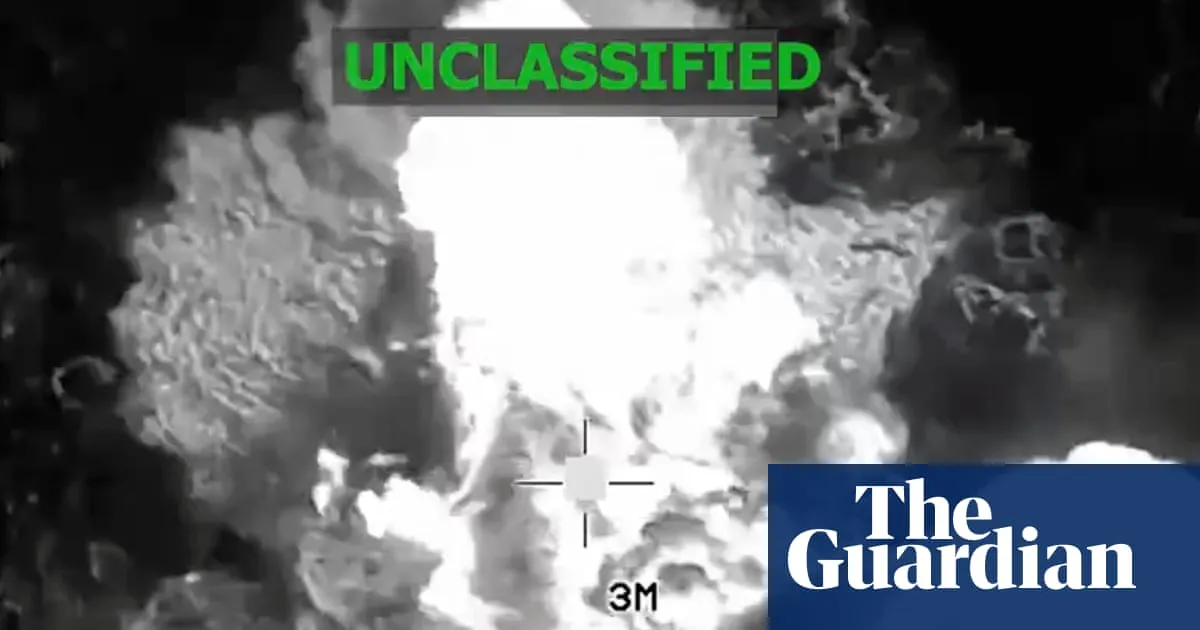
In a recent strike in the Eastern Pacific, the US military killed four men aboard a vessel suspected of carrying illegal narcotics. This attack has sparked intense debate over the legality and ethics of military action against drug traffickers.
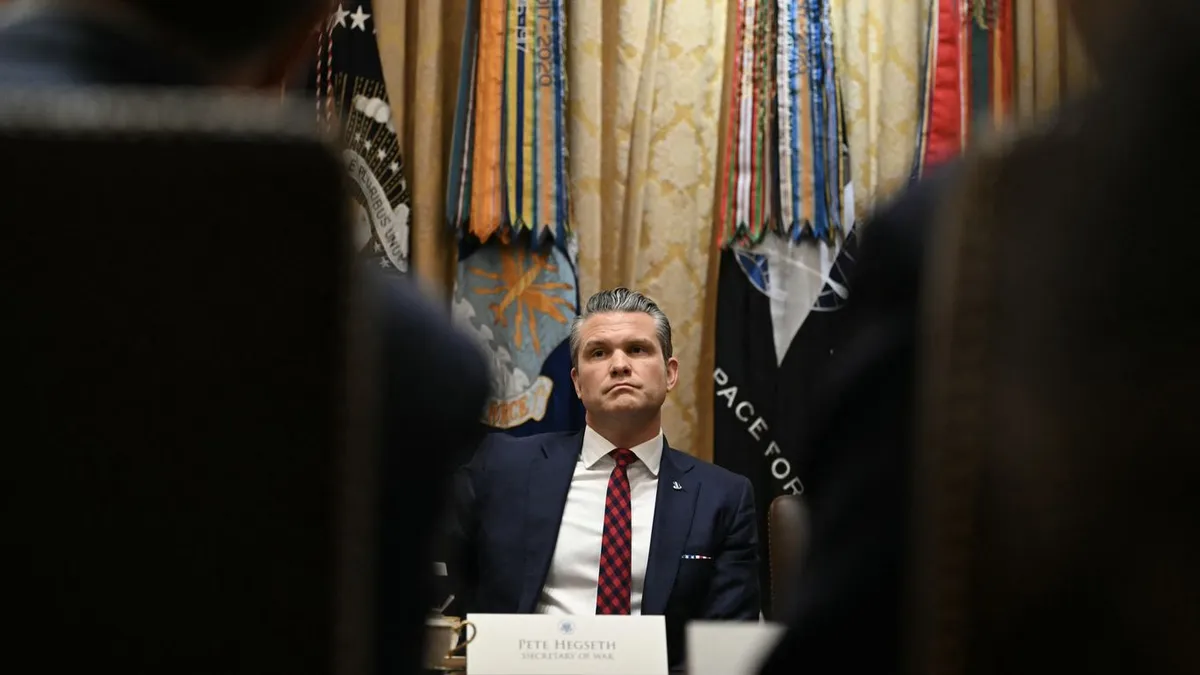
Defense Secretary Pete Hegseth faces scrutiny as reports emerge of a controversial military campaign against alleged drug vessels. Did the U.S. violate international law in its pursuit of narco-terrorists?

The Pentagon has adjusted its military strategy, now focusing on drug traffickers in the Eastern Pacific instead of the Caribbean. This shift raises questions about the effectiveness and legality of recent operations.
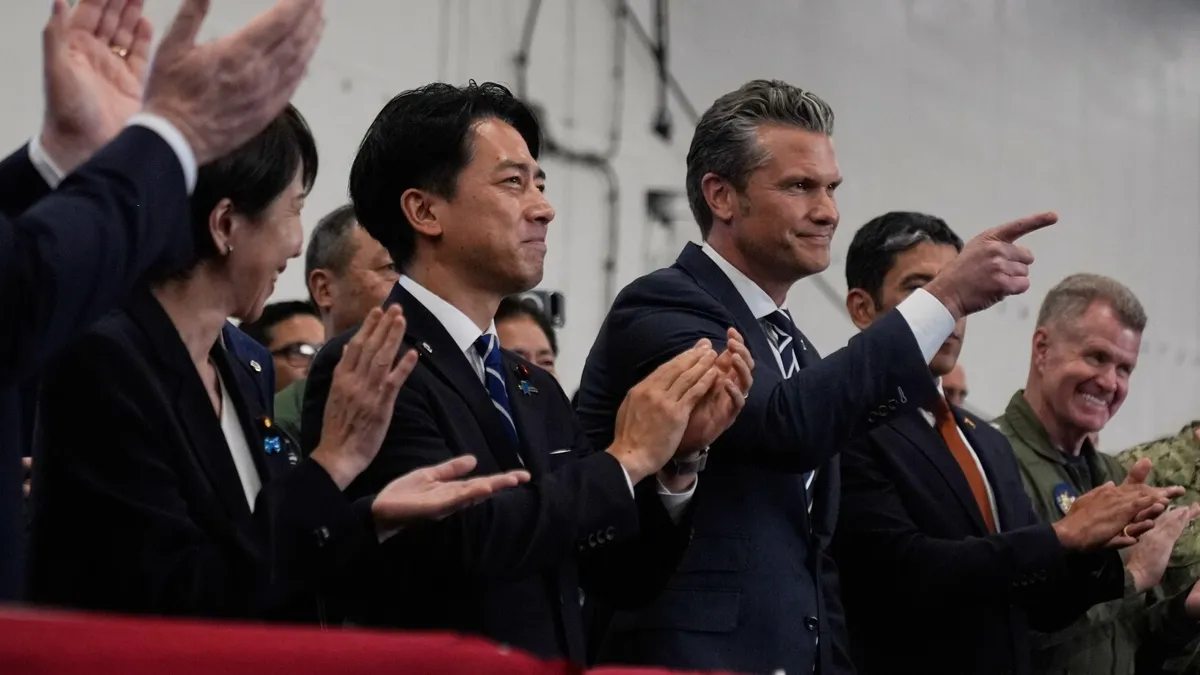
In a dramatic escalation, the U.S. military executed three strikes in the Eastern Pacific against boats linked to drug trafficking, resulting in 14 fatalities. This unprecedented move raises questions about military engagement in the war on drugs.

The U.S. military has intensified its anti-drug campaign in the Eastern Pacific, resulting in nearly 60 casualties from more than a dozen strikes since early September. This marks a significant escalation in the fight against drug traffickers.
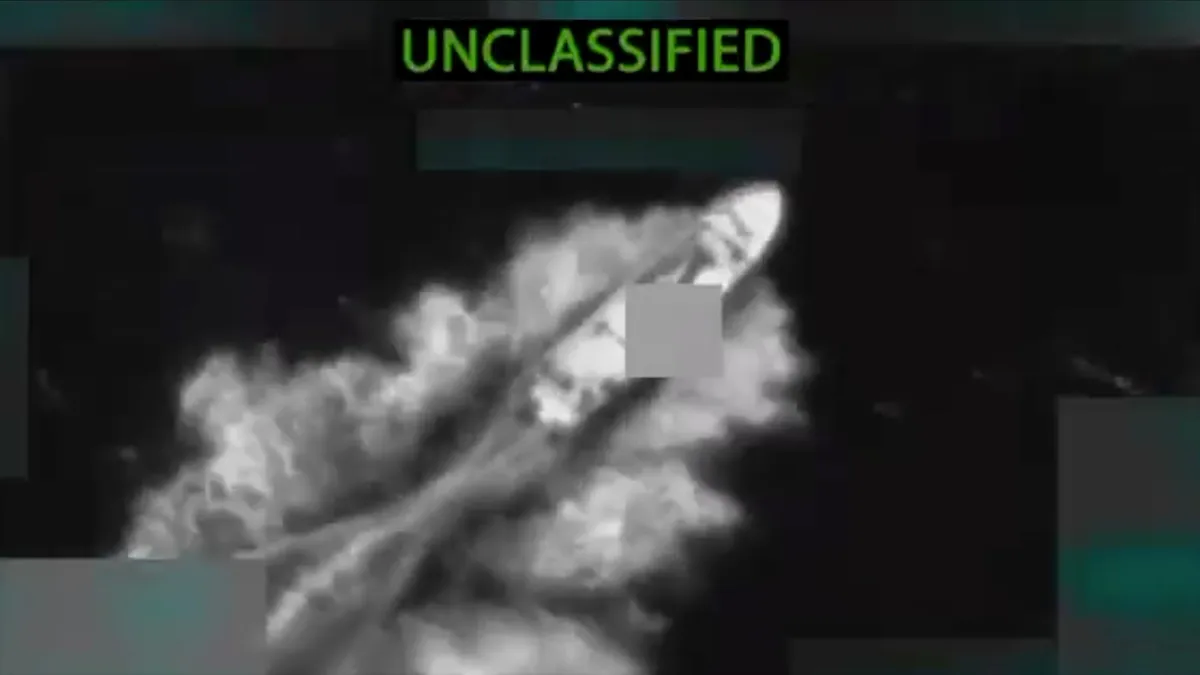
In a bold move, the U.S. military has conducted strikes against drug vessels in the Eastern Pacific, resulting in 14 casualties. This operation marks a significant escalation in the war on drug cartels, with 57 fatalities reported so far.
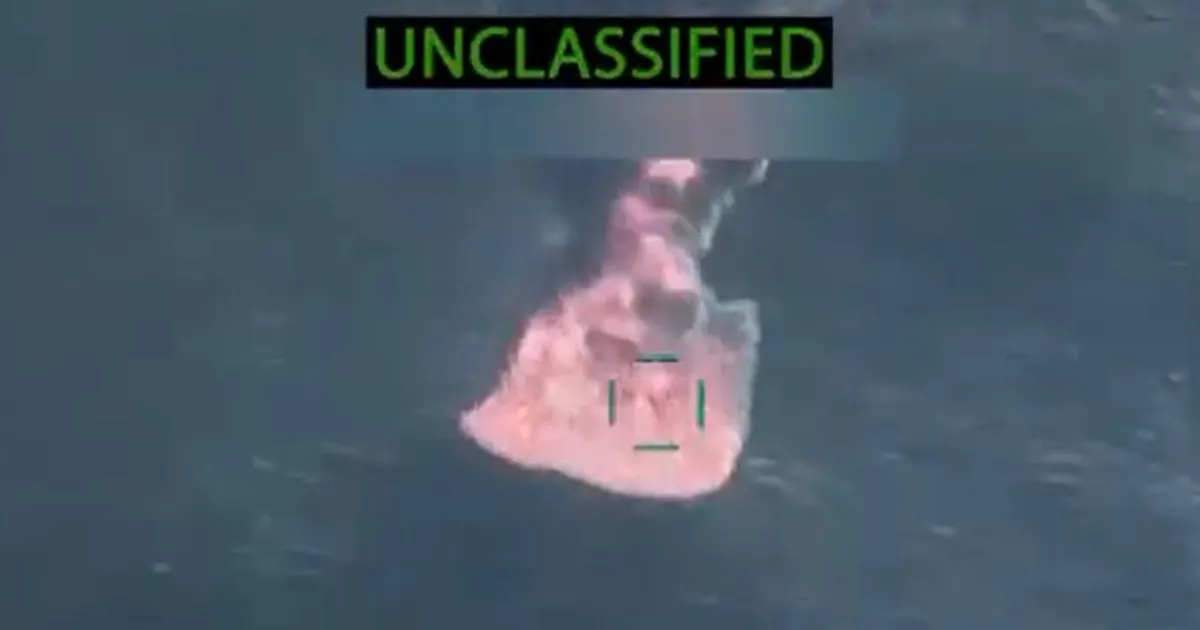
In a bold move, the U.S. military launched strikes against drug trafficking vessels in the eastern Pacific, resulting in 14 deaths. Defense Secretary Hegseth emphasizes a harsh stance on narco-terrorism.