

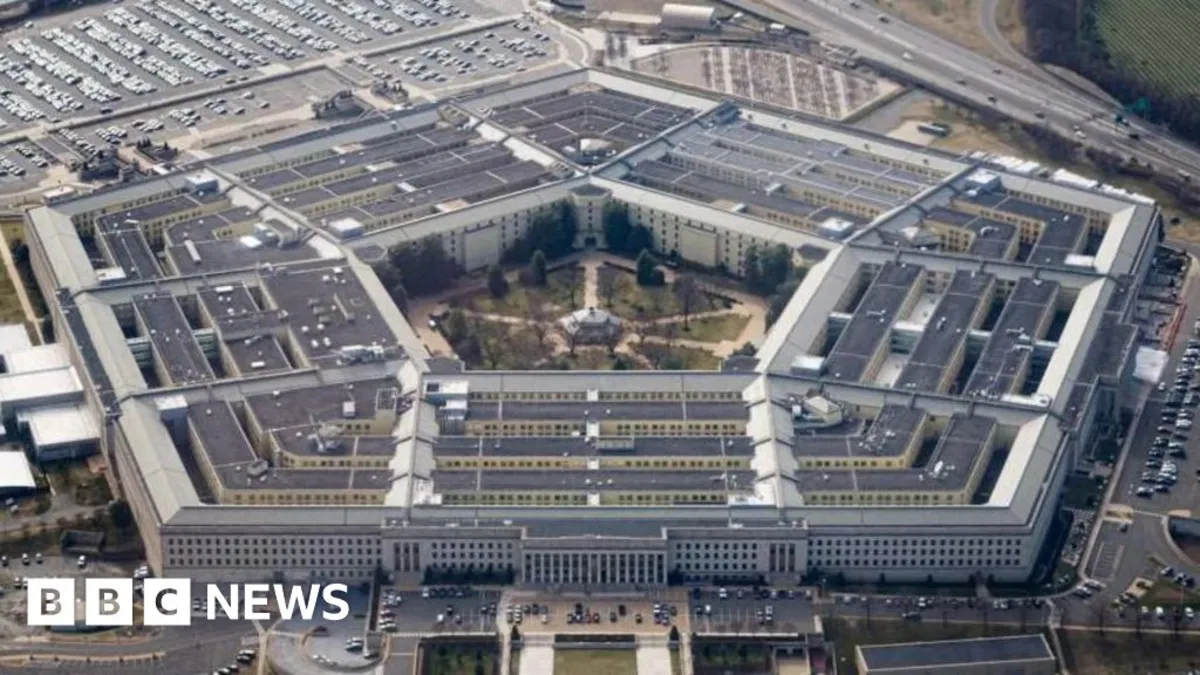
The Pentagon's new National Defense Strategy marks a significant turning point in the way the United States approaches its defense commitments. In a notable change, the Department of Defense has redefined its primary security priorities, emphasizing the protection of the US homeland and the Western Hemisphere over previous concerns regarding China. This shift reflects a broader reevaluation of global threats, with implications for how the US engages with its allies.
Historically, previous iterations of the National Defense Strategy identified the threat from China as the foremost defense priority, published every four years. However, the latest 34-page report suggests that the US will adopt a more measured approach in its relations with China, promoting strength rather than confrontation. This change aligns with calls from former President Donald Trump for increased burden-sharing among allies, particularly in addressing threats from Russia and North Korea.
The latest strategy document follows the US National Security Strategy released the previous year, which characterized Europe as facing a civilizational collapse while refraining from categorizing Russia as a direct threat to the US. In contrast, the 2018 strategy highlighted revisionist powers, such as China and Russia, as central challenges to American security.
The Pentagon's new strategy emphasizes the need for American allies to assume greater responsibility in their own defense. It suggests that many partners have become reliant on the US for defense support, highlighting the necessity for them to enhance their capabilities. Importantly, the strategy clarifies that this shift does not indicate a move towards isolationism. Instead, it advocates for a more focused and strategic approach to national threats.
Furthermore, the report states that the US wishes to distinguish its interests from those of the broader global landscape. It argues against equating threats to distant individuals with those faced by Americans at home. The implication is that allies, particularly in Europe, will need to lead initiatives against threats that may not pose an immediate danger to the US but are more severe for them.
In terms of specific threats, Russia is characterized as a persistent yet manageable challenge to NATO's eastern members, particularly in light of its full-scale invasion of Ukraine nearly four years ago. Unlike prior versions of the strategy, the new report does not mention Taiwan, the self-governing island claimed by China. However, it does affirm the US commitment to preventing any nation, including China, from dominating the US or its allies.
Last year, the US announced a substantial arms sale to Taiwan valued at $11 billion, which prompted military drills from China in response. This highlights the delicate balance of power in the region and the ongoing complexities surrounding US-Taiwan-China relations.
The updated strategy also outlines a more limited role for US deterrence regarding North Korea. The report states that South Korea is now capable of taking primary responsibility for addressing threats from the North, indicating a shift towards regional self-reliance.
Since Trump began his second term, a series of significant actions have taken place, including the seizure of Venezuelan President Nicolás Maduro, military strikes against alleged drug trafficking boats, and increased pressure on allies to secure strategic territories like Greenland. The strategy reiterates the Pentagon's commitment to ensuring US military and commercial access to key areas, such as the Panama Canal and the Gulf of America.
The document emphasizes that the Trump administration's approach will differ fundamentally from the idealistic strategies of past post-Cold War administrations. It boldly declares, “Out with utopian idealism; in with hardnosed realism,” signaling a decisive pivot in US defense policy.