

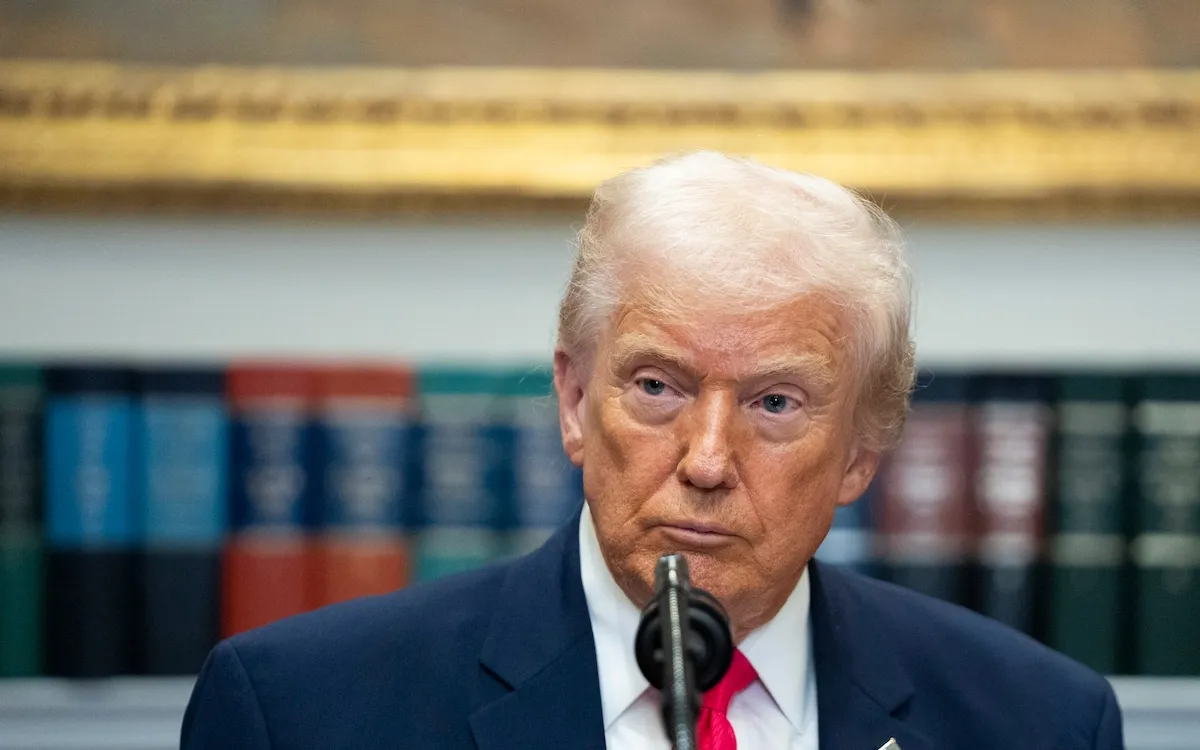
On Thursday, President Donald Trump announced that he has granted a pardon to Tina Peters, a former county clerk from Colorado. This decision comes after Peters was convicted in state court on felony charges linked to her attempts to overturn the 2020 presidential election.
Tina Peters, who served as the county clerk in Mesa County, has been at the center of a highly publicized legal battle. Her conviction stemmed from actions that included unauthorized access to voting machines and disseminating sensitive election data. These actions were part of her efforts to challenge the integrity of the 2020 election results, which Trump and his supporters have repeatedly claimed were fraudulent.
The pardon issued by President Trump raises significant questions about the political landscape and the ongoing discourse surrounding election integrity. By extending clemency to Peters, Trump not only supports her claims but also reinforces his narrative regarding the legitimacy of the 2020 presidential election. This move is likely to resonate with his base, who continue to scrutinize the election's outcome.
The reaction to Trump's pardon has been mixed. Supporters of Peters view it as a validation of her efforts to expose what they perceive as electoral fraud. Conversely, critics argue that the pardon undermines the rule of law and sets a dangerous precedent for future elections. Legal experts suggest that this decision could embolden others to engage in similar actions under the belief that they might receive presidential clemency.
As the political landscape continues to evolve, the pardon of Tina Peters by President Trump is a significant event that highlights the ongoing tensions surrounding election integrity in the United States. This decision not only impacts Peters' future but also reflects Trump's enduring influence within the Republican Party and his commitment to his narrative about the 2020 election.