

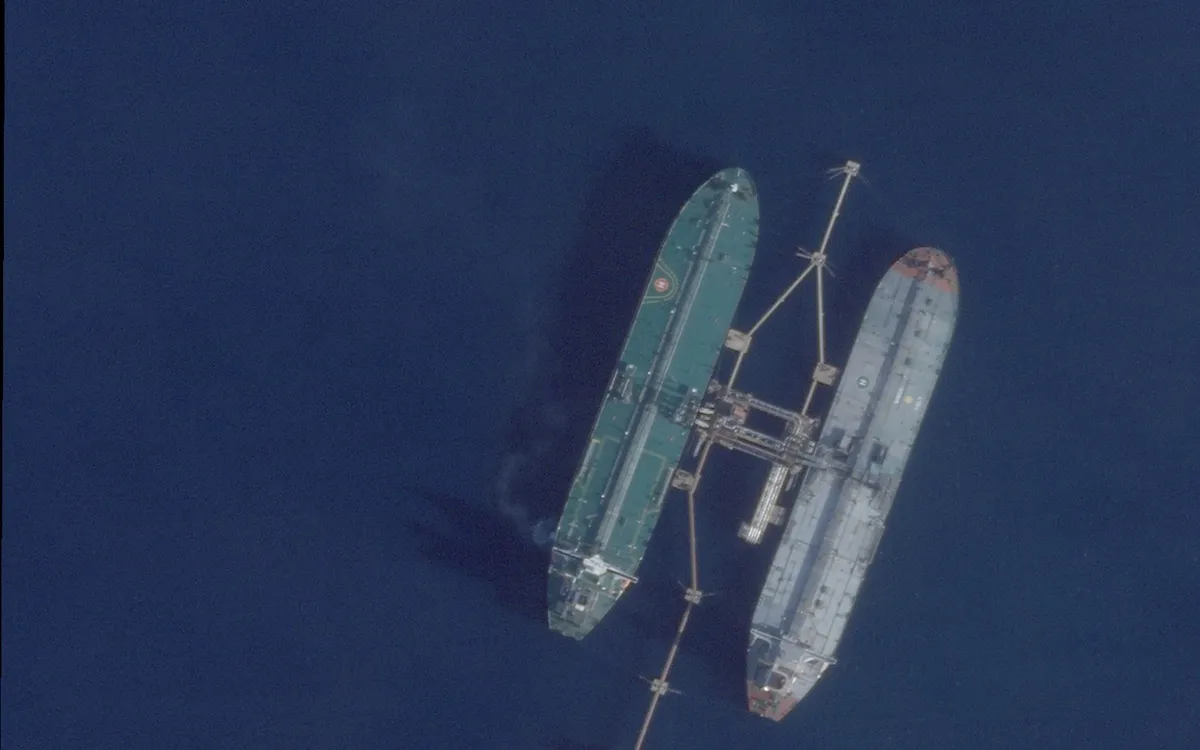
In a significant shift in U.S. foreign policy, President Donald Trump announced on Tuesday a “total and complete blockade” targeting all sanctioned oil tankers that enter or leave Venezuela. This action marks a dramatic escalation in the ongoing pressure campaign against the government of President Nicolás Maduro, which has been under scrutiny for its controversial policies and human rights violations.
The blockade comes as part of Trump's broader strategy to curb the influence of the Maduro regime, which the U.S. government has labeled as illegitimate. By implementing this blockade, the Trump administration aims to further restrict the flow of oil—a critical revenue source for the Venezuelan economy. This move is expected to intensify the economic strain on Maduro's government, already grappling with hyperinflation and severe shortages of basic goods.
The Venezuelan economy, heavily reliant on oil exports, stands to be severely impacted by this blockade. As the U.S. tightens its grip on the oil trade, Venezuela may face exacerbated economic challenges, pushing the country closer to a humanitarian crisis. The blockade signals the U.S.'s commitment to supporting the opposition and advocating for democratic reforms in the region.
The international community is closely monitoring the situation, as the U.S. blockade may provoke reactions from other nations that continue to engage with Venezuela. Countries that have historically supported Maduro may view this action as an infringement on national sovereignty, potentially leading to diplomatic tensions.
As the situation develops, the implications of President Trump's blockade on Venezuela's oil tankers will unfold, impacting both the regional landscape and U.S.-Latin America relations. The U.S. government's ongoing commitment to pressure the Maduro regime raises critical questions about the future of Venezuela and its people, as well as the effectiveness of sanctions in achieving democratic change.