

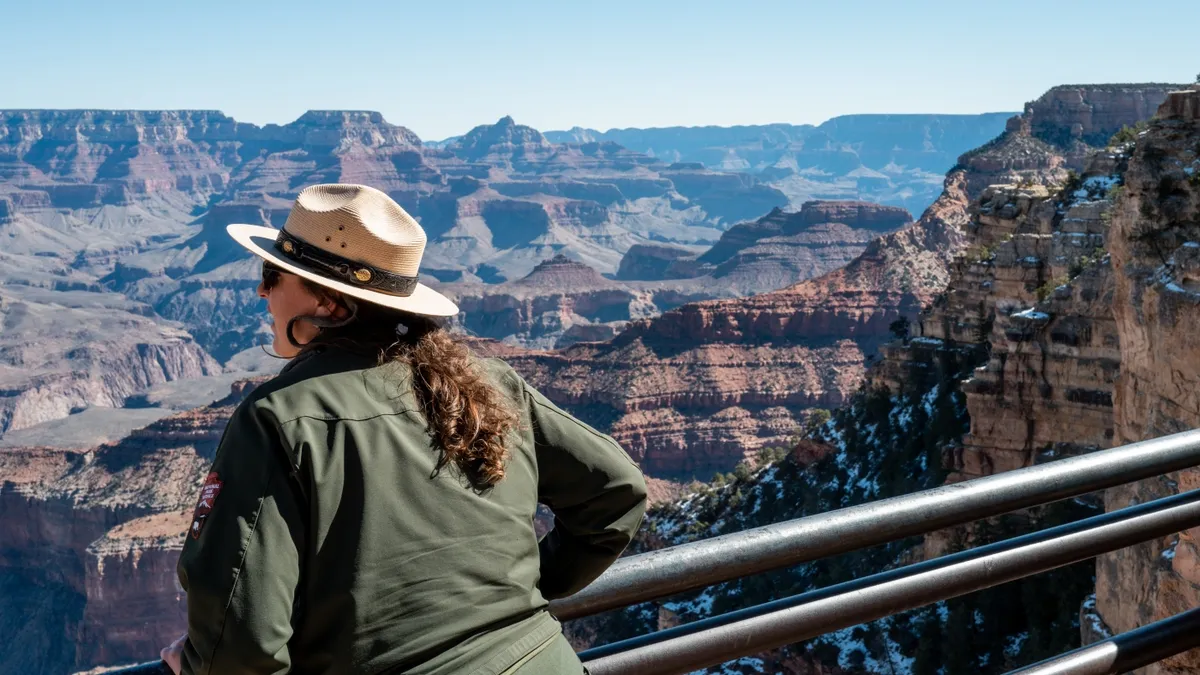
The Trump administration has made significant alterations to the calendar of entrance fee-free days for national parks, with the removal of Martin Luther King Jr. Day and Juneteenth from the list. Instead, the administration has added President Trump's birthday, which falls on June 14 and coincides with Flag Day, according to the National Park Service (NPS). This decision reflects the administration's ongoing resistance to addressing the nation's complex and often troubling racist history on federal lands.
The revised calendar of fee-free days now includes the 110th anniversary of the NPS on August 25, Constitution Day on September 17, and Teddy Roosevelt's birthday on October 27. These changes will take effect starting January 1 of the coming year. It's important to note that non-U.S. residents will still need to pay entrance fees on these specific dates under the new America-first pricing policy.
For 11 of the most popular national parks across the country, international visitors will face an additional charge of $100 on top of the standard entrance fee. Furthermore, the annual pass for non-residents will increase to $250, while residents will pay $80 for their annual pass. This decision follows a July executive order from the White House aimed at raising fees for non-American visitors, thereby granting citizens and residents preferential treatment regarding recreational access, including permitting and lottery rules.
The Department of the Interior, which oversees the NPS, has branded the newly established fee-exempted dates as "patriotic fee-free days." In their announcement, they emphasized that these changes are part of Trump's commitment to making national parks more accessible, affordable, and efficient for the American people. However, the Department did not provide an immediate response to NPR's request for further comments.
In a statement regarding the changes, Secretary of the Interior Doug Burgum noted that these policies are designed to protect U.S. taxpayers, who already contribute to the support of the National Park System. He asserted that the new measures ensure that American citizens can continue to enjoy affordable access to national parks while requiring international visitors to contribute their fair share toward the maintenance and enhancement of these treasured landscapes for future generations.