

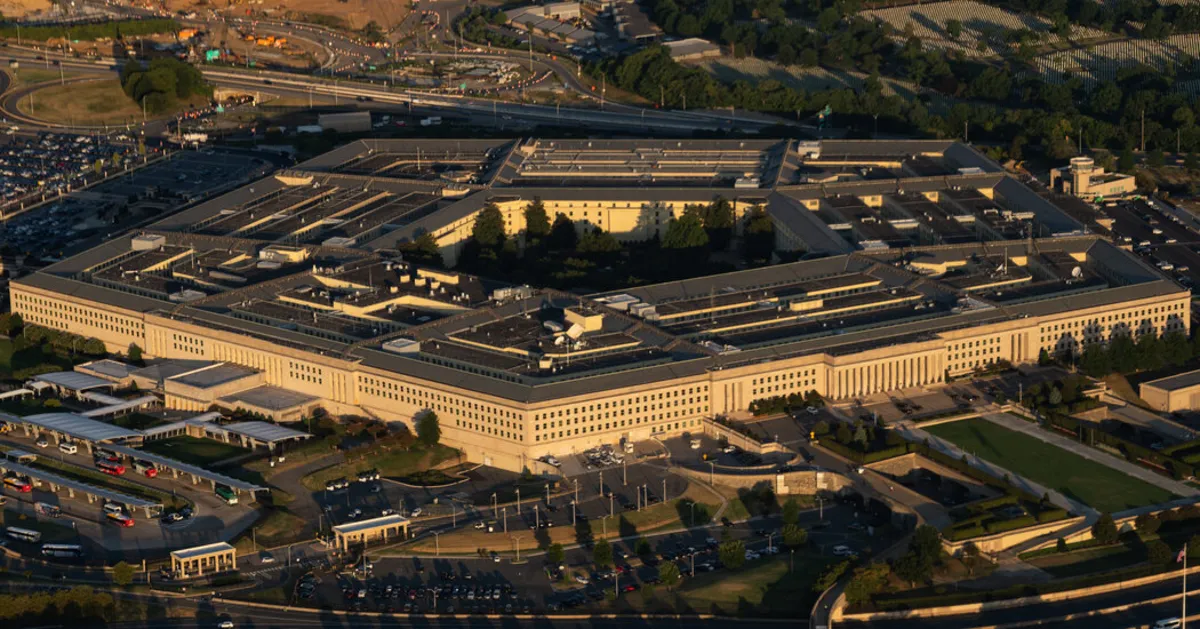
The New York Times has announced its intention to file a lawsuit against the Pentagon, contending that recent restrictions imposed by the Defense Department violate the constitutional rights of its journalists. The newspaper argues that these new regulations represent a significant infringement on press freedoms, specifically targeting the ability of journalists to report on military activities effectively.
According to a summary of the impending lawsuit, the Pentagon policy is described as “exactly the type of speech- and press-restrictive scheme that the Supreme Court and D.C. Circuit have recognized violates the First Amendment.” This statement underscores the seriousness with which The Times views the implications of these new restrictions on journalistic practices.
The lawsuit is set to be filed on Thursday in U.S. District Court in Washington. The controversial Pentagon rules went into effect in October and mandate that reporters complete a lengthy 21-page form. This form imposes limits on various journalistic activities, including the solicitation of story tips and inquiries directed at sources. The breadth and complexity of these new guidelines represent a stark shift from previous policies, raising alarms about the potential stifling of independent journalism.
The Times' lawsuit summary indicates that the underlying goal of the Pentagon policy is “to close the doors of the Pentagon — those areas that have historically been open to the press.” This restriction threatens to hinder news organizations like The New York Times, which have a longstanding commitment to investigate and report on the actions of the Defense Department and its leadership without fear or favor.
In its legal action, The Times is seeking a court order to prevent the Pentagon from enforcing its new press policy. Additionally, the newspaper is requesting a declaration affirming that the provisions relating to the exercise of First Amendment rights are unlawful. The Times has expressed its commitment to “vigorously defend against the violation of these rights,” emphasizing its historical stance against any administrations that resist scrutiny and accountability.
This legal battle highlights the ongoing tension between governmental authority and press freedom, particularly concerning military transparency and accountability. As the situation develops, the implications for journalism and public access to information will be closely monitored by media advocates and the general public alike.