

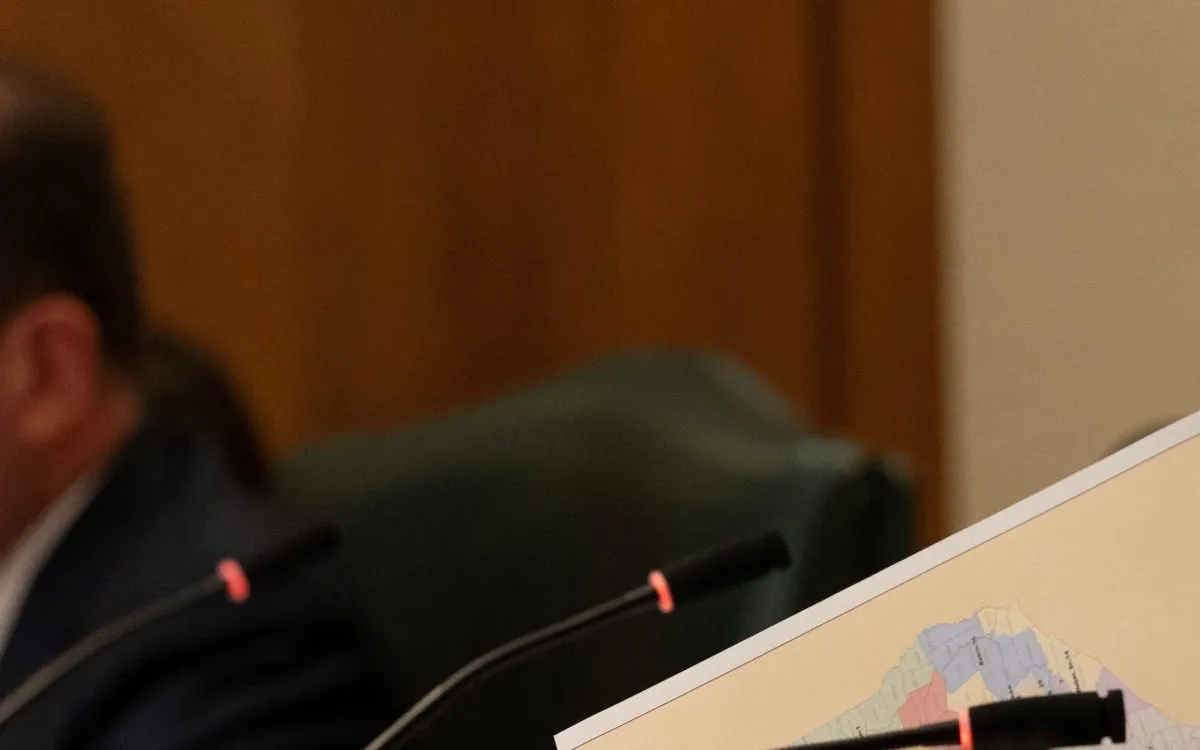
The U.S. Supreme Court has granted Texas the green light to utilize its newly drawn, GOP-friendly congressional map while a legal challenge is underway. This ruling temporarily halts a lower court's decision that had prohibited the map from taking effect. With the December 8 candidate filing deadline fast approaching, this Supreme Court decision is poised to impact the upcoming 2026 midterm elections in Texas significantly.
Justice Samuel Alito emphasized that it was “indisputable” that Texas’ motives behind the redistricting were “pure and simple” aimed at gaining partisan advantage. This aligns with previous court rulings which have deemed such motives permissible. Alito dismissed claims that Texas had engaged in racial gerrymandering, marking a significant victory for Republicans both in Texas and nationwide.
Former President Donald Trump had been a vocal advocate for Texas to redraw its congressional map over the summer, with hopes of adding five additional GOP seats to strengthen the party’s precarious majority in the U.S. House during the midterms. However, on November 18, two federal judges ruled against Texas, blocking the new map and suggesting evidence of racial gerrymandering in the redrawn lines.
Galveston District Judge Jeffrey Brown, a Trump appointee, wrote the opinion ordering Texas to revert to its 2021 map. In contrast, dissenting Judge Jerry Smith of the 5th U.S. Circuit Court of Appeals strongly opposed this decision. Texas subsequently petitioned the Supreme Court to overturn Judge Brown’s ruling, which could lead to a lengthy legal battle in the court system, especially if the justices opt to hear further arguments in Washington, D.C.
In a decisive move, the Supreme Court has temporarily paused Judge Brown’s ruling, allowing the state to implement the new map while the legal proceedings continue. The ruling articulated that the lower court had “improperly inserted itself into an active primary campaign, causing much confusion and upsetting the delicate federal-state balance in elections.”
The new map, which was approved by the Texas Legislature and signed by Gov. Greg Abbott in August, is designed to secure Republican control over 30 of the state’s 38 congressional districts, a significant increase from the 25 districts they currently hold under the 2021 map. This alteration has prompted a surge of Republican candidates eager to contest in these newly favorable districts, while several Democratic incumbents have found themselves in districts already occupied by other Democrats, forcing them to consider primaries or retirement.
Texas Attorney General Ken Paxton hailed the Supreme Court's decision as a triumph for Texas and conservatives, who he claims are weary of the left's attempts to disrupt the political landscape through what he termed “bogus lawsuits.” Meanwhile, Texas Democrats expressed their discontent with the ruling. Rep. Gene Wu, Chair of the House Democratic Caucus in Houston, criticized the high court for failing the people of Texas, suggesting that the ruling marks a regression in the protections afforded to minority communities under the Voting Rights Act.
In her dissent, Supreme Court Justice Elena Kagan condemned the court’s decision to overturn Brown’s comprehensive 160-page ruling, arguing that it disrespected the meticulous work undertaken by the District Court. Kagan noted that the order undermines the interests of millions of Texans who were reassigned to new districts based on race, highlighting the contentious nature of this ruling.