

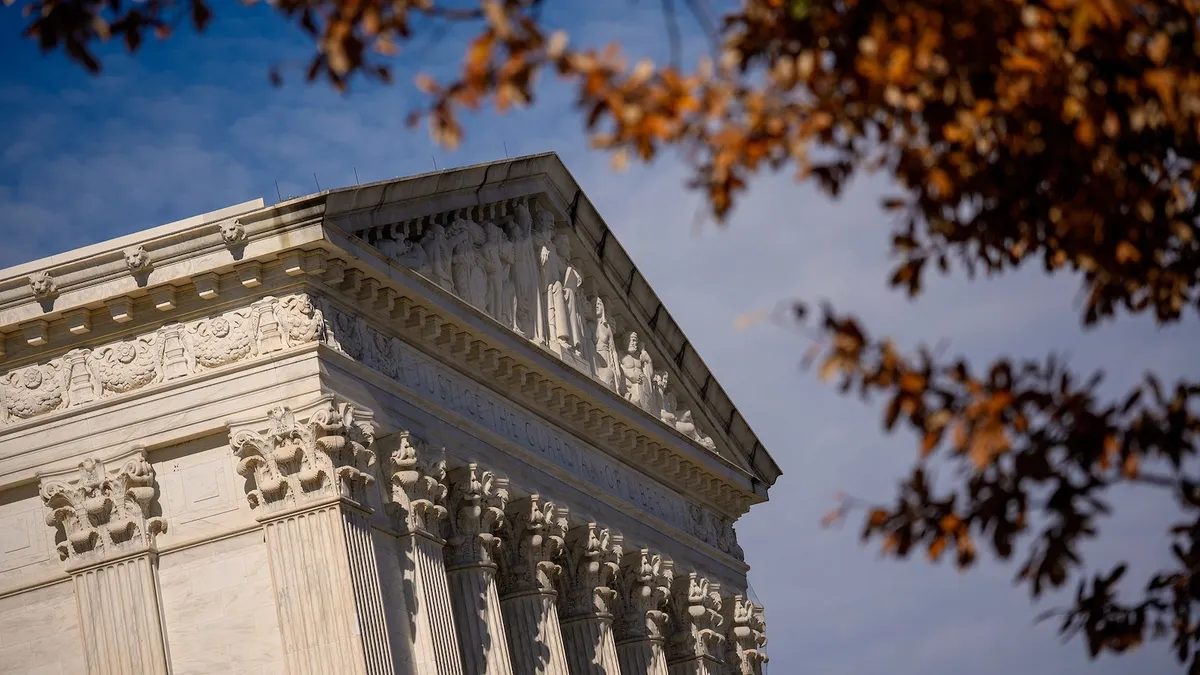
The Supreme Court announced on Friday that it will expedite the appeal concerning President Donald Trump's controversial case aimed at terminating birthright citizenship through an executive order. While the Supreme Court did not provide specific reasoning for its decision, the case is expected to be scheduled for oral arguments in the upcoming spring, with a ruling anticipated by the end of June.
This marks the second occasion that Trump's executive order will be presented to the Supreme Court. However, this time, the justices are poised to evaluate the order based on its merits. For more than a century, the legal interpretation of the U.S. Constitution has granted citizenship to individuals born on American soil, irrespective of their parents' legal status.
Upon beginning his second term, Trump enacted an executive order that sought to abolish the long-standing practice of granting birthright citizenship. This order aims to restrict citizenship exclusively to children born to parents who are either legal permanent residents or citizens of the United States. The implications of such a policy change could significantly alter the landscape of American citizenship.
In response to Trump's executive action, federal courts of appeals have intervened, blocking the order nationwide. These courts have deemed it unlawful upon initial review, indicating strong legal resistance against the proposed changes to birthright citizenship. The upcoming Supreme Court hearings will play a crucial role in determining the future of this contentious issue.
The Supreme Court's decision to fast-track this appeal underscores its importance in the ongoing national conversation about citizenship and immigration policy in the United States. Legal experts and political analysts will be closely monitoring the case, as the outcome could set a significant precedent for how citizenship is defined and granted in the country.